
Manufacturing Mobile App Development for Connected Factory Operations
Build manufacturing mobile applications that help your teams manage production, track inventory, perform quality inspections, coordinate maintenance, and access operational data. Square Infosoft develops mobile and web solutions for manufacturing businesses, with options for ERP and MES integration, industrial IoT connectivity, AI-powered features, and cloud-based workflows based on your requirements.
TRUSTED CLIENT’S
Trusted Mobile App Development Partner’s
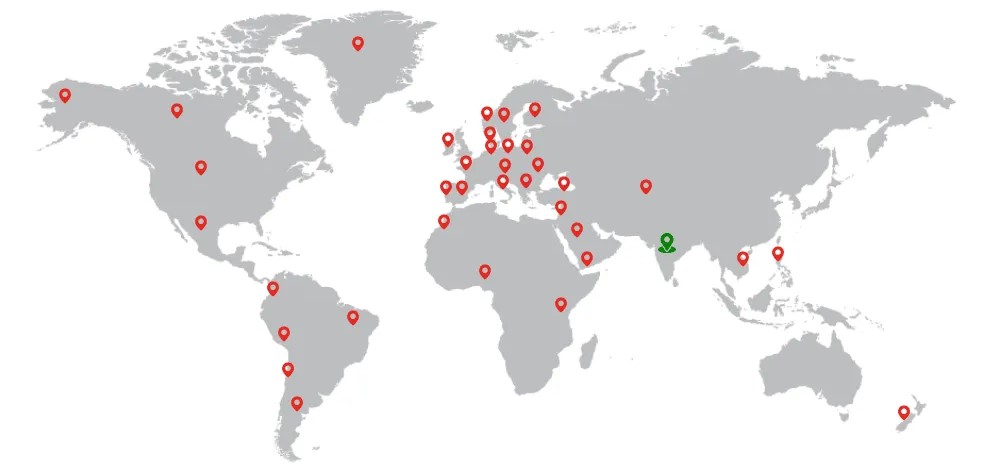
Trusted by high-growth companies across the globe









Projects Delivered
Happy Clients
Countries Served
Years of Experience
Manufacturing Business and Software Development Overview
Manufacturing businesses need reliable technology to coordinate production, manage inventory, maintain quality, and keep teams connected across daily operations. Square Infosoft develops manufacturing mobile applications and custom software solutions designed around business workflows, helping manufacturers improve operational visibility, digitize manual processes, and access relevant information across devices.
Our manufacturing app development services can include production tracking, inventory and warehouse management, quality inspection, maintenance workflows, workforce coordination, and integration with existing ERP and MES platforms. From mobile applications to web dashboards and AI-enabled features, we tailor the solution to your operational requirements, existing systems, and long-term business goals.

Challenges We Help Solve
Manufacturing Industry Challenges We Help Solve
Manufacturing businesses need connected systems to manage production, inventory, quality control, equipment maintenance, and factory-floor operations. When teams rely on spreadsheets, paper records, or disconnected business systems, it can become difficult to track production progress, coordinate employees, and access accurate operational data. Square Infosoft provides manufacturing mobile app development and manufacturing software development services to help businesses digitize workflows, connect existing systems, and build applications around their operational requirements.
Limited Production Tracking and Monitoring
Without timely production updates, managers may struggle to compare actual output with production targets. We develop production tracking apps for manufacturing that help authorized teams record output, monitor work orders, and review production status through mobile applications and dashboards.
Manufacturing Inventory Management Difficulties
Unclear stock levels and delayed material updates can affect production planning and order fulfillment. We develop inventory management apps for manufacturing companies to support stock tracking, material movement, warehouse operations, and access to inventory information.
Equipment Downtime and Maintenance Delays
When maintenance requests and equipment records are scattered across different systems, teams may find it difficult to coordinate service activities. Our equipment maintenance software and mobile maintenance applications can support work orders, maintenance schedules, inspection records, and technician updates.
Workforce Coordination Challenges
Supervisors need clear visibility into assigned work, shift activities, and task completion. A mobile app for factory workers and manufacturing teams can provide access to work instructions, task updates, shift information, and operational notifications.
Supply Chain and Material Coordination Issues
Manufacturers need visibility into material availability, supplier updates, warehouse movements, and dispatch status. Manufacturing supply chain management software and connected mobile applications can help teams coordinate these activities using information from supported business systems.
Legacy Manufacturing Software and Integration Limitations
Older applications may not support changing workflows, modern devices, or new integration requirements. Our manufacturing software modernization and application development services can help businesses extend existing systems, improve user experiences, and introduce new capabilities based on technical feasibility.
Manual Data Entry and Paper-Based Workflows
Paper-based production reports, inspection forms, and approval processes can create repetitive work and delays. Our manufacturing mobile app development services can digitize factory-floor data collection, digital forms, task assignments, and approval workflows.
Quality Control and Inspection Gaps
Manual quality records can make it harder to document defects and review inspection history. A manufacturing quality inspection app can help teams complete digital checklists, record measurements, attach photos, and maintain inspection records throughout defined production stages.
Disconnected ERP and MES Systems
Manufacturing businesses may use separate systems for enterprise resource planning, production execution, inventory, and reporting. We develop manufacturing apps with ERP and MES integration where suitable APIs or other supported integration methods are available, helping authorized users access relevant information through connected workflows.
Delayed Production Reports and Operational Insights
Manually compiling reports can slow access to production and performance information. Manufacturing dashboards and reporting applications can bring relevant production, inventory, quality, and maintenance data into a more accessible view for managers.
Limited Factory-Floor Access to Business Systems
Employees working on production floors may not have convenient access to desktop-based software. We build mobile applications for manufacturing operations that provide authorized staff with access to work orders, inventory records, quality checklists, and other relevant information from supported devices.
Growing Manufacturing Operations and Technology Requirements
As businesses add production lines, facilities, employees, or operational workflows, their applications may need to evolve. We develop scalable custom manufacturing applications that can support additional features, users, locations, and integrations as business requirements change.
Let's Discuss Your Manufacturing App Development Requirements
Looking to digitize factory operations, improve production tracking, streamline inventory management, or connect existing business systems? Square Infosoft can help you plan a manufacturing mobile app or custom manufacturing software solution around your workflows, integration needs, and business goals.
CORE SERVICES
Our Manufacturing Mobile App Development Services We Provide
Square Infosoft provides manufacturing mobile app development services to help businesses digitize factory-floor operations, connect production workflows, and manage operational data through mobile and web applications. Our manufacturing app development and manufacturing software development services can support production management, inventory tracking, quality control, equipment maintenance, workforce coordination, and integration with existing business systems.
Whether you need a mobile app for factory workers, a production monitoring dashboard, custom manufacturing software, or an AI-enabled application, we can develop a solution around your workflows, technical requirements, and business objectives.
Manufacturing Production Management App Development
Manage production activities, work orders, production schedules, and manufacturing progress through a connected application. We develop production management apps for manufacturing that help authorized users record output, monitor task completion, review production status, and access operational information.
These manufacturing applications can support production planning, work-order management, shift reporting, and production monitoring dashboards based on your workflows and available data.
Manufacturing Inventory Management App Development
Track raw materials, components, work-in-progress items, and finished goods through inventory management app development for manufacturing companies. Mobile inventory applications can support stock updates, material movements, barcode or QR code scanning, stock verification, and inventory reporting.
We can also develop manufacturing inventory software that connects with warehouse and ERP systems where suitable integration methods are available.
Warehouse Management App Development for Manufacturing
Coordinate warehouse activities with warehouse management app development for manufacturing businesses. Applications can support goods receiving, put-away, picking, packing, stock transfers, dispatch preparation, and warehouse task assignments.
Features such as barcode scanning, location-based stock records, and warehouse dashboards can help teams manage material movements and access inventory information across supported devices.
Manufacturing Quality Control and Inspection App Development
Digitize quality checks through a manufacturing quality inspection app designed around your inspection procedures. We develop applications that can support digital checklists, inspection measurements, defect records, photo attachments, approval workflows, and non-conformance reporting.
These quality control applications can help manufacturing teams document inspections, review quality records, and coordinate corrective-action workflows according to established business processes.
Equipment Maintenance and Asset Management App Development
Manage equipment records, maintenance requests, service schedules, and work orders through manufacturing maintenance management app development. Mobile maintenance applications can give authorized technicians and supervisors access to equipment information, assigned tasks, inspection records, and maintenance history.
Depending on the requirements, the solution can include preventive maintenance scheduling, spare-parts tracking, asset management, breakdown reporting, and integration with an existing computerized maintenance management system (CMMS).
Manufacturing Workforce and Employee Management App Development
Connect factory workers, supervisors, and operations managers through a mobile app for manufacturing workforce management. We can develop applications for task assignments, shift schedules, attendance workflows, work instructions, employee notifications, and progress updates.
Manufacturing workforce management software can also connect relevant employee and operational records with existing HR or ERP systems where required.
Manufacturing ERP and MES Integration App Development
Connect mobile applications with existing enterprise resource planning (ERP) and manufacturing execution systems (MES) to support connected production workflows. Our manufacturing app development services with ERP and MES integration can provide mobile access to relevant work orders, inventory records, production updates, and operational data.
Integration scope depends on the existing software, available APIs, data access, security requirements, and factory infrastructure. The objective is to build connected applications without assuming that every business needs to replace its existing systems.
Manufacturing Supply Chain and Procurement App Development
Improve coordination across materials, suppliers, purchasing, and dispatch through manufacturing supply chain management app development. Applications can support purchase-order visibility, supplier information, material availability, goods receipt, dispatch updates, and procurement approval workflows.
Where required, manufacturing supply chain software can connect with inventory, warehouse, ERP, and reporting systems to provide relevant information to authorized users.
Industrial IoT and Smart Factory App Development
Build connected manufacturing applications that use industrial equipment and sensor data to support operational visibility. Our industrial IoT app development for manufacturing can include equipment monitoring dashboards, sensor-data visualization, machine-status reporting, alerts, and connected operational workflows.
Depending on the environment, integration may involve IoT platforms, gateways, industrial protocols, PLCs, or SCADA systems. The final architecture depends on equipment compatibility, connectivity, security, and data-access requirements.
Manufacturing Analytics and Reporting App Development
Bring production, inventory, quality, maintenance, and operational information into accessible dashboards through manufacturing analytics app development. We can develop reporting applications that help managers review production output, operational trends, inventory movements, quality records, and other available business metrics.
Manufacturing dashboards and business intelligence solutions can include configurable reports, role-based access, visualizations, and integration with existing data sources.
AI-Powered Manufacturing App Development
Add artificial intelligence to manufacturing applications where it supports a defined business use case. Our AI-powered manufacturing app development can include predictive maintenance, computer-vision-assisted quality inspection, demand forecasting, anomaly detection, AI-powered reporting, and workflow automation.
We can also evaluate AI integration for manufacturing software, machine learning models, and generative AI features based on data availability, technical feasibility, and operational requirements. AI capabilities should be validated against the intended use case before deployment.
Custom Manufacturing Software Development and App Modernization
Develop new applications or extend existing systems through custom manufacturing software development. We can build mobile applications, web applications, backend systems, operational dashboards, and API integrations around specific manufacturing workflows.
For businesses using legacy manufacturing applications, our manufacturing software modernization services can support interface improvements, new features, system integration, platform migration, and application maintenance based on the existing architecture and project scope.
Manufacturing App Development Tailored to Your Operations
Need a production tracking app, manufacturing inventory management software, ERP/MES integration, industrial IoT application, or AI-powered manufacturing solution? Square Infosoft provides manufacturing mobile app development and custom software development tailored to your factory workflows, existing systems, and business requirements.
RESULTS AND CASE STUDIES
Our Software Development Success Stories Across Digital Products
Explore our software development projects to understand how tailored mobile applications and custom software solutions address business requirements. Our portfolio highlights relevant capabilities in manufacturing app development, production tracking, inventory management, workflow automation, and ERP/MES integration, where applicable. Each case study can showcase the project’s challenges, implemented solution, technologies, and measurable outcomes to help you understand our development approach.



What Our Clients Say
What Our Clients Say About Working With Us



Kreg Thornley
Marketing Director, Alchemy Spetec Tucker, Georgia, United States
James Guttman
San Francisco, California, United StatesBusiness Types We Serve
Manufacturing App Development for Businesses
Different manufacturing industries have different production processes, inventory requirements, quality standards, and operational workflows. Square Infosoft provides manufacturing mobile app development and manufacturing software development tailored to these business needs, from factory-floor applications and production tracking to inventory management, system integration, and AI-powered solutions.
Automotive and Auto Components Manufacturing
Develop automotive manufacturing apps for vehicle manufacturers, auto-parts suppliers, and component manufacturers. Support production tracking, assembly workflows, parts inventory, quality inspections, supplier coordination, and ERP/MES integration.
Electronics and Semiconductor Manufacturing
Build electronics manufacturing software and mobile applications for electronic component producers, circuit board manufacturers, and semiconductor businesses. Applications can support component traceability, production-line monitoring, defect reporting, inventory tracking, and quality inspection workflows.
Food and Beverage Manufacturing
Develop food and beverage manufacturing apps for food processors, beverage producers, dairy businesses, and packaged-food manufacturers. Digitize batch tracking, raw material inventory, production records, quality checks, expiry monitoring, and warehouse operations.
Pharmaceutical and Biotechnology Manufacturing
Create pharmaceutical manufacturing software and mobile applications for pharmaceutical producers, biotechnology businesses, and contract drug manufacturers. Solutions can support batch production records, quality documentation, inventory traceability, equipment maintenance, and controlled approval workflows, subject to applicable regulatory and validation requirements.
Textile and Apparel Manufacturing
Build textile manufacturing apps and garment production software for textile mills, fabric manufacturers, garment factories, and apparel producers. Manage fabric inventory, production orders, cutting and stitching workflows, quality checks, job tracking, and dispatch coordination.
Chemical and Petrochemical Manufacturing
Develop chemical manufacturing software solutions for chemical producers, specialty chemical companies, and petrochemical businesses. Applications can support batch records, material inventory, production monitoring, inspection workflows, safety documentation, and integration with existing process systems.
Packaging and Printing Manufacturing
Build packaging manufacturing apps and printing production software for flexible packaging companies, carton manufacturers, label printers, and commercial printing businesses. Support job orders, production scheduling, material consumption, quality checks, waste tracking, and order status monitoring.
Metal, Steel and Fabrication Manufacturing
Develop metal fabrication software and steel manufacturing applications for metal processors, steel manufacturers, machine shops, and fabrication businesses. Digitize work orders, material tracking, fabrication stages, inspection records, production reporting, and delivery coordination.
Industrial Machinery and Equipment Manufacturing
Create industrial machinery manufacturing software for equipment manufacturers, engineering companies, and industrial component producers. Manage assembly workflows, bills of materials, work orders, spare parts, equipment testing, maintenance records, and service coordination.
Medical Device Manufacturing
Build medical device manufacturing applications for medical equipment producers, diagnostic device manufacturers, and specialized healthcare product businesses. Support component traceability, quality inspections, production documentation, equipment records, and controlled workflows designed around applicable quality and regulatory requirements.
Aerospace and Defense Manufacturing
Develop aerospace manufacturing software and mobile applications for aircraft component manufacturers, aerospace suppliers, and defense equipment producers. Applications can support serialized component records, production-stage tracking, inspection documentation, maintenance records, and controlled access to operational information.
Plastics and Rubber Manufacturing
Build plastics manufacturing apps and rubber production software for moulding companies, polymer processors, tyre component suppliers, and rubber product manufacturers. Manage production batches, moulding workflows, raw material usage, machine status, defect records, and finished-goods inventory.
Cement, Ceramics and Building Materials Manufacturing
Develop building materials manufacturing software for cement producers, ceramic manufacturers, tile factories, and related industrial businesses. Applications can support batch production, equipment monitoring, quality testing, stock management, packaging, and dispatch tracking.
Paper, Pulp and Wood Products Manufacturing
Create paper manufacturing apps and wood-processing software for paper mills, pulp producers, furniture-component manufacturers, and wood-product businesses. Digitize production stages, material consumption, inventory records, quality checks, equipment maintenance, and warehouse coordination.
Consumer Goods and FMCG Manufacturing
Build consumer goods manufacturing software for manufacturers of household products, personal care items, packaged goods, appliances, and other consumer products. Support production planning, inventory management, packaging workflows, quality checks, order fulfilment, and business reporting.
Contract and Custom Manufacturing
Develop custom manufacturing software and mobile applications for contract manufacturers, job-work businesses, OEM suppliers, and manufacturers producing goods to customer specifications. Manage customer-specific work orders, production progress, material allocation, job costing, quality records, and delivery status.
Looking for Manufacturing Software Tailored to Your Industry?
Whether you manufacture automotive components, textiles, electronics, food products, machinery, or industrial materials, Square Infosoft can help you plan a manufacturing mobile app or custom manufacturing software solution around your production workflows, inventory needs, and integration requirements.
Solutions
Manufacturing App Development Solutions for Your Business
Manufacturing businesses need connected software to manage production, inventory, quality, equipment, employees, and supply chain activities. Square Infosoft develops manufacturing mobile applications, custom manufacturing software, and web-based business solutions that help manufacturers digitize operational workflows and connect teams with the information they need.
Our manufacturing software solutions can include mobile apps for factory workers, production management systems, inventory and warehouse applications, quality inspection tools, equipment maintenance software, supplier portals, and manufacturing dashboards. We can also integrate applications with existing ERP, MES, CRM, and other business systems based on the project’s technical requirements.
Production Planning and Shop-Floor Management
Manage production activities through manufacturing mobile apps and production management software designed around your factory workflows. Give authorized employees and supervisors access to work orders, production schedules, job status, and operational updates.
Production management solutions can support:
-
Production planning and work order management
-
Job assignment and production status tracking
-
Shift-wise production records
-
Work-in-progress tracking
-
Production target and actual output monitoring
-
Material requirements and consumption records
-
Bottleneck and delay reporting
-
Supervisor approvals and operational updates
A production management app can help teams record shop-floor activity more consistently and give managers better visibility into production progress.
Manufacturing Inventory and Raw Material Management
Track raw materials, components, work-in-progress stock, and finished goods through manufacturing inventory management software and mobile inventory applications.
Depending on the requirements, inventory solutions can include:
-
Raw material and component tracking
-
Stock level monitoring
-
Goods receipt and material issue records
-
Stock transfers between locations
-
Batch, lot, or serial number tracking
-
Barcode and QR code scanning
-
Stock adjustment workflows
-
Reorder alerts and material availability checks
-
Finished goods inventory
-
Inventory reports and stock movement history
A manufacturing inventory management app can connect warehouse activities with purchasing and production workflows, subject to the available data and integrations.
Warehouse Management and Material Movement
Manufacturing warehouses need accurate records of incoming materials, storage locations, picking, movement, and dispatch. We develop warehouse management apps for manufacturing companies to help warehouse staff record these activities through mobile devices and web interfaces.
Warehouse management solutions can support:
-
Goods receipt and put-away
-
Bin and storage location management
-
Material picking and issuing
-
Warehouse transfers
-
Barcode or QR-based stock identification
-
Cycle counting and physical stock verification
-
Finished goods handling
-
Dispatch preparation
-
Multi-warehouse inventory visibility
-
Warehouse activity reports
These applications can be connected with manufacturing inventory systems or ERP platforms where suitable interfaces and APIs are available.
Manufacturing Quality Control and Inspection
Digitize inspection processes with a manufacturing quality control app that allows authorized staff to record checks, document defects, and track inspection status.
Quality management and inspection applications can include:
-
Incoming material inspection
-
In-process quality checks
-
Finished product inspection
-
Digital inspection checklists
-
Defect recording and photo attachments
-
Non-conformance reporting
-
Corrective action tracking
-
Inspection approvals
-
Batch and product traceability records
-
Quality reports and inspection history
For manufacturers operating under specific quality standards or regulatory requirements, workflows, records, access controls, and validation activities should be defined according to the applicable requirements.
Equipment Maintenance and Asset Management
Keep equipment records, maintenance schedules, service requests, and breakdown reports organized through equipment maintenance software and mobile maintenance applications.
These solutions can help maintenance teams manage:
-
Equipment and asset registers
-
Preventive maintenance schedules
-
Maintenance work orders
-
Breakdown and repair requests
-
Equipment service history
-
Spare parts usage
-
Maintenance task assignment
-
Technician updates and completion records
-
Downtime logs
-
Maintenance reports and notifications
Where compatible equipment data and connectivity are available, the application can also connect with machine monitoring systems. Predictive maintenance and other AI-based capabilities can be covered in the dedicated AI solutions section.
Manufacturing Workforce and Employee Management
Help production supervisors coordinate employees, shifts, tasks, and daily factory activities through manufacturing workforce management apps.
Depending on the business requirements, workforce applications can support:
-
Employee and team records
-
Shift schedules and task assignments
-
Attendance and timesheet workflows
-
Work order allocation
-
Task status updates
-
Production activity records
-
Internal announcements
-
Leave and shift-change requests
-
Supervisor approvals
-
Workforce activity reports
Role-based access can help employees, supervisors, plant managers, and administrators access the functions relevant to their responsibilities.
Manufacturing ERP and MES Integration
Connect manufacturing mobile applications with existing enterprise systems to reduce disconnected workflows and duplicate data entry. Square Infosoft can develop manufacturing apps with ERP and MES integration based on the interfaces, APIs, and data structures supported by the existing systems.
Integration requirements may include:
-
Production orders and work order status
-
Material availability and inventory records
-
Bill of Materials (BOM) data
-
Goods receipt and material consumption
-
Quality inspection records
-
Equipment and maintenance information
-
Purchase orders and supplier records
-
Finished goods and dispatch data
-
Operational dashboards and reports
Depending on the existing architecture, integration may involve APIs, middleware, database interfaces, or other supported connection methods. The scope should be confirmed after reviewing the current ERP, MES, and related systems.
Manufacturing Supply Chain and Procurement Management
Coordinate purchasing, suppliers, material availability, and order status through manufacturing supply chain management software and procurement applications.
Supply chain solutions can include:
-
Supplier and vendor management
-
Purchase requisitions
-
Purchase order workflows
-
Supplier order status
-
Material requirement tracking
-
Delivery schedule management
-
Goods receipt coordination
-
Vendor document management
-
Procurement approvals
-
Supplier performance reports
Supplier portals can also allow approved vendors to access relevant purchase orders, delivery information, and documents through a centralized interface.
Industrial IoT and Machine Monitoring Applications
Manufacturers with connected equipment may need applications that display machine data alongside production and maintenance information. We develop industrial IoT applications and machine monitoring dashboards based on available equipment connectivity and data sources.
Possible capabilities include:
-
Machine status dashboards
-
Equipment operating data
-
Production line monitoring
-
Machine downtime records
-
Sensor data visualization
-
Equipment alerts and notifications
-
Historical machine data
-
Production and equipment reports
-
Multi-machine and multi-site views
-
Integration with supported industrial systems
Industrial IoT connectivity depends on the equipment, sensors, gateways, communication protocols, network conditions, and existing plant infrastructure. These requirements should be assessed before defining the solution architecture.
Manufacturing Analytics and Reporting Dashboards
Bring operational information together through manufacturing dashboards and reporting applications that help teams review production activity, inventory movement, quality records, and maintenance operations.
Reporting solutions can include:
-
Production output reports
-
Planned versus actual production
-
Work order status
-
Inventory and material movement reports
-
Quality inspection summaries
-
Defect and rejection records
-
Machine downtime reports
-
Maintenance activity reports
-
Workforce activity summaries
-
Multi-location operational dashboards
Reports and dashboards can be designed for different user roles, with data drawn from connected applications and business systems where the necessary access is available.
Manufacturing Order, Dispatch and Supplier Portals
Improve coordination between manufacturing teams, customers, distributors, and suppliers with web portals and mobile-friendly applications.
Depending on the workflow, these solutions can support:
-
Customer order entry and status tracking
-
Order processing and approval
-
Product and order information
-
Dispatch planning and updates
-
Delivery documentation
-
Supplier communication
-
Request for quotation (RFQ) workflows
-
Invoice and document access
-
Customer or distributor account management
-
Notifications and order reports
These portals can be integrated with order management, inventory, ERP, or other systems where required and technically supported.
Custom Manufacturing Software and Application Modernization
Not every manufacturing business can fit its processes into a standard application. We develop custom manufacturing software around specific production methods, internal workflows, reporting needs, and existing technology.
Custom development and modernization projects can include:
-
Manufacturing mobile app development for iOS and Android
-
Cross-platform applications
-
Web applications and admin dashboards
-
Custom production and inventory modules
-
Internal workflow digitization
-
Legacy manufacturing software modernization
-
Third-party API integration
-
Existing application enhancements
-
Mobile app migration and rebuilds
-
Maintenance, testing, and ongoing improvements
For startups or manufacturers validating a new digital workflow, a focused manufacturing app MVP may be a practical starting point. No-code or low-code prototyping can also be evaluated for suitable, limited-scope use cases, while complex industrial integrations may require custom engineering.
Scalable Manufacturing Applications for Growing Operations
Manufacturing software should reflect the needs of the people using it, the systems already in place, and the way the business operates. Square Infosoft can combine manufacturing mobile app development, custom software development, system integration, web dashboards, and ongoing support into a solution aligned with your requirements.
Whether you need a production tracking app, inventory management system, quality inspection application, equipment maintenance software, supplier portal, or integrated manufacturing platform, we can help define the functionality and technical approach for your project.
AI Solution’s
AI Solutions for Manufacturing Mobile Apps and Software
Artificial intelligence can help manufacturers turn production, equipment, inventory, and quality data into useful operational insights. Square Infosoft provides AI Manufacturing App Development, AI Software Development, Machine Learning Development, Generative AI Development, and AI Integration to support manufacturers exploring intelligent factory applications and data-driven workflows.
Our AI App Developers, AI Application Developers, AI Engineers, AI/ML Developers, Machine Learning Developers, AI Full-Stack Developers, and AI Mobile App Developers can help integrate AI capabilities into manufacturing mobile apps, web applications, dashboards, and existing business systems.
Depending on your operational requirements, available data, and existing infrastructure, AI-powered manufacturing solutions can support the following use cases.
AI-Powered Production Planning and Optimization
Manufacturing teams need to balance production targets, material availability, machine capacity, workforce schedules, and delivery commitments. AI and machine learning can analyze historical production data and current operational signals to support production planning and decision-making.
AI-powered production planning solutions can support:
-
Production schedule analysis
-
Production demand and capacity forecasting
-
Work order prioritization
-
Bottleneck identification
-
Production delay analysis
-
Resource and material planning
-
Production performance analysis
-
Scenario analysis for planning decisions
An AI-powered manufacturing app can present relevant insights through mobile interfaces and web dashboards, helping supervisors review production conditions and make informed decisions. The usefulness of these insights depends on the quality, availability, and integration of production data.
AI Predictive Maintenance and Equipment Failure Analysis
Unexpected equipment failures can interrupt production and create maintenance challenges. AI predictive maintenance software uses suitable equipment telemetry, sensor readings, maintenance history, and operational data to identify patterns associated with possible equipment problems.
Our AI and Machine Learning development capabilities can support predictive maintenance applications with features such as:
-
Equipment condition monitoring
-
Machine anomaly detection
-
Failure risk analysis
-
Sensor data analysis
-
Maintenance priority recommendations
-
Equipment health dashboards
-
Maintenance alerts and notifications
-
Historical failure pattern analysis
-
Maintenance work order integration
-
Spare parts and service history access
A predictive maintenance mobile app can help maintenance teams review equipment alerts, access asset information, and coordinate inspections or repairs. Predictive models require relevant historical or real-time data and should be validated against actual operating conditions before being relied on for maintenance decisions.
AI-Powered Quality Inspection and Defect Detection
Manufacturers can use computer vision and machine learning to assist with quality inspection, identify visual anomalies, and classify potential product defects. These capabilities may be relevant to electronics, automotive components, packaging, metal fabrication, textiles, and other manufacturing environments with suitable inspection data.
An AI quality inspection app or AI-powered manufacturing quality control system can support:
-
Image-based product inspection
-
Surface defect detection
-
Missing component identification
-
Product and component classification
-
Visual anomaly detection
-
Inspection image storage
-
Defect categorization
-
Quality inspection reporting
-
Human review and approval workflows
-
Integration with existing quality systems
AI-powered quality inspection can assist inspectors by flagging potential issues for review. Camera placement, lighting, product variation, representative training data, and inspection requirements all affect the suitability of a computer vision solution.
AI Manufacturing Inventory and Demand Forecasting
Inventory shortages and excess stock can affect production schedules, purchasing, and warehouse operations. AI and machine learning can analyze historical consumption, production plans, order patterns, supplier information, and lead times to support forecasting and inventory decisions.
AI manufacturing inventory management solutions can include:
-
Raw material demand forecasting
-
Component consumption analysis
-
Inventory trend analysis
-
Stockout risk identification
-
Excess inventory detection
-
Reorder recommendations
-
Spare parts demand forecasting
-
Material requirement planning support
-
Supplier lead-time analysis
-
Inventory dashboards and alerts
An AI inventory management app for manufacturing can connect these insights with existing inventory or ERP systems where the required data and integrations are available. Forecasts should be evaluated against historical performance and updated as demand, supply, and production conditions change.
AI Supply Chain and Procurement Intelligence
Manufacturing supply chains depend on supplier performance, material availability, purchase orders, logistics, and changing demand. AI can help analyze these interconnected data sources to identify risks and support purchasing and planning decisions.
AI-powered supply chain management software can support:
-
Supplier delivery trend analysis
-
Procurement demand forecasting
-
Material shortage risk analysis
-
Supplier performance insights
-
Purchase order data analysis
-
Lead-time forecasting
-
Inventory and procurement planning
-
Supply disruption alerts
-
Supplier risk reporting
-
Supply chain scenario analysis
These capabilities can be integrated into manufacturing dashboards, procurement applications, and supplier portals. The scope depends on access to reliable supplier, order, inventory, and logistics data.
AI Analytics for Manufacturing Operations
Manufacturers often need to interpret data across production, quality, maintenance, inventory, and workforce operations. AI manufacturing analytics can help identify patterns, summarize operational information, and highlight areas that may need investigation.
AI-powered manufacturing dashboards can support:
-
Production performance analysis
-
Planned versus actual output analysis
-
Downtime trend identification
-
Quality defect pattern analysis
-
Scrap and rework trend analysis
-
Inventory movement insights
-
Maintenance performance summaries
-
Operational anomaly detection
-
Natural-language reporting
-
Data-driven decision support
An AI-enabled dashboard can help managers explore operational information without relying exclusively on manually prepared reports. Results depend on the completeness, consistency, and timeliness of the underlying data.
Generative AI Assistants for Manufacturing Teams
Manufacturing employees may need to find information across maintenance manuals, standard operating procedures, equipment records, work orders, technical documentation, and quality reports.
Generative AI app development for manufacturing can provide conversational assistants that help authorized employees search, summarize, and retrieve relevant information from approved business sources.
Possible capabilities include:
-
Natural-language search across technical documents
-
Maintenance manual and procedure lookup
-
Work order summaries
-
Equipment service history summaries
-
Quality report summaries
-
Troubleshooting knowledge retrieval
-
Standard operating procedure discovery
-
Internal manufacturing knowledge assistants
-
Multilingual employee assistance
-
AI-generated operational report drafts
A Generative AI Manufacturing App can combine large language models, retrieval-augmented generation (RAG), document search, access controls, and existing manufacturing APIs. Responses should be grounded in approved source material, with clear source references and human review for safety-critical or operational decisions.
AI Agents and Workflow Automation for Manufacturing
Beyond conversational assistants, AI agent development for manufacturing can support multi-step workflows that retrieve information from approved systems, analyze relevant records, and prepare actions for authorized employees.
Potential AI agent use cases include:
-
Maintenance information and work order assistance
-
Production report preparation
-
Inventory and procurement inquiry handling
-
Quality documentation assistance
-
Supplier information retrieval
-
Internal knowledge search
-
Manufacturing data analysis
-
Workflow routing and task preparation
-
Exception summaries and notifications
-
Cross-system information retrieval
For example, an AI agent could retrieve an equipment’s maintenance history, summarize recent issues, and prepare a maintenance request for review. Any actions that affect production, equipment, purchasing, or safety should follow appropriate permissions, validation rules, and approval workflows.
AI Computer Vision for Factory-Floor Monitoring
Computer vision uses image or video data to identify visual patterns and potential anomalies. In suitable manufacturing environments, it can support inspection and selected monitoring workflows using connected cameras or image capture devices.
AI computer vision solutions may include:
-
Product and component identification
-
Visual defect detection
-
Assembly verification
-
Packaging inspection
-
Label and marking verification
-
Object and material identification
-
Selected workplace safety observations
-
Visual anomaly alerts
-
Inspection result dashboards
-
Integration with quality management systems
A computer vision solution needs suitable cameras, lighting, data, and deployment conditions. Where processing must occur close to production equipment, edge computing may be considered alongside cloud-based AI, depending on latency, connectivity, and infrastructure requirements.
AI-Powered Manufacturing Mobile Apps
AI features can be integrated directly into mobile applications used by factory workers, supervisors, maintenance technicians, quality inspectors, and plant managers.
Our AI Mobile App Development services can support manufacturing mobile applications with capabilities such as:
-
AI-assisted production reporting
-
Equipment issue identification support
-
Maintenance knowledge assistants
-
AI-powered document search
-
Quality inspection assistance
-
Inventory and material insights
-
Personalized operational dashboards
-
Natural-language queries
-
AI-generated summaries
-
Notifications based on configured operational signals
Our AI Mobile Developers, Mobile AI Developers, AI App Developers, and AI + Mobile Developers can connect mobile applications with suitable AI services, backend systems, manufacturing databases, APIs, and cloud or edge infrastructure.
AI recommendations and alerts should be designed around the employee’s role, the data available, and the decisions the application is intended to support.
AI Integration With Existing Manufacturing Software
Manufacturers may already use ERP, MES, inventory, quality management, maintenance, and reporting systems. AI capabilities can sometimes be introduced into these environments without replacing the complete software ecosystem.
Our AI Integration and AI Integration Developer capabilities can support the connection of AI features with existing:
-
Manufacturing ERP systems
-
Manufacturing Execution Systems (MES)
-
Inventory and warehouse applications
-
Quality management systems
-
Equipment maintenance platforms
-
Industrial IoT data sources
-
Manufacturing dashboards
-
CRM and procurement systems
-
Document management platforms
-
Third-party APIs
The integration approach depends on supported APIs, data access, system architecture, security requirements, and the availability of reliable operational data.
AI MVP Development for Manufacturing Startups and Businesses
Manufacturers do not always need to introduce multiple AI capabilities at once. A focused AI Manufacturing MVP can help validate one operational use case before expanding into a larger AI-enabled platform.
Potential starting points include:
-
AI predictive maintenance MVP
-
AI quality inspection MVP
-
AI inventory forecasting MVP
-
AI manufacturing analytics MVP
-
Generative AI manufacturing assistant
-
AI-powered production reporting
-
AI document search application
-
AI-enabled manufacturing mobile app
-
AI integration with an existing ERP or MES
Square Infosoft can help scope an AI-powered manufacturing app or software MVP around the intended workflow, data availability, integration requirements, and evaluation criteria.
No-code and low-code platforms may be suitable for selected prototypes, internal tools, or limited-scope workflows. More complex manufacturing applications involving industrial equipment, custom machine learning, computer vision, security-sensitive integrations, or real-time processing may require custom development.
AI Technologies for Manufacturing Software Development
Depending on the use case, our AI Software Developers, AI Engineers, AI/ML Developers, Machine Learning Developers, Generative AI Developers, and AI Full-Stack Developers can work with suitable technologies and architectures, including:
-
Machine Learning and predictive analytics
-
Generative AI and large language models
-
Computer vision
-
Natural Language Processing (NLP)
-
Anomaly detection
-
Forecasting and optimization
-
Recommendation and decision-support systems
-
Retrieval-augmented generation (RAG)
-
AI agents and workflow automation
-
Data pipelines and API integration
-
Cloud-based and edge AI architectures
The technology stack should be selected according to the manufacturing use case, existing systems, data requirements, deployment environment, security needs, and expected operational workload.
Tech Stack
Technology Stack for Manufacturing App Development
Square Infosoft selects technologies based on your manufacturing application’s requirements, existing systems, integration needs, and expected scale. Our manufacturing mobile app development and software engineering capabilities can support mobile applications, web dashboards, backend systems, databases, cloud infrastructure, ERP/MES integration, industrial IoT connectivity, and AI-enabled features.
The final technology stack depends on the application’s functionality, the manufacturing environment, and the systems that need to work together.
We can use suitable mobile technologies to develop manufacturing applications for factory workers, production supervisors, maintenance technicians, quality inspectors, warehouse teams, and plant managers.
Cross-platform mobile app development for supported iOS and Android use cases.
Cross-platform mobile applications with shared code where appropriate.
iPhone and iPad applications using platform-specific technologies.
Android applications for smartphones, tablets, and compatible industrial devices.
The choice depends on device requirements, barcode or QR scanning, offline workflows, hardware access, user experience, and integration needs.
Web applications help manufacturing managers and administrators access production information, inventory records, quality reports, maintenance activities, and operational dashboards.
Depending on project requirements, the frontend may use:
These technologies can support manufacturing management portals, production monitoring dashboards, warehouse interfaces, supplier portals, quality management screens, and administrative applications.
Manufacturing applications often need to connect mobile and web interfaces with databases, enterprise systems, and shop-floor data sources. Backend technologies and APIs help coordinate business logic, authentication, data processing, and system communication.
Potential technologies include:
Backend architecture should reflect the application's data volume, integration complexity, security requirements, deployment environment, and operational needs.
Manufacturing applications may store production records, inventory movements, equipment information, inspection results, work orders, employee activity, and historical operational data.
Depending on the data model and application requirements, database options may include:
Database selection depends on transaction requirements, data relationships, reporting needs, retention policies, performance, and existing system compatibility.
Manufacturing software often needs to exchange information with enterprise resource planning (ERP), manufacturing execution systems (MES), product lifecycle management (PLM), warehouse management systems, and quality management platforms.
Our manufacturing app integration approach can include:
Integration requirements should be assessed against each system's API availability, access permissions, data structures, vendor restrictions, and operational constraints.
For smart factory and industrial IoT applications, the technology stack may need to connect equipment, sensors, gateways, machine data, and monitoring platforms.
Depending on the equipment and infrastructure, relevant technologies and protocols may include:
Not every machine supports the same connectivity methods. Device compatibility, network architecture, data access, latency requirements, and operational technology security should be assessed before selecting the integration approach.
Cloud and DevOps technologies can support application deployment, monitoring, updates, backups, and scaling across manufacturing locations.
Depending on the project's requirements, cloud platforms may include:
The implementation may include containerization, CI/CD pipelines, application monitoring, logging, backups, environment management, and infrastructure automation where appropriate.
Some manufacturing environments may require hybrid or on-premises deployment because of plant connectivity, latency, data governance, or operational continuity requirements.
For manufacturers exploring intelligent applications, AI and machine learning can be integrated into suitable workflows after assessing data availability and business objectives.
Potential AI technology areas include:
These technologies may support predictive maintenance, quality inspection, inventory forecasting, production analysis, and manufacturing knowledge assistants. AI capabilities should be selected and validated against the intended use case rather than added without a clear business requirement.
Manufacturing applications may handle operational records, employee information, supplier data, and access to connected business systems. Security and quality assurance should be considered throughout development.
Depending on the project, implementation can include:
The exact controls and validation requirements depend on the application's data, operating environment, connected systems, and applicable business or regulatory obligations.
DEVELOPMENT PROCESS
Our Manufacturing App Development Process
Developing manufacturing software requires an understanding of production workflows, factory-floor users, existing business systems, and operational requirements. Square Infosoft follows a structured manufacturing mobile app development process to define the scope, plan the architecture, develop the application, validate critical workflows, and prepare the solution for deployment.
Whether you need a production tracking app, manufacturing inventory management software, an ERP-integrated mobile application, or an AI-powered manufacturing solution, the development approach is planned around your business requirements and technical environment.
Step 1: Manufacturing Requirements Discovery
We begin by understanding your manufacturing operations, business objectives, user roles, and the problems the application needs to address.
This stage may include:
Outcome: A clearer scope for your manufacturing mobile app development project.
Step 2: Solution Planning and Technical Architecture
Once the requirements are understood, we plan the application structure and technical approach. This includes identifying the appropriate platforms, backend architecture, data model, integrations, and deployment environment.
Planning may cover:
Outcome: A technical direction aligned with your manufacturing workflows, existing systems, and expected application requirements.
Step 3: UI/UX Design for Manufacturing Applications
We design mobile and web interfaces around the needs of factory-floor employees, warehouse teams, maintenance technicians, quality inspectors, and manufacturing managers.
The design stage may include:
The design should account for the actual usage environment, including supported devices, screen sizes, connectivity, and the need for clear, efficient interactions.
Outcome: A defined user experience for the manufacturing app before full development begins.
Step 4: Manufacturing App Development and Integration
Our developers build the approved mobile applications, web interfaces, backend services, and required integrations in line with the agreed scope.
Development can include:
Development can be organized into manageable increments so stakeholders can review working features and provide feedback during the project.
Outcome: A functional manufacturing application developed around the agreed requirements.
Step 5: Quality Assurance and Manufacturing Workflow Testing
Manufacturing applications need to be validated against real business workflows, supported devices, integration dependencies, and operational conditions. Our QA process can include functional, integration, usability, performance, and security testing based on project requirements.
Testing may cover:
Outcome: A tested release candidate with identified issues addressed according to the agreed acceptance criteria.
Step 6: Deployment and Manufacturing App Launch
After testing and release approval, we prepare the application for its target environment. Deployment requirements vary depending on whether the solution is a public mobile app, internal enterprise application, web platform, or factory-floor system.
Deployment activities may include:
Where appropriate, a controlled pilot rollout can help validate the application with a selected group of users before broader deployment.
Outcome: A deployed manufacturing application prepared for use in the agreed environment.
Step 7: Ongoing Maintenance and Application Improvement
Manufacturing requirements can change as production processes, equipment, facilities, and connected systems evolve. Ongoing support can help maintain the application and extend its capabilities over time.
Maintenance and improvement work may include:
Outcome: A maintainable manufacturing software solution that can evolve with changing operational and business requirements.
WHY CHOOSE US
Why Choose Square Infosoft for Manufacturing App Development?
Manufacturing software needs to support real operational workflows, connect with existing business systems, and provide a reliable experience for employees and managers. Square Infosoft brings together mobile app development, custom software engineering, UI/UX design, backend development, API integration, AI development, and quality assurance to build solutions around your manufacturing requirements.
End-to-End Manufacturing App Development
Work with one development partner across the product lifecycle, from requirements discovery and UI/UX design to development, testing, deployment, and ongoing improvements.
Our capabilities can support manufacturing mobile apps, web applications, production dashboards, inventory management systems, ERP/MES integrations, and AI-enabled features within the agreed project scope.
Manufacturing Workflows at the Center
Every manufacturing business has its own production processes, material flows, quality checks, maintenance procedures, and workforce requirements. We plan manufacturing app functionality around the workflows your application needs to support.
This can include production tracking, inventory movement, quality inspection, equipment maintenance, warehouse operations, and supplier coordination.
Mobile, Web and Backend Development Expertise
Manufacturing teams may need different interfaces for factory workers, warehouse employees, supervisors, maintenance technicians, and business administrators.
Our mobile app, web development, backend, and full-stack capabilities can support role-appropriate interfaces, shared business data, administrative dashboards, and application workflows across supported devices.
Integration With Existing Manufacturing Systems
Replacing every existing business system is not always necessary when introducing a new manufacturing application. We can assess integration opportunities with ERP, MES, inventory management, warehouse systems, quality platforms, and third-party services.
The implementation depends on the systems involved, available APIs, data access, vendor restrictions, and integration requirements.
AI and Industrial IoT Capabilities
Where there is a clear business use case, manufacturing applications can incorporate AI and industrial IoT capabilities alongside standard mobile and software functionality.
Potential use cases include predictive maintenance, AI-assisted quality inspection, operational analytics, machine monitoring, inventory forecasting, and manufacturing knowledge assistants. These capabilities depend on suitable data, equipment connectivity, integration access, and validation.
Quality Assurance Across Critical Workflows
Testing is important when manufacturing applications manage production records, inventory movements, inspection results, maintenance requests, or integrations with business systems.
Our QA capabilities can cover functional testing, API and integration testing, mobile and web testing, regression testing, performance testing, and security testing based on the application’s requirements.
Scalable Architecture and Future Improvements
Manufacturing applications may need new features, additional facilities, more integrations, or new user roles as operations evolve. We can plan the application architecture around the expected requirements and provide development support for future enhancements.
Depending on the project, this may include new modules, application modernization, API integrations, cloud improvements, AI feature additions, and ongoing maintenance.
Transparent Development and Communication
Clear communication helps manufacturing stakeholders understand what is being developed, what needs review, and how project requirements are progressing.
Square Infosoft’s published development approach emphasizes project visibility, structured delivery, and communication throughout the development lifecycle. Project reporting, review schedules, tools, and delivery milestones should be agreed upon at the start of each engagement.
Solutions for Startups, Growing Manufacturers and Enterprises
Different businesses require different levels of functionality. A startup may need a focused manufacturing app MVP, while an established manufacturer may need custom manufacturing software, enterprise integrations, or modernization of an existing application.
We can help define the scope and technical approach according to your business goals, budget, operational needs, and current technology environment.
FAQ’s
Frequently Asked Questions About Manufacturing Mobile App Development
What is manufacturing mobile app development?
Manufacturing mobile app development involves building mobile applications that help manufacturers manage production, inventory, warehouse operations, quality inspections, equipment maintenance, and workforce activities. These apps can connect factory-floor teams with web dashboards, backend systems, and existing manufacturing software.
How much does it cost to develop a manufacturing mobile app?
The cost of manufacturing mobile app development depends on the application’s features, complexity, supported platforms, integrations, security requirements, and deployment environment. A focused production tracking app may require a different investment than an enterprise manufacturing platform with ERP/MES integration, industrial IoT connectivity, or AI capabilities. Square Infosoft can estimate the project after reviewing your requirements and defining the scope.
How long does it take to develop a manufacturing app?
The development timeline depends on the number of features, application complexity, UI/UX requirements, integration dependencies, testing needs, and deployment process. A focused manufacturing app MVP generally requires less work than a multi-module manufacturing platform. The timeline can be estimated after the requirements, technical architecture, and project scope are defined.
What features should a manufacturing mobile app include?
Features depend on the manufacturer’s workflows and business goals. Common options include production tracking, work order management, inventory tracking, barcode or QR code scanning, quality inspections, equipment maintenance, workforce coordination, notifications, reporting dashboards, and ERP/MES integration. AI-powered features can also be considered when they address a specific operational need.
Can a manufacturing mobile app integrate with our existing ERP or MES?
Yes, manufacturing mobile apps can be designed to integrate with existing ERP, MES, inventory management, warehouse, quality management, and maintenance systems. The integration approach depends on the systems involved, available APIs, data access, vendor restrictions, and security requirements. Square Infosoft can assess these dependencies to determine the appropriate integration architecture.
Can manufacturing apps work without an internet connection?
Yes, manufacturing mobile apps can be designed with offline functionality for selected workflows. Depending on the requirements, employees may be able to record inspections, update work orders, or capture inventory information offline and synchronize the data when connectivity returns. Offline access requires suitable local storage, synchronization rules, conflict handling, and security controls.
Can AI be integrated into manufacturing mobile apps?
Yes, AI can be integrated into manufacturing applications to support use cases such as predictive maintenance, visual defect detection, inventory forecasting, production analysis, and generative AI assistants. These capabilities may use machine learning, computer vision, or large language models, depending on the use case. Their suitability depends on available data, system integration, validation requirements, and the intended business outcome.
Can you develop manufacturing apps for both Android and iOS?
Yes, manufacturing mobile applications can be developed for Android, iOS, or both platforms. Cross-platform development may also be suitable when the required device features and workflows can be supported. Platform selection depends on the devices used by factory employees, hardware integrations, offline requirements, and the application’s functionality.
How do you protect manufacturing data in a mobile application?
Manufacturing app security can include authenticated access, role-based permissions, secure API communication, encryption, audit logging, protected local storage, and backup and recovery controls. The appropriate measures depend on the sensitivity of the data, connected systems, deployment environment, and applicable business or regulatory requirements. Security requirements should be defined and tested throughout development.
Can you build a custom manufacturing app for our specific production workflow?
Yes, custom manufacturing app development can be planned around your production processes, work orders, inventory flows, inspection procedures, maintenance activities, and reporting requirements. The application may include mobile interfaces, web dashboards, backend systems, and integrations with existing business software. The scope is defined according to your operational needs and technical environment.
Can you develop an AI-powered manufacturing app MVP?
Yes, an AI-powered manufacturing app MVP can focus on a specific use case, such as predictive maintenance, AI-assisted quality inspection, inventory forecasting, or a manufacturing knowledge assistant. The MVP scope should reflect the availability of suitable data, integration requirements, technical feasibility, and measurable evaluation criteria. Additional features can be planned after the initial solution is validated.
Do you provide manufacturing app maintenance and ongoing support?
Manufacturing app maintenance can include bug fixes, security updates, performance improvements, compatibility updates, API changes, new features, and application modernization. Support for ERP/MES integrations, cloud infrastructure, and AI capabilities can also be considered according to the agreed engagement scope.
How do we get started with a manufacturing software development project?
Start by identifying the manufacturing workflow you want to improve, the users who will use the application, and the systems it needs to connect with. Square Infosoft can then help define the initial scope, required features, technical approach, integrations, and development plan for your manufacturing mobile app or custom manufacturing software project.
Let’s Discuss Your Manufacturing Mobile App Development Project
Looking to build a manufacturing mobile app, modernize existing manufacturing software, or connect your factory operations with digital systems? Square Infosoft can help you plan a solution around your production workflows, inventory requirements, workforce needs, and integration goals.
Tell us about your project, and our team can review your requirements to understand the scope, technical needs, and potential development approach.

