Flutter App Development Services That Deliver Real Business Results
Flutter development for startups, businesses, and enterprises, with options for AI integration, rapid MVP development, full-stack applications, and cross-platform product development.
Build fast, scalable mobile applications for iOS and Android with Flutter. Our Flutter app development team helps startups, growing businesses, and enterprises turn product ideas into production-ready applications using a single Flutter codebase.
From Flutter MVP development and cross-platform apps to AI-powered Flutter applications, API integrations, app modernization, and ongoing support, we build products designed for real users, business growth, and long-term scalability.
Projects Delivered
Average rating
Years in Mobile App Development
Trusted by clients across the USA, UK, UAE, Australia, Canada and worldwide
TRUSTED CLIENT’S
We are Trusted flutter app development company by Businesses Worldwide
Helping startups, enterprises, and global brands leverage AI for growth, automation, and competitive advantage.








SERVICES OVERVIEW
Our Flutter App Development Services for Modern Digital Products
From a startup MVP to a scalable enterprise application, our Flutter development services cover the complete product lifecycle.
We build cross-platform applications for iOS, Android, web, and desktop, with capabilities spanning UI/UX, backend integration, AI features, app migration, modernization, testing, deployment, and ongoing support.
Whether you are starting a new product, adding AI to an existing application, or moving from separate native codebases to Flutter, our team can support the development journey from planning to production.
Flutter App Development
Build production-ready Flutter applications using a scalable architecture, responsive interfaces, and a single codebase for multiple platforms.
Cross-Platform iOS & Android Development
Develop and maintain iOS and Android applications from a shared Flutter codebase while supporting platform-specific functionality where required.
AI-Powered Flutter App Development
Add intelligent capabilities to Flutter applications, including AI search, recommendations, personalization, conversational experiences, predictive features, and AI-powered automation.
Generative AI & LLM Integration
Integrate LLM and Generative AI capabilities into Flutter applications for AI assistants, chatbots, content generation, intelligent search, copilots, and personalized experiences.
AI Agent Development for Flutter Apps
Build Flutter applications that connect with AI agents for customer support, workflow automation, personal assistance, recommendations, and other task-based experiences.
Flutter UI/UX Design & Development
Create responsive Flutter interfaces from validated user journeys and approved designs, with experiences optimized for phones, tablets, and larger screens.
Full-Stack Flutter Development
Build complete applications across the Flutter frontend, backend, APIs, databases, authentication, cloud services, and third-party integrations.
Flutter MVP Development
Turn validated product ideas into launch-ready Flutter MVPs with focused features, scalable architecture, UI/UX, backend integration, testing, and deployment.
Flutter Web Application Development
Extend Flutter applications to the web with responsive interfaces and shared product experiences where Flutter Web is appropriate for the project.
Flutter Desktop Application Development
Build desktop applications for Windows, macOS, and Linux using Flutter where a shared application architecture can support desktop workflows.
Flutter API & Backend Integration
Connect Flutter applications with REST APIs, GraphQL, Firebase, WebSockets, cloud backends, databases, payment systems, CRM platforms, and other business software.
Flutter App Migration & Modernization
Move existing native iOS or Android applications to Flutter, modernize legacy applications, improve architecture, and introduce new features without unnecessarily disrupting existing users.
Flutter App Maintenance & Support
Keep Flutter applications reliable after launch with dependency updates, OS compatibility, bug fixing, performance optimization, security updates, feature enhancements, and ongoing technical support.
No-Code & Low-Code App Development
Use no-code and low-code approaches when they make sense for rapid prototypes, MVPs, internal applications, or early product validation, with a clear path toward production development when required.
AI-Assisted Development & Vibe Coding
Use AI-assisted development workflows for rapid prototyping, experimentation, and selected development tasks while maintaining proper architecture, testing, security, and production standards.
Ready to Build Something Users Will Love with Our Flutter App Development Services?
Tell us about your Flutter app development project. We will review it and respond with a no-obligation strategy session within 24 hours.
SOLUTIONS BY INDUSTRY
Flutter App Solutions by Industry
Build industry-specific applications with Flutter for mobile, web, and other connected platforms.
Our Flutter development team builds applications around the workflows, users, integrations, and compliance requirements of different industries. From healthcare and fintech to ecommerce, education, logistics, and on-demand platforms, we develop scalable solutions with the features each business needs.
AI capabilities can also be integrated into Flutter applications for recommendations, automation, intelligent search, personalization, assistants, and other industry-specific use cases.
Flutter Healthcare App Development
Build healthcare and MedTech applications for patients, providers, clinics, and healthcare businesses with secure data handling and connected healthcare workflows.
Common solutions:
- Telemedicine App Development
- Patient Portal Development
- Healthcare Management Apps
- Remote Patient Monitoring
- Medication Management
- Appointment & Booking Apps
- Health Tracking
- Secure Healthcare Messaging
- EHR/EMR Integration
- Healthcare API Integration
- AI Healthcare Flutter Apps
Flutter Ecommerce & Retail App Development
Build shopping applications with product catalogs, personalized experiences, secure checkout, payments, inventory, order management, and customer engagement features.
Common solutions:
- Ecommerce Mobile Apps
- Shopping Apps
- Retail Apps
- Marketplace Apps
- Product Recommendations
- AI-Powered Search
- Personalized Shopping
- Wishlist & Cart
- Payment Integration
- Order Tracking
- Push Notifications
- Inventory Integration
Flutter Logistics & Transportation App Development
Build logistics applications for delivery operations, fleet management, warehouse workflows, transportation, and real-time tracking.
Common solutions:
- Delivery Apps
- Fleet Management
- Driver Apps
- Route Optimization
- GPS Tracking
- Real-Time Tracking
- Warehouse Management
- Dispatch Management
- Proof of Delivery
- Offline-First Apps
- AI Route Optimization
Flutter Media & Entertainment App Development
Create media applications for streaming, publishing, audio, video, podcasts, entertainment platforms, and digital content businesses.
Common solutions:
- Video Streaming Apps
- Music Apps
- Podcast Apps
- News Apps
- Sports Content Apps
- Live Streaming
- Audio Streaming
- Video-on-Demand
- Content Recommendation
- AI-Powered Search
- Personalized Content Feeds
Flutter Travel & Hospitality App Development
Build travel and hospitality applications for booking, reservations, trip planning, hotels, experiences, and travel services.
Common solutions:
- Travel Booking Apps
- Hotel Booking Apps
- Vacation Rental Apps
- Trip Planner Apps
- Travel Marketplace
- Itinerary Management
- Maps & Location Services
- AI Trip Planner
- AI Travel Recommendations
- Digital Travel Guides
Flutter Food & Restaurant App Development
Build digital platforms for restaurants, food delivery businesses, cloud kitchens, food marketplaces, and hospitality brands.
Common solutions:
- Food Delivery Apps
- Restaurant Ordering Apps
- Restaurant Management Apps
- Food Marketplace
- Table Reservation
- Digital Menus
- Online Ordering
- Delivery Tracking
- Loyalty Programs
- Personalized Food Recommendations
Flutter Fintech & Banking App Development
Develop secure financial applications for banking, payments, wallets, financial management, insurance, and other fintech use cases.
Common solutions:
- Mobile Banking Apps
- Digital Wallets
- Payment Apps
- Investment & Trading Apps
- Personal Finance Apps
- Insurance Apps
- Payment Gateway Integration
- Biometric Authentication
- Transaction Management
- AI Financial Assistants
- AI-Powered Financial Recommendations
Flutter Education & eLearning App Development
Create learning platforms for schools, universities, training companies, educators, and online education businesses.
Common solutions:
- eLearning Apps
- LMS Applications
- Online Course Platforms
- Video Learning Apps
- Quiz & Assessment Apps
- Live Classes
- Certification Platforms
- Gamification
- Offline Learning
- AI Tutor
- AI-Powered Learning Recommendations
Flutter Real Estate & PropTech App Development
Build property platforms that connect buyers, sellers, agents, tenants, and property businesses through mobile and web applications.
Common solutions:
- Property Listing Apps
- Real Estate Marketplaces
- Property Search
- Agent Apps
- Property Management
- Map-Based Property Search
- Virtual Tours
- Mortgage Calculators
- Property Notifications
- AI Property Recommendations
- AI-Powered Property Search
Flutter On-Demand & Marketplace App Development
Develop multi-sided applications connecting customers, service providers, delivery partners, vendors, and administrators through role-based experiences.
Common solutions:
- On-Demand Service Apps
- Food Delivery Apps
- Home Service Apps
- Ride-Hailing Apps
- Service Marketplaces
- Vendor Apps
- Customer Apps
- Provider Dashboards
- Real-Time GPS Tracking
- Dynamic Pricing
- Ratings & Reviews
- AI Matching & Recommendations
Flutter Fitness, Wellness & Sports App Development
Develop applications for fitness businesses, gyms, wellness platforms, sports organizations, personal trainers, and health-focused products.
Common solutions:
- Fitness Apps
- Workout Apps
- Fitness Tracker Apps
- Gym Management Apps
- Personal Training Apps
- Activity Tracking
- Nutrition Tracking
- Goal Tracking
- Wearable Integration
- AI Fitness Coach
- Personalized Workout Plans
Flutter Social, HR & Business App Development
Build applications for social communities, employee management, recruitment, business operations, and internal workflows.
Common solutions:
- Social Media Apps
- Community Apps
- Job Portal Apps
- Recruitment Apps
- HRMS Apps
- Employee Apps
- Business Management Apps
- Communication Apps
- Chat & Messaging
- AI Recruitment
- AI Business Assistants
CASE STUDIES AND REAL-WORLD RESULTS
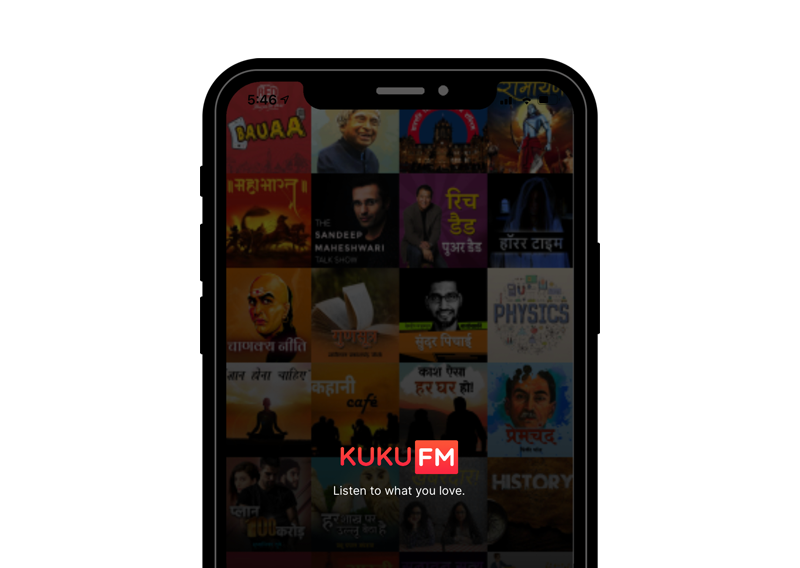
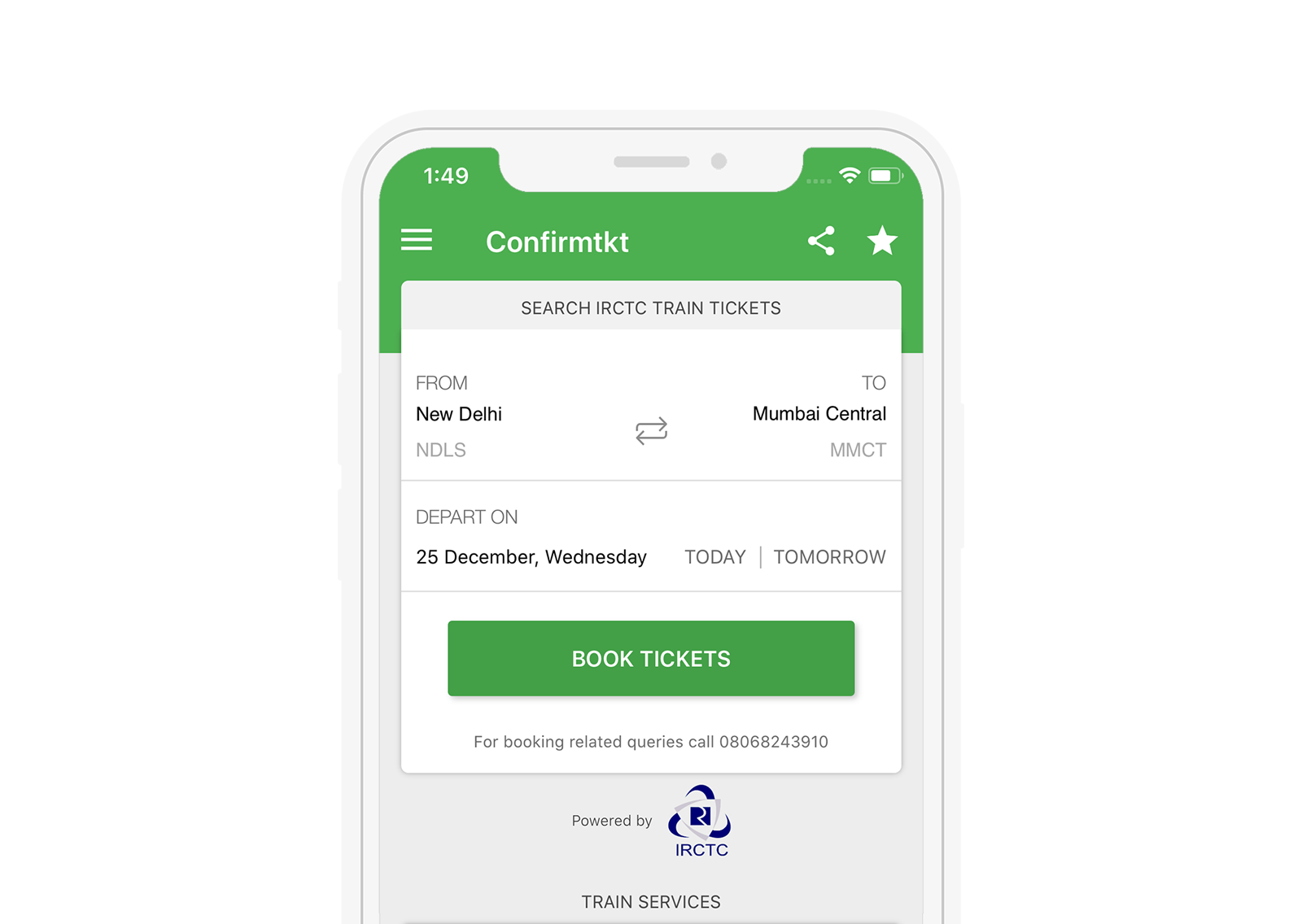
Flutter Apps That Moved Business Metrics
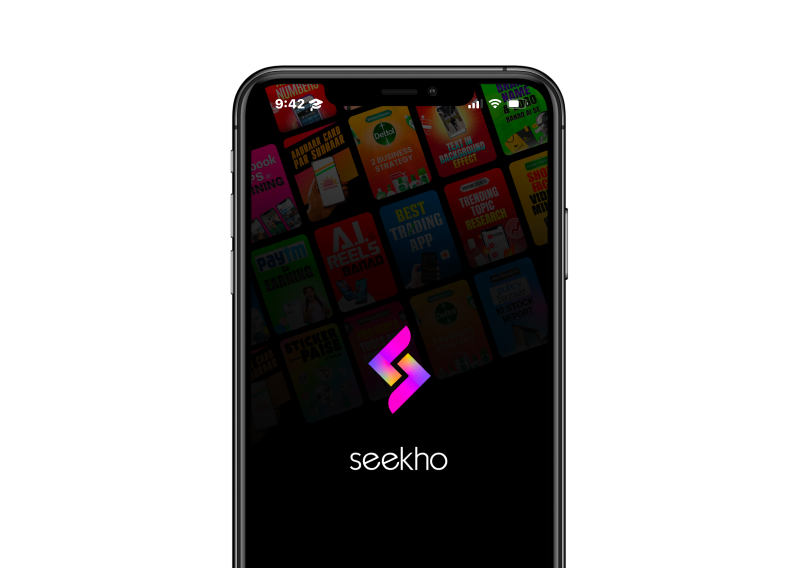
We measure our work in outcomes, not deliverables. Here are a few projects that illustrate what Square Infosoft Flutter development looks like in practice.
DEVELOPMENT APPROACH AND PROCESS
Our Flutter App Development Process
From product discovery to app launch and ongoing improvement, we follow a structured Flutter development process designed to keep your project clear, testable, and scalable.
We define the product scope, user experience, technical architecture, development roadmap, testing strategy, and launch requirements before moving into production. Whether you are building a Flutter MVP, an AI-powered application, or an enterprise product, each phase has clear deliverables and review points.
Product Discovery & Requirements Analysis
Every Flutter project starts with understanding your business goals, target users, product requirements, existing systems, and technical constraints. We map user journeys, identify core features, prioritize the MVP scope when required, review API and third-party integration needs, and evaluate potential AI use cases. This discovery stage helps establish a practical Flutter app strategy, development roadmap, and project scope before development begins.
Flutter UI/UX Design & Interactive Prototype
Once the requirements are clear, our UI/UX team turns the product idea into user flows, wireframes, high-fidelity screens, and interactive prototypes. We focus on creating intuitive Flutter app interfaces that work across different screen sizes and devices. Prototyping allows you to review the user experience before development starts while helping the design and development teams identify usability and technical considerations early.
Flutter Architecture & Technology Selection
Before development begins, we define the technical architecture based on your application’s features, scalability requirements, integrations, and expected users. This includes selecting the appropriate Flutter architecture, state management, navigation approach, backend technology, database, APIs, authentication, third-party integrations, and testing strategy. For AI-powered Flutter applications, we also plan the AI model, API, data flow, and integration requirements as part of the overall application architecture.
Agile Flutter App Development
With the design and architecture approved, our Flutter developers begin building the application in focused development sprints. We develop the Flutter frontend and connect it with the required backend, APIs, databases, authentication, payments, real-time functionality, notifications, and third-party services. Depending on the project, we can also implement AI-powered features, Generative AI, LLM integrations, recommendation systems, chatbots, and other intelligent capabilities. Regular sprint reviews allow you to see working product progress throughout development.
Flutter App Testing & Quality Assurance
Before release, the Flutter application goes through structured quality assurance and testing across supported devices, operating systems, screen sizes, and important user journeys. Our testing process can include functional testing, UI testing, API and integration testing, device compatibility testing, performance testing, security checks, accessibility testing, regression testing, and AI feature testing. We identify and resolve bugs, performance issues, and compatibility problems before the application reaches production.
Flutter App Deployment & Store Submission
After successful testing, we prepare the application for production deployment and store submission. This can include App Store Connect and Google Play Console configuration, production build preparation, app metadata, screenshots, privacy and compliance requirements, release configuration, and submission management. Our Flutter development process covers the technical steps required to move the application from a tested build to a production release.
Post-Launch Flutter App Support & Optimization
Our Flutter development process continues after the application goes live. We can provide ongoing maintenance, bug fixing, Flutter SDK and dependency updates, OS compatibility updates, performance optimization, crash monitoring, security updates, feature enhancements, and application scaling. We also use real-world application data and user feedback to identify improvements and plan future development iterations.
FLUTTER TECHNOLOGY STACK AND CAPABILITIES
Flutter Technology Stack and Core Capabilities
Technical credibility requires specificity. Here is exactly what our Flutter development teams work with.
Core Framework and Language
Flutter 3.x (Stable Channel)
We track stable releases, evaluate each for breaking changes, and maintain a documented upgrade policy for client applications.
Dart Programming Language
Null safety enforced across all new projects; strong typing discipline in code reviews.
Impeller Rendering Engine
Default renderer on iOS and Android since Flutter 3.10; eliminates the shader compilation jank that affected earlier Flutter apps and delivers consistent 60fps (120fps on ProMotion displays).
State Management
BLoC / flutter_bloc
Our preferred pattern for complex, event-driven applications with multiple data sources and screen states.
Riverpod
Our choice for moderate-complexity apps that benefit from compile-time safety and easier testing.
Provider
Used selectively for smaller-scoped state in isolated widget trees.
GetX
Used in legacy maintenance contexts; not recommended for new builds.
Backend and Integration
Firebase Suite
Firestore, Authentication, Cloud Functions, Remote Config, Crashlytics, Performance, Cloud Messaging, Hosting.
REST API Integration
Dio with interceptors, retry logic, token refresh, and certificate pinning.
GraphQL
Ferry or Artemis for type-safe GraphQL clients with code generation.
WebSocket
Dart's native WebSocket API and Socket.IO client for real-time features.
Supabase
PostgreSQL-backed open-source Firebase alternative for clients requiring self-hosted infrastructure.
AI and Machine Learning Integration
TensorFlow Lite (tflite_flutter)
On-device inference for latency-sensitive features.
Firebase ML Kit
Ready-to-use ML models for text, image, and language tasks.
LLM API Integration
OpenAI, Anthropic, and Gemini API integration via HTTP clients with streaming support.
LangChain Dart
Emerging integration for agent-based AI features in Flutter apps.
Testing Tools
flutter_test
Widget and unit testing framework.
Mockito / Mocktail
Mock generation for isolated unit tests.
Patrol
End-to-end integration testing with real device interactions.
Firebase Test Lab
Cloud device farm testing across 200+ real device configurations.
DevOps and CI/CD
Fastlane
Automated signing, building, and deployment to App Store and Play Store.
Codemagic
Flutter-native CI/CD with build triggers, test automation, and deployment pipelines.
GitHub Actions / Bitrise
Alternative CI/CD configurations based on client infrastructure preference.
Design Tools and Handoff
Figma
Primary design tool with Flutter-specific component libraries.
Zeplin
Design-to-development handoff with Flutter code snippet generation where applicable.
Get Recommendations From Flutter App Development Specialists
ENGAGEMENT MODELS
Flexible Flutter Development Engagement Models
Different Flutter projects need different engagement approaches. The right model depends on your project scope, existing development team, product stage, and level of collaboration required.
Whether you need a dedicated Flutter development team, a clearly scoped project, additional Flutter developers, or flexible development support as requirements evolve, we can structure the engagement around your business and development needs.
Dedicated Flutter Development Team
Best for: Startups scaling a product, businesses without an in-house mobile development team, and companies building or expanding a digital product.
Get a dedicated Flutter development team aligned with your product goals and development roadmap. The team can include Flutter developers, UI/UX specialists, backend engineers, QA professionals, and project management support based on your requirements.
You maintain control over priorities while our team handles development, code quality, testing, and delivery. This model works well for long-term Flutter product development, SaaS products, enterprise applications, and continuously evolving mobile apps.
Fixed-Price Flutter App Development
Best for: Clearly defined projects, MVPs, specific feature releases, redesigns, and projects with established requirements.
A fixed-price engagement works well when your Flutter app scope, features, integrations, and deliverables are clearly defined before development begins.
We first understand the requirements, define the project scope, establish milestones, and then plan development around the agreed deliverables. Any changes to the agreed scope can be reviewed separately before implementation.
This model provides greater predictability when the product requirements are stable.
Time and Material Flutter Development
Best for: Evolving products, research-heavy projects, ongoing development, and applications where requirements may change during development.
The Time and Material model provides flexibility when the complete product scope cannot be defined upfront. Development is based on the actual work completed against an agreed rate and development plan.
This approach allows you to adjust features, priorities, integrations, and technical requirements as the product evolves without having to redefine the entire project scope.
It can be particularly useful for startups, product teams, AI-powered Flutter applications, and applications that require continuous iteration.
Flutter Developer Staff Augmentation
Best for: Businesses with an existing development team that need additional Flutter expertise or development capacity.
Add experienced Flutter developers to your existing team for a specific project, capability gap, or temporary increase in development workload.
Your Flutter developer can work with your existing tools, processes, communication channels, sprint cycles, and technical leadership. This gives your team additional development capacity without requiring a permanent internal hire.
This model can also work well when you need a Flutter App Developer, Senior Flutter Developer, Flutter Full-Stack Developer, or AI Flutter Developer for a specific requirement.
Client Reviews
What Our Clients Say

Kreg Thornley
Marketing Director, Alchemy Spetec Tucker, Georgia, United States
James Guttman
San Francisco, California, United StatesFREQUENTLY ASKED QUESTIONS
Flutter App Development: Frequently Asked Questions
What is Flutter app development?
Flutter app development is the process of building applications using Google’s Flutter framework and Dart programming language. Flutter allows developers to create applications for iOS, Android, web, and desktop while sharing a common codebase across platforms.
It is commonly used for startups, businesses, and enterprises that want to develop and maintain applications across multiple platforms.
Why should I choose Flutter for mobile app development?
Flutter can be a strong choice when you want to build applications for multiple platforms while maintaining a shared development codebase.
It provides a consistent UI development approach, supports modern mobile capabilities, and can be used for everything from Flutter MVP development to larger business and enterprise applications.
How much does Flutter app development cost?
Flutter app development cost depends on the application’s features, complexity, UI/UX requirements, backend architecture, third-party integrations, AI capabilities, supported platforms, and development requirements.
A simple MVP will generally require a different level of investment than a complex application with real-time functionality, multiple integrations, AI features, or enterprise requirements. We recommend defining the product scope and core features first so the project can be estimated based on actual requirements.
How long does it take to build a Flutter app?
The timeline depends on the scope and complexity of the application. An MVP with a focused feature set can be developed faster than a large application with multiple user roles, integrations, real-time functionality, AI features, or complex backend requirements.
The development process typically includes discovery, UI/UX design, architecture, Flutter development, testing, deployment, and post-launch support.
Is Flutter better than React Native?
Flutter and React Native are both capable cross-platform development technologies. The better choice depends on your application requirements, existing technology stack, team expertise, UI requirements, integrations, and long-term product roadmap.
We evaluate these factors before recommending Flutter or another technology for a project.
Can Flutter apps match native iOS and Android app performance?
Yes, in most practical cases. Flutter compiles to native ARM code (not interpreted JavaScript like earlier cross-platform solutions), and the Impeller rendering engine bypasses the platform’s native UI toolkit to render directly to the GPU. This means Flutter apps achieve 60fps (and 120fps on ProMotion and high-refresh Android displays) with smooth animations that are indistinguishable from native. The only scenarios where native still has an edge are applications that depend heavily on platform-specific UI components that Flutter cannot replicate via platform channels, which represent a small minority of app use cases.
Does Flutter support web and desktop app development?
Yes. Flutter 3.x supports iOS, Android, web (Chrome, Firefox, Safari, Edge), Windows, macOS, and Linux from a single codebase. Flutter Web uses both HTML and CanvasKit rendering modes. CanvasKit delivers pixel-perfect fidelity, while HTML mode offers better SEO and initial load performance for content-heavy pages. Flutter Desktop is production-stable on Windows and macOS, with Linux support in active development. Square Infosoft has shipped Flutter web and Flutter desktop applications alongside mobile in unified codebases.
What is the difference between hiring Flutter developers and working with a Flutter development company?
Hiring individual Flutter developers (freelancers or staff augmentation) gives you lower hourly rates and direct control over team composition but requires you to manage architecture, code quality, testing practices, and delivery processes yourself. Working with a Flutter development company like Square Infosoft means you get a managed team with a defined process, code review culture, QA function, project management, and accountability for outcomes, not just hours. The right choice depends on whether you have the internal management capacity to lead a development team or whether you want a partner who owns delivery.
How do I migrate my existing native iOS and Android app to Flutter?
Native-to-Flutter migration is one of our most requested services in 2026. The recommended approach for most businesses is a phased migration using Flutter’s Add-to-App integration, which allows you to embed Flutter screens within an existing native app, incrementally migrating feature by feature rather than rebuilding everything at once. This approach maintains an app. stability during migration, allows you to ship new features simultaneously, and reduces the business risk of a full rewrite. A complete migration typically takes 3 to 6 months depending on app complexity and team size. Contact us for a migration complexity assessment.
What happens after my Flutter app launches?
Square Infosoft offers three post-launch support options: a monthly maintenance retainer (minimum 20 hours/month covering dependency upgrades, OS compatibility patches, bug fixes, and performance monitoring), a dedicated ongoing development team (for products with continuous feature development), and as-needed support (for stable apps needing only occasional intervention). All post-launch clients have access to our shared Firebase Crashlytics and performance monitoring dashboards from day one.
Does Square Infosoft work with startups or only with enterprises?
We work with both. Approximately 40% of our Flutter projects are with funded startups (pre-seed through Series B) building their first or second product. The remaining 60% are with established businesses, mid-market companies, and enterprises building new digital products, replacing legacy mobile apps, or consolidating separate native codebases. Our Flutter MVP service is specifically designed and priced for startups. Our dedicated team and T&M models are more common for enterprise engagements.
Can you build a Flutter MVP for my startup?
Yes. Flutter can be used to build MVPs for startups that want to validate a product idea before investing in a larger application.
The MVP can focus on the most important user journeys and core features, with the architecture planned so additional functionality can be introduced as the product grows.
Can you develop a full-stack Flutter application?
Yes. Flutter can be used as the application layer while the backend handles APIs, databases, authentication, business logic, cloud services, and integrations.
Depending on the project, a full-stack Flutter solution can include Flutter frontend development, REST or GraphQL APIs, Firebase or other backend services, databases, authentication, payments, notifications, and AI integrations.
Can you migrate my existing native iOS or Android app to Flutter?
Yes. Existing native applications can be migrated to Flutter depending on the application’s architecture, native dependencies, integrations, and business requirements.
Migration can be approached as a complete rebuild or as a phased process where selected functionality is migrated while the existing application continues operating.
Can you modernize or rebuild an existing Flutter application?
Yes. We can work on existing Flutter applications that require modernization, feature improvements, performance optimization, dependency updates, UI improvements, bug fixing, or architectural changes.
The first step is to review the existing codebase and identify technical issues, outdated dependencies, performance bottlenecks, and opportunities for improvement.
What types of features and integrations can you add to a Flutter app?
Flutter applications can integrate a wide range of application features and external services depending on the product requirements.
Examples include payment gateways, GPS and location services, maps, real-time tracking, push notifications, subscriptions, social login, REST APIs, GraphQL, chat, audio/video, live streaming, offline functionality, analytics, and AI-powered features.
Can you integrate a Flutter app with my existing backend or APIs?
Yes. Flutter applications can connect with existing backend systems and APIs.
Depending on the architecture, integrations can include REST APIs, GraphQL, WebSockets, authentication services, databases, payment systems, CRM/ERP platforms, cloud services, and third-party APIs.
Can I hire Flutter developers from Square Infosoft?
Yes. Businesses can hire Flutter developers or engage a dedicated Flutter development team based on their project requirements.
The engagement can be structured around individual developer requirements, team augmentation, a dedicated development team, or complete Flutter application development.
Do you provide No-Code and Low-Code app development?
Yes, when No-Code or Low-Code is appropriate for the product requirements.
These approaches can be considered for rapid prototypes, MVPs, internal applications, and products where faster initial development is more important than highly customized application architecture. The right approach depends on the application’s complexity, scalability, integrations, and long-term requirements.
Do you support AI-assisted development or Vibe Coding?
AI-assisted development and Vibe Coding can be useful during ideation, prototyping, code generation, and rapid MVP development.
For production applications, generated code still needs proper architecture, security review, testing, performance optimization, code review, and deployment practices. We can evaluate where AI-assisted development makes sense within the overall Flutter development process.
Do you provide Flutter app maintenance and support after launch?
Yes. Post-launch support can include bug fixing, Flutter SDK and dependency updates, OS compatibility updates, performance optimization, crash monitoring, security updates, feature development, and application improvements.
The level of support can be structured around occasional maintenance or ongoing development depending on the application and business requirements.
Ready to Build a Flutter App That Actually Performs?
You have read enough to know whether Square Infosoft is the right partner for your Flutter project. The next step is a 30-minute call where we learn about your product vision, answer your technical questions, and give you an honest assessment of scope, timeline, and budget at no charge and with no obligation to proceed.
- No sales pitch.
- No NDAs required to have the conversation.
- No timeshare tactics.
Schedule Your 30-Minute Consultation Today
150+ clients globally | 200+ Flutter apps delivered | 4.9/5 on Clutch

