
Jewelry App Development Services for Retailers, Brands & Manufacturers
Build digital experiences tailored to your jewelry business with custom jewelry app development and software solutions. Square Infosoft helps businesses plan and develop mobile apps, ecommerce platforms, web applications, and connected business systems around their products, customers, and workflows.
From jewelry shopping apps and online stores to inventory management, B2B portals, and custom business software, we help you turn your requirements into a digital product designed around your business needs. Explore AI-powered features where they add practical value, such as product recommendations, intelligent search, and customer support automation.
TRUSTED CLIENT’S
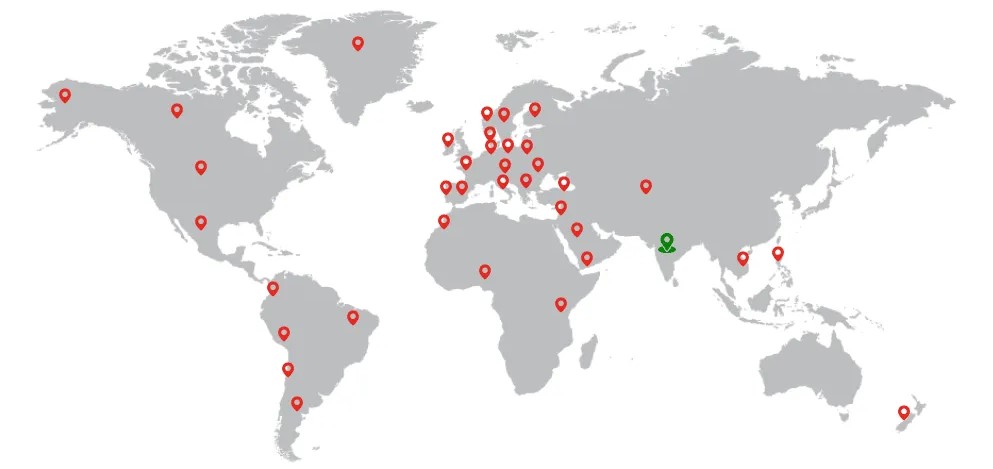
Trusted by Businesses Worldwide for Mobile App Development Partner
Square Infosoft works with businesses to plan and develop digital products aligned with their operational needs, customer experiences, and growth plans. Our approach to custom software, mobile app development, and web development focuses on building solutions around each project’s requirements.









Projects Delivered
Happy Clients
Countries Served
Years of Experience
How Technology Is Transforming the Jewelry Business
Technology is transforming the jewelry industry by helping retailers, manufacturers, wholesalers, and jewelry brands streamline operations, improve customer experiences, and expand their digital reach. With jewelry app development, custom jewelry software, and jewelry ecommerce solutions, businesses can manage product catalogs, track inventory, simplify orders, and connect online and in-store sales through more efficient digital workflows.
From mobile jewelry shopping apps and real-time inventory management to personalized product recommendations, AI-powered jewelry solutions, and B2B ordering platforms, digital innovation creates new ways to serve customers and manage business operations. By investing in the right jewelry software development solutions, businesses can reduce manual work, make more informed decisions, and build a flexible digital foundation for long-term growth.

Challenges We Help Solve
Jewelry Business Challenges We Solve with Custom Software Development
Simplify Jewelry Business Operations with Tailored Digital Solutions
Managing a jewelry business requires accurate inventory tracking, detailed product information, flexible pricing, efficient order processing, and a seamless customer experience. As jewelry retailers, manufacturers, wholesalers, and brands expand across online and offline channels, manual processes and disconnected systems can make daily operations more complex.
Square Infosoft helps businesses explore custom jewelry software development solutions aligned with their operational needs. From jewelry inventory management software and ecommerce platforms to B2B ordering portals, manufacturing workflows, and AI-powered features, we help turn business requirements into practical digital solutions.
Jewelry Inventory Management Across Products and Locations
Jewelry inventory management can be complex because each item may have different metal types, purity levels, weights, gemstone details, sizes, designs, and making charges. Tracking stock across showrooms, warehouses, and online sales channels can become difficult when information is maintained manually or across separate systems.
Our solution: Custom jewelry inventory management software can help organize product records, monitor stock movements, manage product variations, and improve inventory visibility across locations and sales channels. Features can be tailored to the way your jewelry business handles purchasing, transfers, sales, and returns.
Jewelry Pricing and Product Data Management
Jewelry pricing may depend on metal rates, item weight, gemstone specifications, making charges, taxes, and business-specific pricing rules. Maintaining accurate prices and product details across catalogs, sales channels, and teams can require considerable manual effort.
Our solution: Custom jewelry business software can support configurable pricing rules, structured product data, and catalog management workflows. The system can be designed around your pricing process and updated according to your defined business rules and integrations.
B2B Jewelry Wholesale Ordering and Retailer Management
Jewelry wholesalers and manufacturers often need to manage retailer accounts, bulk orders, negotiated prices, product catalogs, repeat purchases, and order histories. Email-based ordering and manual coordination can make these workflows harder to manage as the business grows.
Our solution: A custom B2B jewelry portal or wholesale jewelry ecommerce platform can provide account-based access, customer-specific catalogs, negotiated pricing, bulk ordering, and order tracking. Features can be configured to suit your wholesale model, customer relationships, and approval processes.
Jewelry Manufacturing and Production Workflow Management
Jewelry manufacturers may coordinate design approvals, material allocation, job work, production stages, quality checks, and order fulfillment across multiple teams or partners. Without a clear workflow, tracking production progress and order status can become difficult.
Our solution: Jewelry manufacturing software can organize production records, job-work details, task assignments, status updates, and order information in one workflow. Custom modules can be planned around your manufacturing process, helping teams access relevant information and coordinate work more consistently.
Jewelry Sales Analytics and Business Reporting
Jewelry businesses need useful information about sales performance, product demand, stock movement, customer activity, and order fulfillment. When reports are spread across different systems or prepared manually, identifying trends and operational issues can take longer.
Our solution: Jewelry business intelligence and analytics software can consolidate relevant information into dashboards and reports. Depending on your data sources, these tools can help teams review sales trends, monitor inventory, and make better-informed operational decisions.
Jewelry Ecommerce Development for Connected Online and Offline Sales
Jewelry businesses selling through ecommerce websites, mobile apps, physical stores, and marketplaces need consistent product information and reliable order management. Disconnected channels can lead to stock mismatches, duplicate work, and inconsistent customer experiences.
Our solution: Jewelry ecommerce development can bring together online product catalogs, shopping experiences, order workflows, and inventory connections. Depending on your requirements, a custom jewelry shopping app or omnichannel ecommerce platform can help create a more consistent experience across digital and physical touchpoints.
Disconnected Jewelry CRM, ERP, and POS Systems
When customer relationships, inventory, sales transactions, accounting, and order processing are managed in separate applications, teams may have to enter the same information multiple times or reconcile inconsistent records.
Our solution: Jewelry CRM software, ERP integrations, and point-of-sale (POS) solutions can help connect relevant business workflows. Custom jewelry software development can also link existing applications where feasible, giving teams a more coordinated view of customers, orders, and inventory without replacing systems unnecessarily.
Jewelry Product Visualization and Custom Design Experiences
Online shoppers may want to examine jewelry details closely, compare design variations, or customize selected product attributes before placing an order. Standard product pages may not support every visualization or personalization requirement.
Our solution: Custom jewelry app development can include detailed product galleries, interactive jewelry configurators, design selection tools, and product customization workflows. Features such as virtual try-on or advanced 3D visualization can be evaluated according to technical feasibility, available assets, budget, and project scope.
Customer Personalization and AI-Powered Jewelry Applications
Customers may need help discovering suitable designs, comparing products, finding relevant collections, or getting quick answers to shopping questions. Generic browsing experiences may not meet every customer’s preferences or expectations.
Our solution: AI integration for jewelry apps can support use cases such as personalized product recommendations, intelligent product search, conversational customer support, and product discovery. The appropriate approach depends on your business objectives, available product and customer data, privacy requirements, and the expected value of each feature.
Legacy Jewelry Software Modernization and System Integration
Older jewelry applications may not support new sales channels, larger product catalogs, evolving workflows, or integration with newer business systems. Replacing an entire platform may not always be necessary or practical.
Our solution: Jewelry software modernization can involve updating existing applications, integrating selected systems, improving specific workflows, or developing a replacement solution when justified. The right approach begins with reviewing your current technology, operational challenges, integration needs, and future plans.
Find the Right Jewelry Software Solution for Your Business
Not every jewelry business needs the same technology. A retail jeweler may prioritize inventory accuracy and omnichannel sales, while a manufacturer may need production tracking and job-work management. A wholesale business may benefit more from B2B ordering and account-specific pricing.
Square Infosoft can help you assess your requirements and plan a custom jewelry app or software solution around your business model, users, and priorities.
CORE SERVICES
Our Jewelry Software Development Services We Provide
Every jewelry business has different requirements, from selling collections online to managing inventory, coordinating manufacturing, and serving wholesale customers. The right digital solution should fit your products, business model, operational workflows, and customer expectations.
Square Infosoft provides digital product development services that can be tailored to jewelry industry requirements, including mobile app development, web development, ecommerce platforms, custom business software, AI integration, and rapid application prototyping.
Whether you are launching a new jewelry shopping app, modernizing existing systems, building a B2B wholesale platform, or exploring an AI-powered jewelry application, we can help you evaluate the right development approach for your goals.
Custom Jewelry App Development
Build a jewelry mobile app tailored to your customers, products, and business workflows. Custom jewelry app development can support product discovery, customer accounts, shopping, order tracking, loyalty features, and relevant integrations for jewelry retailers, brands, and startups.
Potential solutions include:
- Jewelry shopping and retail mobile apps
- Detailed product catalogs and specifications
- Customer accounts, wishlists, and loyalty features
- Shopping carts, checkout, and order tracking
- Customer engagement and notification features
- Mobile apps with relevant AI-powered capabilities
Jewelry Ecommerce and Web Development
Create responsive jewelry ecommerce websites and web applications that showcase products and support online sales. Jewelry web development can bring together product catalogs, search, customer accounts, checkout, order workflows, and inventory connections where technically feasible.
Potential solutions include:
- Jewelry ecommerce websites and web apps
- Online jewelry store development
- Product catalogs, filters, and search
- Metal, gemstone, size, and design variations
- Payment, shipping, and order integrations
- Omnichannel ecommerce experiences
Jewelry Inventory Management Software
Manage jewelry stock and product records through inventory software designed around your business processes. Jewelry inventory systems may need to track metal type, purity, item weight, gemstones, designs, locations, and unique product identifiers across showrooms, warehouses, and online channels.
Potential solutions include:
- Jewelry item, SKU, and variant management
- Metal, gemstone, weight, and purity attributes
- Stock transfers, adjustments, and returns
- Barcode or QR code workflows where suitable
- Inventory alerts and stock reporting
- Ecommerce, POS, and ERP integrations
Jewelry ERP, CRM and POS Software Solutions
Connect relevant sales, customer, inventory, and operational workflows through custom jewelry business software or integrations with existing systems. ERP, CRM, and point-of-sale capabilities can be planned around your processes without adding unnecessary complexity.
Potential solutions include:
- Jewelry CRM and customer purchase histories
- Showroom POS and sales transaction workflows
- Supplier and purchase order management
- Customer follow-up and relationship workflows
- Inventory and order synchronization
- Business reporting and system integrations
B2B Jewelry Portal and Wholesale Ecommerce Development
Give retailers, distributors, and business customers an organized way to browse collections and place wholesale orders. A custom B2B jewelry portal can support account-specific catalogs, negotiated pricing, bulk orders, and customer account workflows based on your wholesale model.
Potential solutions include:
- B2B jewelry ecommerce portals
- Retailer registration and account approval
- Customer-specific catalogs and pricing
- Bulk and repeat order management
- Quotation and order approval workflows
- Order history and status tracking
Jewelry Manufacturing and Production Management Software
Organize manufacturing information and production workflows with custom jewelry manufacturing software. Depending on your operations, the platform can help teams coordinate job work, design approvals, material allocation, production stages, quality checks, and order progress.
Potential solutions include:
- Production order and job-work tracking
- Design approvals and revision records
- Material allocation and usage tracking
- Production-stage status updates
- Quality inspection records
- Order progress and operational reporting
Jewelry Marketplace and Product Configurator Development
Build a digital marketplace for jewelry sellers or create interactive experiences that let customers explore supported design options. Depending on the project, these platforms may include seller management, multi-vendor catalogs, metal and gemstone selection, customization requests, and product previews.
Potential solutions include:
- Multi-vendor jewelry marketplaces
- Seller onboarding and dashboards
- Product catalog and listing management
- Metal, gemstone, and design selection
- Custom jewelry request and quotation workflows
- 3D visualization or virtual try-on feasibility assessment
AI App Development and AI Integration for Jewelry Businesses
Explore AI app development, generative AI integration, and machine learning features where they address a defined jewelry business need. AI-powered jewelry applications may support product discovery, customer assistance, personalized recommendations, and access to approved product information, depending on data readiness and project requirements.
Potential solutions include:
- AI-powered jewelry product recommendations
- Intelligent product search and discovery
- AI chatbots for common customer questions
- Generative AI assistants for approved product information
- AI integration with existing jewelry applications
- Machine learning and predictive analytics where appropriate
AI features should be selected based on business value, available data, privacy requirements, accuracy expectations, and ongoing maintenance needs.
Jewelry UI/UX Design, API Integration and Business Automation
Design clear digital experiences and connect compatible applications to reduce fragmented workflows. Jewelry app UI/UX design can improve product discovery and checkout, while API integration can connect ecommerce, payments, inventory, accounting, customer communication, and reporting tools where suitable access is available.
Potential solutions include:
- Mobile app and ecommerce website UI/UX design
- Wireframes and interactive prototypes
- Customer, seller, and staff dashboards
- Payment gateway and accounting integrations
- Ecommerce, inventory, CRM, and ERP connections
- Order notifications and repetitive workflow automation
No-Code and Low-Code Jewelry App Development
No-code development uses visual builders with little or no traditional hand-written code, while low-code development combines visual tools with custom code when more flexibility is needed. These approaches may suit selected prototypes, internal tools, straightforward workflows, or early jewelry app MVPs.
Potential solutions include:
- Jewelry app and product catalog prototypes
- Basic inquiry and customer intake portals
- Internal product or workflow management tools
- Jewelry app and SaaS MVP validation
- Order tracking and approval workflows
- Low-code apps with selected custom integrations
Tools such as Bubble, Glide, or Softr may be assessed when their capabilities fit the requirements. Platform choice should account for security, licensing, integration needs, scalability, and long-term ownership.
Vibe Coding, Rapid MVP Development and Jewelry Software Modernization
Vibe coding uses natural-language prompts and AI coding tools to generate and iterate on application code. It can help explore jewelry app concepts and proof-of-concept experiences. Rapid MVP development, legacy modernization, and ongoing maintenance can support the next stage when the approach is selected around actual business and technical requirements.
Potential solutions include:
- Jewelry app prototypes and proof of concepts
- Wholesale dashboard and ordering demos
- Rapid MVP development for jewelry startups
- AI-assisted iteration on application code
- Legacy jewelry software modernization
- Existing app enhancements, updates, and maintenance
Tools such as Replit, Lovable, Bolt.new, or Cursor may be evaluated for suitable projects; this does not imply every tool is part of a standard delivery workflow. Production applications still need appropriate code review, security checks, testing, and maintainable architecture. A prototype is not automatically production-ready.
Ready to Build Your Jewelry App or Software Solution?
Turn your jewelry business idea into a digital solution designed around your products, customers, and workflows. Whether you need a custom jewelry mobile app, ecommerce platform, inventory management software, B2B wholesale portal, or AI-powered application, the right starting point is a clear understanding of your goals.
Square Infosoft can help you explore the features, integrations, and development approach suited to your project from a new jewelry app MVP to a custom business platform or an upgrade to an existing system.
RESULTS AND CASE STUDIES
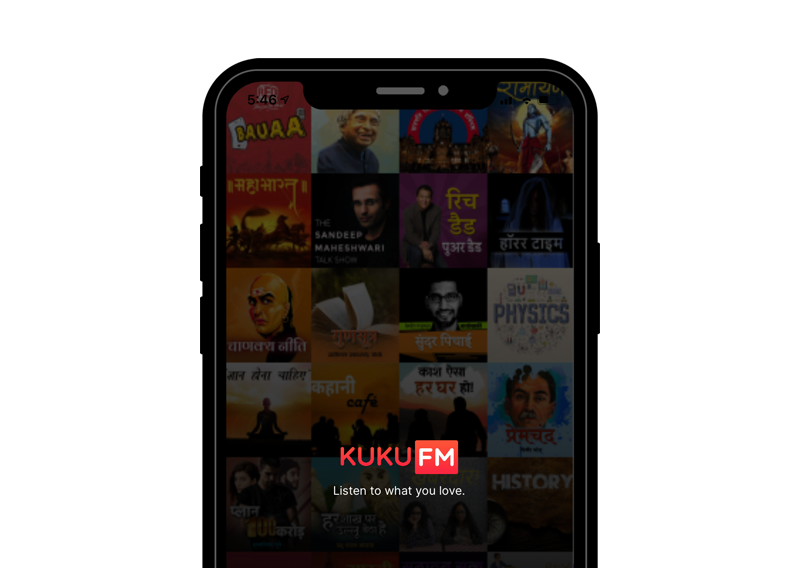
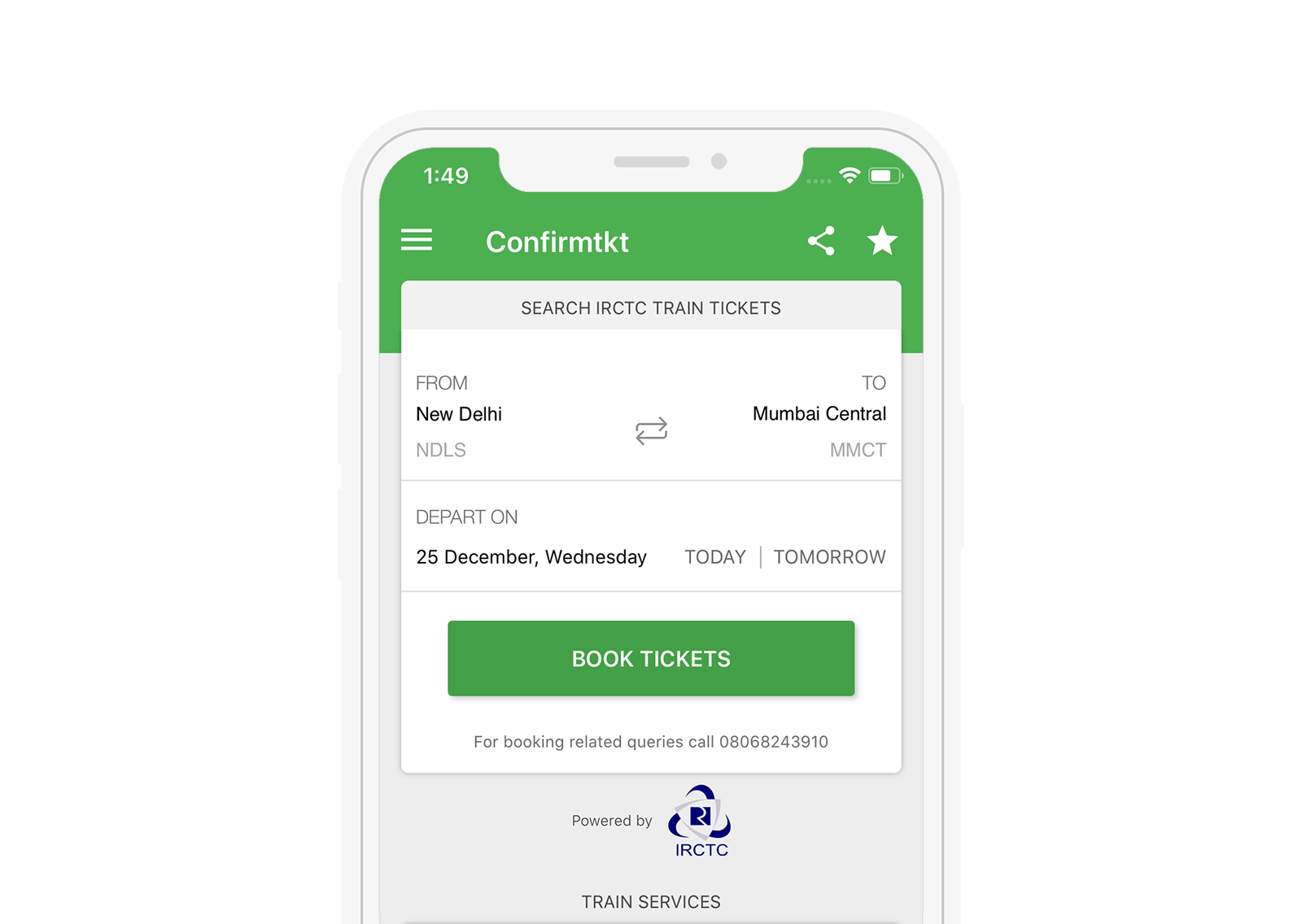
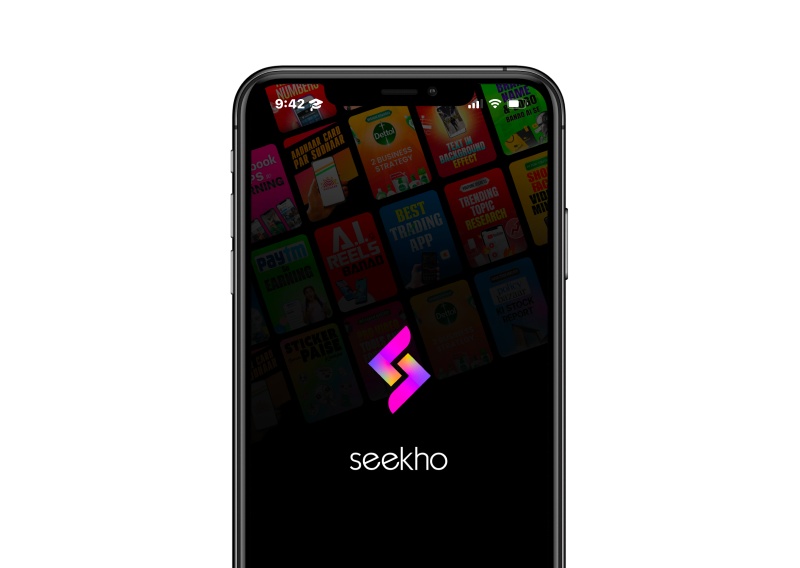
Our App Development Projects Built Around Real Business Needs
Every jewelry business has different technology requirements. Retailers may need better inventory visibility and online shopping experiences, while manufacturers and wholesalers may prioritize production workflows, B2B ordering, and connected business systems.
Square Infosoft develops digital solutions around defined business requirements, user needs, and operational workflows. Explore how the right combination of mobile app development, ecommerce, custom software, and AI integration can address jewelry business challenges.
What Our Clients Say
What Our Clients Say About Working With Us


Kreg Thornley
Marketing Director, Alchemy Spetec Tucker, Georgia, United States
James Guttman
San Francisco, California, United StatesBusiness Types We Serve
Jewelry App Development Solutions for Different Business Types
Custom Jewelry Software for Retailers, Manufacturers, Wholesalers, and Brands
Every jewelry business operates differently. Retailers need efficient selling and inventory workflows, manufacturers manage production and job work, and wholesalers coordinate catalogs, pricing, and bulk orders. Jewelry technology startups may need an MVP to validate a new product idea.
Square Infosoft develops digital solutions around business-specific requirements, helping organizations explore custom jewelry app development, ecommerce platforms, and software applications suited to their workflows.
Jewelry Retailers and Showroom Businesses
Retail jewelry businesses need ways to manage product catalogs, showroom operations, customer relationships, and online sales.
Solutions:
-
Jewelry retail app development
-
Jewelry inventory management software
-
POS and CRM integrations
-
Ecommerce websites and mobile shopping apps
-
Customer loyalty and engagement features
Jewelry Manufacturers and Production Businesses
Manufacturers may need to coordinate production stages, design approvals, material allocation, quality checks, and order fulfillment.
Solutions:
-
Jewelry manufacturing software
-
Production and job-work management systems
-
Material and inventory tracking
-
Workflow and order status dashboards
-
Custom ERP integrations
Jewelry Wholesalers and Distributors
Wholesale businesses often manage retailer accounts, bulk orders, negotiated pricing, and product catalogs for business customers.
Solutions:
-
B2B jewelry portal development
-
Wholesale jewelry ecommerce platforms
-
Account-specific catalogs and pricing
-
Bulk and repeat ordering workflows
-
Customer account and order management
Jewelry Brands and Direct-to-Consumer Businesses
Jewelry brands selling directly to consumers need a consistent digital experience across product discovery, purchasing, and post-purchase engagement.
Relevant solutions:
-
Custom jewelry shopping app development
-
Jewelry ecommerce website development
-
Product catalog and customization features
-
Customer accounts and wishlists
-
AI-powered recommendations where appropriate
Custom Jewelry Designers and Made-to-Order Businesses
Designers and made-to-order businesses may need to manage customer specifications, design approvals, quotations, and customization requests.
Relevant solutions:
-
Jewelry product configurators
-
Custom design request workflows
-
Product visualization features
-
Quotation and approval systems
-
Customer-facing ordering applications
Multi-Location Jewelry Chains
Businesses operating multiple stores may need better coordination of product information, inventory, customer records, and sales workflows across locations.
Relevant solutions:
-
Multi-location inventory management software
-
Centralized product and catalog management
-
Store-level reporting dashboards
-
POS and ecommerce integrations
-
Customer relationship management tools
Jewelry Marketplaces and Multi-Vendor Businesses
Marketplace operators need to coordinate sellers, product listings, customer orders, payments, and administration within a shared digital platform.
Relevant solutions:
-
Jewelry marketplace development
-
Multi-vendor ecommerce platforms
-
Seller dashboards and onboarding workflows
-
Product listing and order management
-
Commission and reporting workflows
Jewelry Technology Startups and Entrepreneurs
Startups developing new jewelry-related digital products may need to validate a concept before investing in a larger platform.
Relevant solutions:
-
Jewelry app MVP development
-
Rapid prototyping and product validation
-
No-code and low-code approaches for suitable use cases
-
AI-assisted prototyping and vibe coding where appropriate
-
Custom mobile app and SaaS development
Jewelry Exporters and International B2B Businesses
Exporters and international suppliers may need digital tools to manage product catalogs, business inquiries, buyer relationships, and wholesale order workflows across markets.
Relevant solutions:
-
B2B jewelry catalog and ordering portals
-
International buyer inquiry management
-
Customer-specific product catalogs
-
Order tracking and business dashboards
-
Integration with relevant business systems
Let's Discuss Your Jewelry Business Requirements
Whether you operate a retail showroom, manufacture jewelry, supply wholesale customers, or are launching a jewelry technology startup, the right solution begins with understanding your business model and priorities.
Square Infosoft can help you explore a suitable combination of custom jewelry app development, ecommerce, business software, and AI-enabled features based on your requirements.
Solutions
Custom Jewelry Software Solutions for Modern Jewelry Businesses
Digital Solutions to Manage Jewelry Sales, Inventory, Orders, and Operations
Jewelry businesses need software that can handle detailed product information, changing pricing rules, customer relationships, order workflows, and multiple sales channels. A well-planned digital solution brings the right features together to support specific business processes.
Square Infosoft helps businesses plan custom jewelry software solutions around their operational requirements, from product and inventory management to online sales, wholesale ordering, workflow automation, and AI-enabled experiences.
Jewelry Inventory and Stock Tracking Solutions
Manage jewelry products, stock movements, and item-level information through a centralized inventory workflow. Jewelry inventory software can be designed to record attributes such as metal type, purity, weight, gemstone details, design, and product identifiers.
Key capabilities include:
-
Item-level jewelry inventory records
-
Product variants and SKU management
-
Stock transfers between locations
-
Stock adjustments, returns, and purchase records
-
Barcode or QR code tracking where appropriate
-
Inventory reports and stock alerts
Jewelry Pricing and Metal Rate Management Solutions
Organize jewelry pricing rules and product information in a way that reflects your business processes. Depending on the pricing model, software can account for metal rates, item weight, gemstone specifications, making charges, taxes, and other configurable factors.
Key capabilities include:
- Configurable product pricing rules
- Metal rate inputs and update workflows
- Making charge and product cost calculations
- Price variation by product attributes
- Catalog price synchronization where supported
- Pricing records and administrative controls
Jewelry Ecommerce and Omnichannel Order Management Solutions
Coordinate product discovery, online purchases, and order processing across relevant digital and physical channels. An integrated jewelry ecommerce solution can connect customer-facing shopping experiences with product catalogs, inventory, and order workflows where compatible systems are available.
Key capabilities include:
-
Online jewelry product catalogs
-
Shopping cart and checkout workflows
-
Order confirmation and status tracking
-
Inventory availability checks
-
Returns and cancellation workflows
-
Ecommerce connections with showroom or POS systems
Jewelry Customer Relationship and Loyalty Management Solutions
Organize customer information and support more consistent interactions across shopping and showroom experiences. A jewelry CRM solution can help teams understand purchase history, manage customer preferences, and coordinate follow-up activities.
Key capabilities include:
- Customer profiles and purchase histories
- Customer inquiry and follow-up records
- Loyalty and membership management
- Occasion-based communication workflows
- Customer segmentation and reporting
- Integration with relevant sales and communication systems
Wellness Appointment and Management Platforms
Create digital platforms for wellness centers that need to coordinate appointments, services, practitioners and customer communication. Wellness appointment platform development can support online scheduling and administrative workflows tailored to the business model.
Key features: Appointment booking, practitioner profiles, service schedules, customer accounts and notifications.
Fitness Membership App Development
Build fitness applications that help gyms and fitness centers manage memberships, class schedules and customer access to services. Custom fitness membership app development can support the operational needs of individual facilities or growing fitness businesses.
Key features: Membership management, class booking, subscription workflows, payment integration and user dashboards.
B2B Jewelry Ordering and Wholesale Account Solutions
Support wholesale transactions with account-based ordering workflows that reflect the needs of business customers. A B2B jewelry ordering solution can help authorized buyers access relevant catalogs, view agreed pricing, submit bulk orders, and review order status.
Key capabilities include:
-
Business account registration and approval
-
Customer-specific catalogs and price lists
-
Bulk and repeat ordering
-
Quotation and order approval workflows
-
Buyer order history and tracking
-
Retailer and distributor account management
Jewelry Manufacturing and Job-Work Tracking Solutions
Coordinate production information across design approvals, material handling, job work, production stages, and quality checks. Custom jewelry manufacturing software can provide a structured view of work in progress and the information teams need to manage orders.
Key capabilities include:
-
Production orders and job-work records
-
Design specifications and approval history
-
Material allocation and usage records
-
Production-stage tracking
-
Quality inspection documentation
-
Finished-order status and reporting
Jewelry Product Catalog and Digital Merchandising Solutions
Keep product information organized for use across websites, apps, sales teams, and business portals. A jewelry catalog management solution can help maintain consistent product attributes, descriptions, images, and supported variations.
Key capabilities include:
-
Centralized product information
-
Metal, gemstone, size, and design attributes
-
Product image and media management
-
Category and collection organization
-
Product search and filtering
-
Catalog distribution to connected channels where supported
Custom Jewelry Design and Product Configuration Solutions
Let customers or sales teams explore supported jewelry variations through a structured configuration experience. Jewelry product configurators can collect design preferences and customization details before a quotation, order, or design approval.
Key capabilities include:
-
Metal and gemstone selection
-
Supported size and design variations
-
Custom design inquiry forms
-
Product option and variation previews
-
Quotation and approval workflows
-
Integration with product catalogs or ecommerce
Jewelry Marketplace and Seller Management Solutions
Coordinate product listings, sellers, customer orders, and marketplace administration within a shared platform. A jewelry marketplace solution can support the workflows required to operate a multi-vendor commerce model.
Key capabilities include:
-
Seller onboarding and account management
-
Multi-vendor product catalogs
-
Listing review and administration
-
Order routing and status management
-
Commission and payment workflows
-
Seller and marketplace reporting
AI-Powered Jewelry Product Discovery Solutions
Help customers explore relevant jewelry products through intelligent search and recommendation features. AI integration may improve product discovery when product information is sufficiently structured and the selected approach is appropriate for the intended use case.
Key capabilities include:
-
Natural-language product search
-
Attribute-based product discovery
-
Personalized recommendations where suitable
-
Conversational assistance with product questions
-
AI-supported catalog search
-
Product discovery analytics
Jewelry Customer Support and Generative AI Solutions
Use conversational interfaces to help customers find approved information about products, orders, store policies, and common questions. Generative AI integration can support customer service workflows when connected to reliable, authorized information sources.
Key capabilities include:
-
AI chatbots for common customer questions
-
Product information assistance
-
Guided product discovery
-
Access to approved policy and help content
-
Escalation to human support when needed
-
Integration with relevant customer service systems
Jewelry Business Analytics and Reporting Solutions
Bring relevant business information into organized dashboards to help teams review operational activity and identify areas that need attention. Jewelry analytics software can combine data from available sources to provide useful reporting without assuming that every system is already connected.
Key capabilities include:
-
Sales and order reporting
-
Inventory movement summaries
-
Product and category performance
-
Customer activity reporting
-
Manufacturing and order status dashboards
-
Exportable reports and role-based views where appropriate
Jewelry Workflow Automation and System Integration Solutions
Connect compatible applications and automate selected repetitive tasks across jewelry business operations. Jewelry software integration can help synchronize information between ecommerce, inventory, CRM, ERP, POS, accounting, and communication systems when suitable APIs and access are available.
Key capabilities include:
-
Order and status notifications
-
Inventory and catalog synchronization
-
Customer follow-up workflows
-
Data exchange between business systems
-
Payment and accounting integrations
-
Automated reporting and administrative tasks
Jewelry Business Dashboards and Role-Based Portals
Give different users access to the information and functions relevant to their responsibilities. A jewelry business portal can provide separate views for administrators, sales staff, suppliers, wholesale buyers, or other authorized users.
Key capabilities include:
-
Role-based access and permissions
-
Business and operational dashboards
-
Customer or supplier account views
-
Order and task status monitoring
-
Administrative settings and controls
-
Activity records and reporting where required
Jewelry Software Modernization and Data Migration Solutions
Improve an existing jewelry application or move selected business information to a new platform when current systems no longer meet operational needs. Modernization can involve targeted improvements, integration, migration, or a phased replacement.
Key capabilities include:
-
Existing application assessment
-
Data mapping and migration planning
-
Legacy system integration
-
Workflow and interface improvements
-
Compatibility and regression testing
-
Phased modernization roadmaps
Build a Jewelry Software Solution Around Your Workflows
The right solution depends on your products, business processes, existing systems, and future plans. You may need a focused inventory application, a connected ecommerce and order management system, a wholesale portal, or a combination of operational tools and AI-powered features.
Square Infosoft can help you define the required functionality and evaluate a suitable technical approach based on your project requirements.
AI Solution’s
AI Solutions for the Jewelry Industry
AI-Powered Jewelry Software to Improve Product Discovery, Customer Experience, and Business Operations
Artificial intelligence can help jewelry businesses improve how customers discover products, access information, and interact with digital shopping experiences. It can also support selected internal workflows, from product catalog search to business reporting.
Square Infosoft can help evaluate AI app development, generative AI integration, and machine learning opportunities for jewelry software based on your business goals, available data, and technical requirements. The focus is on choosing practical use cases rather than adding AI features without a clear purpose.
AI-Powered Jewelry Product Recommendations
Help customers discover relevant jewelry designs through AI-powered product recommendations. Recommendation features can use available product attributes, browsing signals, and customer preferences to suggest items that match a shopper’s interests. The approach should account for data availability, consent, and the relevance of recommendations.
AI-Powered Jewelry Search and Product Discovery
Make it easier for customers to find products using intelligent jewelry search. AI-assisted search can help interpret natural-language queries and connect them with relevant catalog attributes, such as jewelry type, metal, gemstone, style, occasion, or design. Results should remain grounded in accurate product data and actual inventory information where available.
Generative AI Chatbots for Jewelry Ecommerce
Provide customers with conversational assistance through generative AI chatbots for jewelry ecommerce websites and mobile apps. An AI assistant can answer common questions about product specifications, care instructions, shipping policies, and returns when those answers are supported by approved information. Clear escalation paths help customers reach a human representative when a question requires additional judgment.
AI-Powered Jewelry Personalization
Create more relevant shopping journeys with AI-powered jewelry personalization. Depending on the data and implementation, an application may tailor product collections, browsing suggestions, or content to customer preferences and shopping context. Personalization should be transparent, respect privacy requirements, and avoid making unsupported assumptions about customers.
AI Jewelry Design Assistance and Generative AI Prototyping
Explore generative AI for early-stage jewelry design concepts, creative inspiration, and visual prototyping. AI-generated concepts can help teams investigate styles or communicate ideas, but they should not be treated as production-ready designs without professional review. Manufacturing feasibility, material constraints, gemstone settings, dimensions, and intellectual property considerations still require appropriate checks.
AI-Powered Jewelry Image Search
Allow customers to explore similar-looking products through image-based jewelry search, where technically feasible. Computer vision models can analyze visual characteristics and retrieve potentially relevant catalog items based on available product images and metadata. Search quality depends on image consistency, catalog organization, and model evaluation; visual similarity alone does not verify gemstone authenticity or material composition.
AI Integration for Jewelry Customer Support
Connect AI customer support features with approved product information and relevant business systems to assist with routine inquiries. Depending on system access and integration scope, an AI assistant may help users locate product details, navigate support information, or find order-related guidance. Sensitive actions and order changes should use suitable authentication, authorization, and confirmation controls.
Machine Learning for Jewelry Sales and Demand Forecasting
Explore machine learning for jewelry sales analysis and demand forecasting when sufficient historical data is available. Predictive models can estimate potential demand patterns, identify trends, or support replenishment planning. Forecasts are estimates rather than guarantees and should be evaluated against historical performance, seasonal variation, product changes, and data quality.
AI-Powered Jewelry Inventory Insights
Use AI-assisted analytics to help teams review inventory patterns and identify items that may need attention. Depending on the available data, analytical models can flag unusual movements, highlight slow-moving stock, or surface potential replenishment considerations. These insights should complement established inventory controls rather than automatically changing stock or purchasing decisions without appropriate validation.
AI-Powered Jewelry Pricing and Product Data Assistance
AI tools can help organize product descriptions, classify catalog information, and identify incomplete or inconsistent product records. For jewelry pricing workflows, AI may assist with reviewing data or explaining configured pricing information, while actual prices should be calculated using validated business rules and reliable source data. Metal rates, weight, gemstone specifications, taxes, and making charges should not be inferred from generated text.
AI-Powered Jewelry Visual Search and Virtual Try-On Exploration
Explore visual search, augmented reality, or virtual try-on experiences to help customers evaluate jewelry digitally. These capabilities may require suitable product models, accurate image assets, device compatibility, and specialized computer vision or rendering technology. The feasibility of rings, earrings, necklaces, and other jewelry categories should be assessed separately because fit, scale, reflections, and placement can vary considerably.
Custom AI App Development for Jewelry Businesses
Develop an AI-powered jewelry application around a clearly defined business problem rather than adding AI features without a practical purpose. Custom AI app development may combine traditional application functionality with machine learning models, generative AI APIs, intelligent search, or automated workflows. Architecture, data access, privacy, accuracy, cost, and ongoing maintenance should be evaluated before selecting the implementation approach.
Tech Stack
Technology Stack for Jewelry App Development
Modern Technologies for Custom Jewelry Apps and Software Solutions
Choosing the right technology stack is an important part of jewelry app development. The technologies should support the application’s features, user experience, security requirements, integrations, and long-term maintenance.
Square Infosoft can evaluate technology options for jewelry mobile apps, ecommerce websites, inventory management software, B2B portals, and AI-powered applications based on each project’s requirements.
Mobile app technology options for jewelry shopping, product discovery, customer accounts, wishlists, order tracking, loyalty experiences, and retail or wholesale workflows on iOS and Android.
Frontend options for jewelry ecommerce websites, digital catalogs, product detail pages, custom design journeys, wholesale portals, customer dashboards, and responsive store administration.
Backend technologies can power product catalogs, customer and supplier accounts, stock movements, order processing, pricing rules, manufacturing workflows, and integrations with existing business systems.
Database and search options for detailed jewelry attributes, metal purity and weight, gemstones, SKUs, inventory by location, customer records, supplier data, orders, and catalog filtering.
Cloud and DevOps options can support secure deployment, monitoring, backups, and scaling for jewelry ecommerce, mobile applications, inventory systems, wholesale portals, and connected APIs.
AI and machine learning options for jewelry product recommendations, natural-language catalog search, customer support, visual product discovery, sales forecasting, and selected inventory insights.
AI features should be chosen for a defined business need and evaluated for product-data quality, privacy, reliability, bias, and human oversight. Visual search or virtual try-on may require specialist image-processing capabilities and additional testing.
Integration options can connect jewelry platforms with ecommerce, payment providers, POS, ERP, CRM, shipping, messaging, analytics, product feeds, and manufacturing or inventory systems where supported.
Specific providers and integrations should be confirmed during discovery. Availability depends on API access, permissions, licensing, data quality, and account configuration.
Security and privacy controls for jewelry platforms handling customer and supplier information, order histories, staff accounts, inventory data, and payment-related workflows.
Controls should match the product's risk profile, privacy commitments, payment provider requirements, and applicable laws. Security features alone do not guarantee compliance.
Quality assurance can cover product listings, price calculations, stock updates, checkout, payments, order workflows, wholesale permissions, integrations, responsive layouts, and AI-assisted features.
For suitable jewelry app prototypes, MVPs, catalog concepts, internal dashboards, and selected workflows, no-code, low-code, and AI-assisted tools can be evaluated against product complexity, integrations, data sensitivity, and expected scale.
No-Code and Low-Code Platforms
AI-Assisted Development and Vibe Coding
These tools may accelerate prototypes and selected MVPs, but complex pricing rules, inventory integrity, payment flows, ERP integrations, security, and scale may require custom development. Review and test all generated code before production use.
The jewelry app development technology stack should be selected around the product roadmap, target platforms, ecommerce and inventory requirements, privacy needs, budget, integrations, and expected growth. Not every technology or integration is needed for every jewelry application.
DEVELOPMENT PROCESS
Our Jewelry App Development Process
From Your Jewelry Business Idea to a Digital Solution
Every jewelry business has different requirements, from online product catalogs and custom jewelry design to inventory management, wholesale ordering, and manufacturing workflows. Our development process is designed to help define the right solution, select suitable technologies, and plan a clear path from concept to launch.
Step 1: Discovery and Requirements Analysis
We begin by understanding your jewelry business model, target customers, product range, operational workflows, and project goals. This helps define the scope of your jewelry app or software around your business requirements.
Our activities include:
Deliverable: A documented project scope, prioritized requirements, and initial development roadmap.
Step 2: Product Strategy, MVP and Technology Planning
We plan a practical roadmap for your jewelry software, whether you're validating an ecommerce concept with an MVP, building a wholesale portal, improving inventory operations, or connecting business systems. Technology and architecture decisions depend on scope, integrations, data needs, and growth plans.
Our activities include:
Deliverable: A prioritized product roadmap, proposed architecture, and technology plan.
Step 3: UI/UX Design and Prototyping
We design the experience around jewelry shoppers, retail teams, wholesalers, suppliers, and administrators. Wireframes and prototypes help review catalog navigation, product details, ordering, and business workflows before development begins.
Our activities include:
Deliverable: Approved UI/UX designs and an interactive prototype where appropriate.
Step 4: Jewelry App and Software Development
Development focuses on the agreed features for your jewelry solution, which may include a shopping app, ecommerce website, inventory management tools, B2B wholesale portal, manufacturing workflows, or administrative dashboards.
Our activities include:
For suitable projects, no-code or low-code platforms and AI-assisted development tools may be evaluated for prototyping or MVP development. Complex pricing rules, inventory integrity, payment flows, and ERP integrations may require custom architecture and additional validation.
Deliverable: Working software increments aligned with the approved scope and requirements.
Step 5: AI Features and Third-Party Integrations
When AI is relevant to the project, we assess the intended business benefit, available product data, integration requirements, and evaluation methods. Potential use cases include product recommendations, catalog search, customer-support chatbots, sales insights, and selected workflow automation.
Our activities include:
Deliverable: Agreed AI features and integrations implemented and evaluated against defined criteria.
AI features should be evaluated for privacy, reliability, bias, and safety. Visual search or virtual try-on may require specialist capabilities and additional testing.
Step 6: Quality Assurance, Privacy and Security Testing
We test the solution against its agreed requirements and acceptance criteria. Testing can cover catalog accuracy, pricing calculations, stock updates, checkout, order workflows, integrations, user permissions, and security considerations suited to the product.
Our activities include:
Deliverable: Test results, documented issues, and a release-readiness assessment.
Testing supports product quality but does not, by itself, establish compliance with every applicable legal or platform requirement.
Step 7: Deployment and Launch
After testing and release checks, the jewelry app or software is prepared for deployment to the agreed platforms. Launch planning depends on the hosting environment, app-store requirements, integrations, and any required data migration.
Our activities include:
Deliverable: A deployed jewelry software solution or agreed release ready for operational use.
Step 8: Maintenance and Continuous Improvement
After launch, ongoing maintenance can help keep the solution aligned with customer feedback, business priorities, platform updates, and evolving technical needs. Enhancements can be prioritized using available product analytics and operational feedback.
Our activities include:
Deliverable: An improvement plan based on product performance and business requirements.
WHY CHOOSE US
Why Choose Square Infosoft for Jewelry App Development?
Jewelry Software Development Tailored to Your Business Needs
Choosing the right jewelry app development company means finding a team that understands your business requirements, customer experience, operational workflows, and long-term product goals. Square Infosoft can help you plan a digital solution around your jewelry business, from ecommerce and mobile apps to inventory management, wholesale portals, and custom software.
Our approach focuses on aligning the proposed solution with your requirements, selecting suitable technologies, and planning for usability, integration, security, and future improvements.
Jewelry Business-Focused Development
Jewelry businesses have product and operational requirements that can differ from those of general retail businesses. Your software may need to handle metal and gemstone attributes, product variants, detailed catalogs, pricing rules, stock tracking, and customer-specific ordering workflows.
We plan the solution around the workflows relevant to your business model, whether you operate a jewelry retail store, manufacturing business, wholesale operation, or direct-to-consumer brand.
Custom Jewelry App and Software Solutions
Off-the-shelf software may not cover every business requirement. Custom jewelry app development can help bring selected customer-facing and operational workflows into a solution designed around your processes.
Depending on the agreed scope, this may include a jewelry shopping app, ecommerce website, inventory platform, supplier portal, manufacturing workflow, or integrated business application.
Mobile and Web Experiences for Jewelry Customers
Customers need clear product information and a convenient way to explore jewelry online. A well-planned digital experience can make it easier to browse collections, compare product details, save favorites, and complete purchases.
We can help define mobile and web experiences based on your audience, product range, business model, and target platforms.
Inventory and Business-System Integration Planning
Disconnected systems can make it difficult to maintain consistent product, stock, order, and customer information. A jewelry software solution may need to connect with existing inventory, POS, ERP, CRM, ecommerce, payment, or shipping systems.
We identify integration requirements during planning and evaluate available APIs, data formats, access permissions, and dependencies before recommending an approach.
Technology Choices Based on Project Requirements
The right technology stack depends on the features you need, your budget, expected growth, target platforms, integration requirements, and internal technical resources.
Depending on the project, options may include Flutter or React Native for cross-platform mobile apps, React or Next.js for web interfaces, suitable backend technologies, and cloud infrastructure. Final choices should follow technical evaluation rather than trend-driven selection.
Practical AI Integration for Jewelry Businesses
AI can support selected jewelry business workflows when it solves a clear user or operational problem. Potential applications include personalized product recommendations, natural-language product search, customer-support assistance, product discovery, and sales or inventory insights.
We recommend evaluating each use case against available data, integration complexity, reliability, privacy, and expected business value before deciding whether AI is appropriate.
MVP and Rapid Development Options
If you want to validate a jewelry app idea before committing to a larger build, an MVP can help prioritize essential features and gather feedback. No-code, low-code, and AI-assisted development tools may be suitable for selected prototypes or early-stage products.
More complex requirements such as intricate pricing rules, inventory integrity, payment flows, and extensive ERP integrations may require custom development and additional testing.
Focus on Usability, Quality, and Security
A jewelry app should be easy to use and tested against the workflows that matter to your business. Depending on the project, this can include product data accuracy, pricing calculations, checkout, inventory updates, account permissions, and third-party integrations.
Security and privacy requirements should be considered throughout design and development, with testing appropriate to the application’s risk profile.
A Roadmap for Future Growth
Your requirements may change as you expand product collections, add sales channels, open new locations, or introduce wholesale and manufacturing workflows. A modular architecture and clearly prioritized roadmap can help you plan future improvements without adding unnecessary complexity at the start.
We can help define an initial scope and identify potential future enhancements based on your business priorities.
FAQ’s
Frequently Asked Questions About Jewelry App Development
What is jewelry app development?
Jewelry app development involves designing and building mobile applications, ecommerce platforms, or custom software for jewelry retailers, manufacturers, wholesalers, and brands. Depending on business requirements, a solution may include product catalogs, online ordering, inventory management, customer accounts, payment integration, and business reporting.
How much does it cost to develop a jewelry app?
The cost of jewelry app development depends on the project’s scope, features, design complexity, technology stack, integrations, and ongoing support requirements. A basic jewelry shopping app generally requires a different level of investment than a platform with advanced inventory management, B2B ordering, ERP integration, or AI-powered product discovery. A requirements assessment can help establish a realistic project estimate.
How long does it take to develop a jewelry app?
The development timeline depends on the number of features, platform requirements, design process, integration complexity, and testing needs. A focused minimum viable product (MVP) may require less development effort than a full-scale jewelry ecommerce or business management platform. A timeline should be established after defining the project scope and dependencies.
What features should a jewelry shopping app include?
A jewelry shopping app may include product categories, high-quality product images, metal and gemstone details, size and style filters, wishlists, secure checkout, order tracking, customer accounts, and personalized recommendations. Depending on the business model, additional features may include product customization, loyalty programs, price alerts, and customer support chatbots.
Can you develop custom jewelry inventory management software?
Custom jewelry inventory management software can be designed around a business’s stock tracking, product identification, purchasing, sales, and reporting workflows. Depending on requirements, it may support SKUs, product variants, metal purity and weight, gemstone attributes, stock transfers, multiple locations, and integration with ecommerce, POS, or ERP systems.
Can jewelry software integrate with existing ERP, POS, or CRM systems?
Integration may be possible when the existing systems provide suitable APIs, data access, or supported integration methods. A project assessment should identify the systems involved, required data flows, synchronization rules, and access limitations. The implementation approach depends on the capabilities of the third-party platforms and the requirements of the jewelry business.
Can you build a B2B jewelry wholesale app or portal?
A B2B jewelry app or wholesale portal can support business buyer accounts, product catalogs, customer-specific pricing, bulk ordering, quotation requests, order history, and account-based permissions. Additional workflows may include distributor management, purchase orders, and integration with inventory or ERP systems, depending on the wholesale business model.
Can AI be integrated into a jewelry shopping app?
Yes, AI can be considered for suitable jewelry app use cases, including product recommendations, natural-language search, customer-support chatbots, catalog discovery, and sales or inventory insights. The right approach depends on available data, integration requirements, privacy considerations, and the reliability needed for each feature. AI-generated recommendations or content should be evaluated before production use.
Can you develop a jewelry app with virtual try-on or visual search?
Virtual try-on and visual search can be explored for jewelry applications, but their feasibility depends on the intended experience, image quality, product models, device capabilities, and required visual accuracy. These features may require specialized computer vision, image processing, or augmented reality technologies, along with additional usability and performance testing.
Should I build a custom jewelry app or use an existing ecommerce platform?
An existing ecommerce platform may be suitable if your main requirements involve product listings, shopping carts, checkout, and standard store management. Custom jewelry app development may be more appropriate when you need specialized pricing rules, advanced inventory workflows, wholesale functionality, manufacturing processes, or integrations that standard platform features cannot adequately support. The decision should reflect your requirements, budget, and long-term plans.
Can I start with an MVP for my jewelry app?
Yes. A minimum viable product can help validate a jewelry app concept by focusing on essential features before expanding the platform. An initial release might include a product catalog, customer accounts, basic ordering, and selected administrative tools. More complex features, such as advanced inventory synchronization, wholesale pricing, or AI-powered discovery, can be evaluated for later phases.
Can no-code, low-code, or AI-assisted tools be used to build a jewelry app?
No-code, low-code, and AI-assisted development tools may be suitable for prototypes, selected internal tools, or certain MVPs. Their suitability depends on the app’s complexity, data sensitivity, integrations, customization requirements, and expected scale. Applications involving complex inventory rules, payment workflows, or extensive business-system integrations may require custom development and careful testing.
Which technologies are suitable for jewelry app development?
The technology stack depends on the product requirements and target platforms. Options may include Flutter or React Native for cross-platform mobile applications, Swift or Kotlin for native apps, React or Next.js for web interfaces, and backend technologies such as Node.js, Python, PHP, Java, or .NET. Database and cloud choices should be made after evaluating data requirements, integrations, security, and scalability.
Is jewelry app development suitable for small jewelry retailers and startups?
Yes. The scope can be planned around the needs and resources of a small retailer, emerging jewelry brand, or startup. A smaller initial solution might focus on ecommerce, product discovery, customer accounts, and order management, with additional capabilities introduced as business requirements evolve. The appropriate scope depends on the business model and available budget.
Do you provide maintenance and support after jewelry app development?
Post-launch maintenance and support can be defined according to the project agreement. Depending on the agreed scope, this may include bug fixes, software updates, performance improvements, security maintenance, integration updates, and new features. Support coverage, response expectations, and ongoing costs should be confirmed before the project begins.
How do I get started with a jewelry app development project?
Start by identifying your target users, business goals, essential features, preferred platforms, existing systems, and budget expectations. These details help determine whether you need a jewelry shopping app, ecommerce website, inventory management system, B2B wholesale portal, or custom jewelry business software. Square Infosoft can discuss your requirements and help define the next steps based on the project’s scope.
Let’s Discuss Your Jewelry App Development Project
Build the Right Digital Solution for Your Jewelry Business
Planning a jewelry shopping app, ecommerce website, inventory management system, B2B wholesale portal, or custom jewelry software? Square Infosoft can discuss your business requirements and help you explore a suitable development approach.
Share a few details about your project, your target users, and the features you need. We’ll use this information to understand your goals and identify the next steps for your jewelry app development project.

