
Insurance Software Development Company for Digital Insurance Transformation
Build, modernize, and scale your insurance business with custom insurance software development from Square Infosoft. We develop insurance applications, mobile apps, web platforms, customer portals, claims management systems, underwriting solutions, and insurance SaaS products tailored to your business workflows. From InsurTech MVP development and API integrations to AI-powered insurance applications and workflow automation, we help insurers, brokers, agencies, MGAs, TPAs, and InsurTech startups plan connected digital experiences around their operational needs.
TRUSTED CLIENT’S
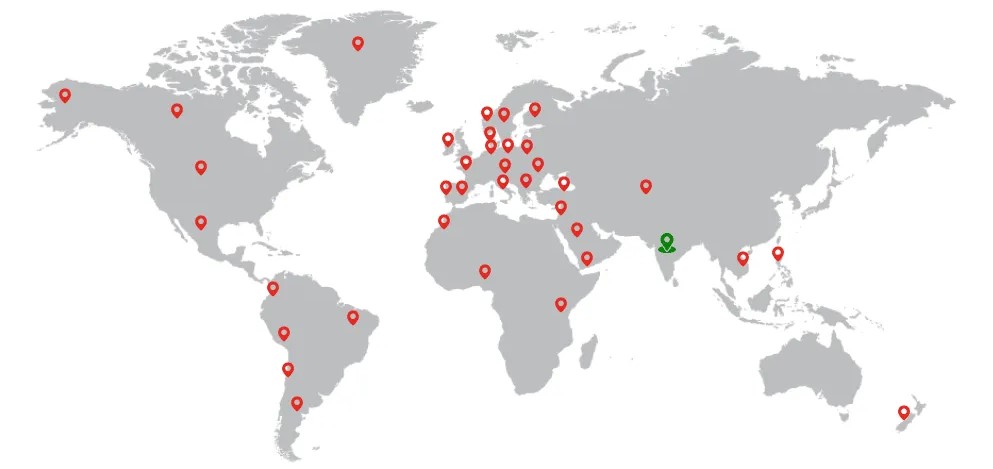
Trusted by Businesses Worldwide for Software Development Partner
We work with businesses looking to build, improve, and scale digital products through tailored software development. From custom web and mobile applications to connected platforms and workflow automation, our focus is on understanding each business’s needs and developing solutions aligned with its goals.
For insurance providers, brokers, agencies, and InsurTech businesses, the right technology can help streamline workflows, improve digital service experiences, and connect business systems.









Projects Delivered
Happy Clients
Countries Served
Years of Experience
How Technology Transforming the Insurance Industry
The insurance industry is evolving as digital technologies reshape how insurers, brokers, and agencies manage policies, process claims, assess risk, and serve policyholders. Modern insurance software development helps businesses move beyond manual processes and disconnected systems toward more connected, efficient, and customer-focused operations.
From digital insurance platforms and mobile applications to cloud-based systems, API integrations, and AI-powered insurance solutions, technology can support faster workflows, improved access to information, and more convenient digital experiences.
At Square Infosoft, we develop custom software solutions tailored to insurance business requirements. Whether you are planning a policy management platform, modernizing claims workflows, building an insurance customer portal, or exploring AI integration, the right technology approach starts with your operational needs, existing systems, and long-term business goals.
As insurance products and customer expectations continue to evolve, scalable and adaptable software can help insurance companies, brokers, agencies, and InsurTech startups respond to changing requirements while creating a stronger digital foundation.

Challenges We Help Solve
Insurance Industry Businesses Challenges We Help Solve
Insurance companies, brokers, and agencies must manage complex policy workflows, growing customer expectations, large volumes of documentation, and multiple connected systems. When existing software cannot support these demands, everyday operations can become harder to manage and digital services more difficult to scale.
Square Infosoft helps businesses address these challenges through custom insurance software development, system integration, web and mobile applications, and workflow automation tailored to their operational requirements.
Manual Insurance Workflows
Relying on spreadsheets, emails, and repetitive data entry can make policy servicing, renewals, document handling, and internal coordination more time-consuming. Custom insurance software can help digitize routine tasks, standardize workflows, and reduce avoidable manual work.
Legacy Insurance Systems and Disconnected Data
Older applications may not integrate easily with newer digital platforms, CRM systems, payment services, or third-party data sources. Insurance software modernization and API integration can help connect systems and support a more consistent flow of information.
Complex Policy Administration and Underwriting
Managing policy issuance, renewals, endorsements, risk information, and underwriting workflows can involve multiple teams and data sources. Custom policy administration and underwriting software can help organize these processes around defined business rules and operational requirements.
Limited Operational Visibility
When reporting data is spread across different systems, teams may find it difficult to monitor workloads, track claims, or review operational trends. Insurance analytics and reporting dashboards can bring selected business information together to support clearer monitoring and informed decisions.
Inefficient Claims Processing
Managing claim submissions, supporting documents, inspections, status updates, and settlement workflows across disconnected tools can make claims operations difficult to coordinate. Insurance claims management software can bring relevant information and workflow steps into a more organized process.
Limited Digital Experiences for Policyholders
Customers increasingly expect convenient ways to access policy information, submit documents, make payments, and check claim progress. Insurance mobile app development and customer portal development can provide digital self-service options aligned with customer and business needs.
Time-Consuming Document Management
Insurance businesses handle applications, policy documents, claim forms, supporting evidence, and other records. Document management software and suitable automation can help organize records, route documents, and make information easier to retrieve. Any automated extraction or classification should be validated according to the use case.
Growing Demand for AI and Automation
Insurance businesses may want to explore AI for document processing, customer support, claims triage, or workflow assistance but need to consider data quality, integration, privacy, and human oversight. AI integration for insurance can be designed around specific use cases, with appropriate review for consequential decisions.
Build Software Around Your Insurance Workflows
The right solution depends on your business model, existing technology, operational bottlenecks, and future plans. Square Infosoft can help you define the requirements for custom insurance software, digital platforms, system integrations, and automation that align with your business needs.
CORE SERVICES
Our Insurance Software Development Services We Provide
Square Infosoft provides software development services for insurance businesses looking to build digital products, modernize existing systems, and improve business workflows. From custom insurance applications and mobile platforms to AI integration, low-code development, and InsurTech MVPs, we tailor the development approach to your business requirements, users, and technical goals.
Whether you are an insurance provider, broker, agency, or InsurTech startup, we can help you plan and develop software around your operational workflows, customer experiences, and integration needs.
Custom Insurance Software Development
Build custom insurance software around your business processes, product requirements, and operational workflows. Solutions can support policy administration, claims management, customer records, document handling, reporting, and internal operations.
Custom insurance software development is suitable for businesses that need functionality tailored to their processes rather than relying entirely on generic software.
Insurance Mobile App Development
Create mobile applications that make insurance services accessible to policyholders, agents, and brokers. Insurance mobile app development can include policy access, premium payments, claim submissions, document uploads, renewal reminders, notifications, and claim status tracking.
We can help define iOS, Android, or cross-platform insurance app development requirements according to your users, features, and integration needs.
Insurance Web Application Development
Develop web-based insurance applications for customers, agents, brokers, administrators, and internal teams. Depending on your requirements, an insurance web application can support online quotations, policy servicing, customer onboarding, claims tracking, document management, and reporting.
Responsive interfaces and role-based functionality can help create accessible digital workflows across different devices and user groups.
Insurance Portal Development
Build insurance customer portals, agent portals, and broker portals that provide relevant information and services through a centralized interface. Features may include policy documents, claim updates, customer records, renewal reminders, commission information, and account management.
Custom insurance portal development can help organize digital interactions while aligning access and functionality with each user's role.
Insurance Policy Administration Software
Develop insurance policy administration software to support policy issuance, renewals, endorsements, policyholder records, and policy servicing workflows. The platform can be designed around your documented business rules, user permissions, and integration requirements.
A custom policy management system can bring related information and activities into a more structured workflow.
Insurance Claims Management Software
Build insurance claims management software to organize claim submissions, supporting documents, inspections, status updates, and review workflows. A claims management platform can provide authorized users with clearer visibility into claim progress and help coordinate information across relevant teams.
Depending on the project, the solution may include first notice of loss (FNOL) workflows, claims tracking, document handling, notifications, and integrations with existing systems.
Insurance Underwriting and Quotation Software
Develop insurance underwriting and quotation applications that support risk information collection, quote generation, premium calculations, application review, and underwriting workflows.
Features can be designed around defined rating rules, business requirements, and available data sources. Decisions involving eligibility, pricing, or risk should include appropriate validation and human oversight where required.
AI Integration and AI-Powered Insurance Application Development
Explore AI-powered insurance applications that support specific operational and customer service needs. Our AI integration and application development services can be applied to use cases such as insurance document processing, customer support, knowledge retrieval, claims triage, and workflow assistance.
Generative AI and machine learning may be suitable for selected use cases depending on the data, business requirements, and evaluation criteria. AI outputs should be validated, and consequential decisions should have appropriate human review.
Generative AI and Insurance Chatbot Development
Develop AI chatbots and virtual assistants to help users find information, navigate services, and get support with common insurance questions. Depending on the use case, a chatbot may draw on approved knowledge sources, answer policy-related queries, guide users through service workflows, or help route requests to the appropriate team.
Generative AI integration should account for answer quality, data permissions, privacy, escalation paths, and the limits of automated responses.
No-Code Insurance App Development
Use no-code app development to prototype suitable insurance applications, validate product ideas, or create selected internal workflows with visual development tools. Potential use cases include basic administrative tools, simple data-entry applications, internal dashboards, and early-stage product concepts.
No-code insurance app development is most appropriate when the required functionality fits the platform's capabilities. Integration complexity, access controls, data sensitivity, customization, and future maintenance should be assessed before choosing this approach.
Low-Code Insurance Application Development
Build selected insurance applications using low-code development platforms, combining visual development with custom code where necessary. Depending on the platform and project requirements, use cases may include internal workflow tools, administrative applications, reporting dashboards, and selected portals.
Low-code insurance software development can support faster iteration for suitable projects, while complex business rules, integrations, and long-term platform constraints should be evaluated during planning.
Vibe Coding and AI-Assisted Development
Use vibe coding and AI-assisted development to explore product ideas, create early prototypes, and test application concepts. These approaches can help teams experiment with interfaces, user journeys, and initial functionality before committing to a broader development effort.
For insurance applications involving sensitive data, complex business logic, or critical workflows, AI-generated code requires technical review, security testing, integration validation, and maintainability checks before production use.
Rapid MVP Development for InsurTech Startups
Turn an insurance product idea into a focused minimum viable product (MVP) built around its essential features. InsurTech MVP development can help startups test assumptions, collect early user feedback, and prioritize the next stage of product development.
Depending on the product, an MVP may use custom development, low-code platforms, no-code tools, or AI-assisted development. The architecture, security, scalability, and maintenance requirements should be considered before moving from prototype to production.
Insurance SaaS and Platform Development
Develop insurance SaaS products and digital platforms designed around a defined business model. Depending on requirements, features may include user management, subscription functionality, administrative dashboards, configurable workflows, reporting, and third-party integrations.
Insurance SaaS development can support InsurTech products, specialized insurance applications, and digital platforms that need a maintainable foundation for future enhancements.
Insurance CRM and Business Workflow Automation
Develop or customize insurance CRM applications and workflow automation solutions to support customer records, lead management, follow-ups, service requests, document routing, internal approvals, and task assignments.
Automation can help coordinate repetitive activities and reduce manual handoffs when workflows are clearly defined. Integration and exception handling should be planned around your existing systems and operational requirements.
Insurance API Development and System Integration
Connect insurance applications with existing business systems and relevant third-party services through API development and system integration. Depending on availability and project scope, integrations may involve CRM platforms, payment gateways, communication services, identity providers, document tools, and external data sources.
Insurance API integration should account for data mapping, access permissions, error handling, reliability, and the technical constraints of the systems involved.
Insurance Software Modernization
Modernize legacy insurance applications when existing systems are difficult to maintain, integrate, or extend. Depending on the assessment, modernization may involve updating interfaces, rebuilding selected modules, improving APIs, migrating data, or connecting existing systems with newer applications.
The right approach depends on your current architecture, system dependencies, business continuity requirements, and migration risks.
Insurance UI/UX Design
Design insurance applications and digital platforms around user needs and business workflows. Insurance UI/UX design can include policyholder journeys, quotation forms, claim submission flows, agent dashboards, responsive interfaces, wireframes, and interactive prototypes.
The goal is to make important information, forms, and actions easier to understand and navigate while aligning the experience with the intended users.
Insurance Analytics and Reporting Dashboards
Develop insurance analytics and reporting dashboards that bring relevant business information into accessible views. Depending on data availability and requirements, dashboards can support claims monitoring, policy reporting, sales activity, operational workloads, and business performance analysis.
Clearly defined metrics and reliable data sources help users interpret reports and make informed operational decisions.
Insurance Marketplace and Digital Distribution Development
Build digital insurance marketplaces and distribution platforms that connect customers, insurance providers, brokers, or other relevant participants. Depending on the business model, features may include insurance product discovery, quotation requests, comparisons, lead management, partner portals, and application workflows.
Product availability, pricing rules, eligibility requirements, and external integrations should be defined according to the intended market and operating model.
Legal Software Development
We develop legal software solutions around the operational requirements of law firms, legal departments, and LegalTech businesses. Our services cover requirements analysis, software architecture, application development, testing, deployment, and ongoing improvements.
Legal Mobile App Development
We build legal mobile applications for iOS and Android to support case updates, client communication, document access, appointment scheduling, notifications, and legal service workflows. Our capabilities include native and cross-platform app development using technologies such as Flutter and React Native where appropriate.
Legal Web Application Development
We develop legal web applications for case management, document handling, client collaboration, legal operations, reporting, and administrative workflows. Solutions can include secure portals, role-based dashboards, workflow tools, and integrations with existing business systems.
Legal SaaS Development
We build LegalTech SaaS platforms for businesses creating subscription-based legal products. Features can include multi-tenant architecture, user and organization management, subscription billing, access controls, dashboards, APIs, analytics, and AI-powered functionality based on product requirements.
AI-Powered Legal Software Development
We develop and integrate AI capabilities into legal applications to support document processing, contract analysis, semantic search, legal knowledge management, document summarization, and workflow automation.
Our AI development capabilities include Generative AI, machine learning, AI chatbots, AI agents, AI integration, and AI-powered application development. AI-generated legal content and analysis should be subject to appropriate professional review.
Legal CRM Development
Our legal CRM development services help organize client information, inquiries, intake workflows, follow-ups, communications, and relationship management. We can connect legal CRM systems with client portals, calendars, document platforms, billing tools, and other relevant applications.
Legal Client Portal Development
We build secure legal client portals for document sharing, case-related updates, messages, appointment information, requests, and other client-facing workflows. Functionality can be designed around the access permissions and communication requirements of each organization.
Legal Marketplace Development
We develop legal marketplace applications that connect users with legal professionals or legal service providers. Depending on the business model, features can include professional profiles, search, appointment booking, messaging, payments, reviews, and administrative management.
Legal Document and Contract Management Software
We develop legal document management systems and contract management applications to organize files, manage document versions, track approvals, and support contract lifecycle workflows. AI-powered document extraction, classification, and analysis can be integrated where suitable.
Legal Workflow Automation
We build legal workflow automation software to coordinate intake, task assignments, approvals, reminders, document preparation, notifications, and reporting. Automated workflows can connect multiple legal applications to reduce repetitive manual administration.
Legal Billing and Time-Tracking Software
We develop legal billing, time-tracking, expense management, and invoicing functionality around your business processes. Solutions can connect time entries and expenses with matters, client records, approval workflows, and financial reporting dashboards.
Legal Research and Knowledge Management Software
We develop legal research and knowledge management applications that organize internal documents, reference materials, case information, and searchable knowledge repositories. Search, filtering, semantic retrieval, and AI-assisted discovery can be incorporated according to the available data and requirements.
Legal API Development and Integration
We develop APIs and integrate legal applications with relevant third-party systems, including e-signature tools, document storage, CRM, accounting and billing platforms, calendars, communication services, identity providers, and analytics tools. Integration feasibility depends on the APIs and permissions available from each provider.
No-Code and Low-Code Legal Application Development
Our No-Code App Development and Low-Code Application Development capabilities can help legal businesses and LegalTech startups validate ideas, develop internal tools, and build selected applications using visual development platforms.
Depending on project requirements, solutions can include:
- No-Code Legal App Development
- Low-Code Legal Software Development
- No-Code LegalTech MVP Development
- Low-Code Legal Application Development
- No-Code Legal Client Portals
- Legal Workflow Automation
- Rapid LegalTech Prototyping
- No-Code and Low-Code App Migration Planning
Platforms such as Bubble, FlutterFlow, Glide, Airtable, Softr, and Zapier can be evaluated for suitable prototypes, workflows, and MVPs.
For complex legal applications involving confidential documents, advanced access controls, audit trails, custom integrations, or large-scale data processing, platform capabilities and security requirements should be assessed before selecting the architecture.
Vibe Coding and AI-Assisted LegalTech Development
Our Vibe Coding and AI-Assisted Development approach can help accelerate selected stages of legal application development, including prototyping, interface creation, feature exploration, and MVP validation.
Depending on the project, suitable tools may include Replit, Lovable, Bolt.new, Cursor, Claude, Google AI Studio, Base44, and Vercel v0.
Potential applications include:
- Vibe Coding for Legal Applications
- AI-Assisted LegalTech Prototyping
- Rapid Legal Software MVP Development
- AI-Assisted Web App Development
- Legal SaaS Prototype Development
- Existing Vibe-Coded Application Review
- AI-Assisted Application Improvement
AI-generated code must still undergo appropriate developer review, testing, architecture assessment, and security checks before production deployment, especially when an application handles sensitive legal information.
Legal Software UI/UX Design
We design user experiences for legal professionals, administrators, clients, and other platform users. Our UI/UX services cover user journeys, information architecture, wireframes, prototypes, interface design, and usability improvements for legal web applications and mobile apps.
Legal Software Modernization
We help businesses improve legacy legal applications through architecture updates, interface improvements, API integration, cloud migration, and data migration planning. The approach depends on the existing system, technical limitations, and business continuity requirements.
Legal Software Testing and Quality Assurance
Our software testing services cover functional testing, API testing, integration testing, mobile and web testing, regression testing, performance testing, usability testing, and security testing. Testing is planned around critical workflows, document handling, access permissions, integrations, and application requirements.
Legal Software Maintenance and Support
We provide ongoing legal software maintenance to support updates, bug fixes, performance improvements, compatibility changes, security improvements, new features, and third-party integrations. Support requirements can be defined around the application's architecture and operational needs.
Build Your Next Insurance Software Solution
Whether you need a custom insurance platform, mobile application, AI-powered workflow, low-code MVP, or modernized legacy system, the development approach should fit your business requirements and long-term goals.
RESULTS AND CASE STUDIES
Our Software Development Success Stories Across Digital Products
Explore Square Infosoft’s software development portfolio to understand how our team approaches digital product development, mobile applications, web platforms, and scalable software solutions. Our experience across different industries demonstrates our capabilities in application engineering, user experience design, integrations, and product development.

What Our Clients Say
What Our Clients Say About Working With Us


Kreg Thornley
Marketing Director, Alchemy Spetec Tucker, Georgia, United States
James Guttman
San Francisco, California, United StatesBusiness Types We Serve
Insurance Businesses We Serve with Custom Software Development
Every insurance business has different operational workflows, customer expectations, and technology requirements. Square Infosoft develops custom software solutions tailored to the needs of insurance companies, intermediaries, and InsurTech businesses from digital insurance applications and customer portals to policy management platforms, workflow automation, and AI integration.
Whether you are building a new insurance product or improving an existing system, our approach focuses on your business model, users, and software requirements.
Insurance Companies and Carriers
Custom insurance software development can support insurers looking to improve policy administration, claims management, customer service, reporting, and internal workflows. Solutions can be tailored to existing systems and operational requirements.
Life Insurance Providers
Life insurance software solutions can support policy management, application processing, policyholder services, renewals, document workflows, and customer portals.
Health Insurance Providers
Health insurance software development can support member portals, policy administration, claims workflows, document management, and integrations with relevant external systems, depending on the business model and project scope.
Property and Casualty Insurance Companies
Property and casualty (P&C) insurance software can support policy servicing, underwriting workflows, claims handling, risk information management, and reporting for businesses offering property and casualty coverage.
Auto and Motor Insurance Providers
Auto insurance software solutions can support quotation workflows, policy management, claims submissions, inspection coordination, document handling, and customer-facing mobile applications.
Travel Insurance Providers
Travel insurance applications can support digital policy purchases, policy document access, customer enquiries, claims submissions, and status tracking, based on product requirements and available integrations.
Commercial Insurance Providers
Commercial insurance software can help organize business customer information, quotation requests, policy administration, broker workflows, document handling, and claims-related processes.
Insurance Agencies and Independent Agents
Insurance agency software can support lead management, customer records, policy servicing, follow-ups, renewals, and day-to-day administrative workflows. Custom applications can be designed around the needs of agency teams and their customers.
Insurance Brokers and Brokerages
Insurance broker software development can support customer and policy information, quotation workflows, client portals, document management, commission tracking, and connections with relevant systems.
Managing General Agents (MGAs)
MGA software solutions can support delegated underwriting workflows, policy administration, distribution relationships, reporting, and integrations with relevant insurer and broker systems, depending on the operating model.
Third-Party Administrators (TPAs)
TPA software development can support case management, claims administration workflows, document handling, reporting, and communication between authorized stakeholders.
Reinsurance Businesses
Reinsurance software solutions can be designed to support contract and record management, data exchange, reporting, and related operational workflows, based on the organization’s requirements.
InsurTech Startups
InsurTech software development can help startups create digital insurance products, customer-facing applications, SaaS platforms, and marketplace concepts. MVP development can help validate essential functionality before a broader product investment.
Depending on the project, custom development, AI integration, low-code, no-code, or AI-assisted development may be considered.
Insurance Aggregators and Digital Marketplaces
Insurance aggregator software can support product discovery, quotation requests, comparison workflows, lead management, partner portals, and integrations with relevant providers. The required functionality depends on the marketplace model and available data sources.
Embedded Insurance and Digital Distribution Businesses
Businesses incorporating insurance into a broader digital journey may need embedded insurance platforms, API integrations, partner workflows, and digital application experiences. Software requirements should reflect the distribution model, provider integrations, and applicable business obligations.
Let's Discuss Your Insurance Software Requirements
From insurance carriers and brokers to emerging InsurTech startups, the right solution begins with understanding your business model and technology goals.
Solutions
Custom Insurance Software Solutions for Modern Insurance Businesses
Insurance businesses need technology that supports policy management, claims processing, underwriting, customer service, and digital distribution. Square Infosoft develops custom insurance software solutions designed around business workflows, user needs, and existing technology environments.
From insurance policy administration systems and claims management platforms to AI-powered applications, customer portals, and InsurTech products, solutions can be tailored to your operational requirements, integration needs, and long-term goals.
Insurance Policy Administration Solutions
Organize policy issuance, renewals, endorsements, policyholder records, and servicing workflows through custom insurance policy administration software. A policy management solution can bring related information and tasks into a structured system based on your business rules and operational processes.
Features: Policy records, renewal reminders, document access, status tracking, role-based access, and integration with related business systems.
Insurance Claims Management Solutions
Coordinate claim submissions, supporting documents, inspections, reviews, and status updates through insurance claims management software. A digital claims solution can help organize claim information and provide relevant teams with visibility into workflow stages.
Features: First notice of loss (FNOL), claim registration, document uploads, claim status tracking, task assignment, notifications, and reporting dashboards.
Insurance Underwriting and Risk Assessment Solutions
Support underwriting workflows with software for collecting application details, organizing risk information, applying defined business rules, and managing reviews. Insurance underwriting software can be tailored to the products, data sources, and decision processes used by your business.
Features: Application intake, risk data collection, rules-based assessments, quotation workflows, document review, and decision tracking.
Insurance Quotation and Premium Calculation Solutions
Develop insurance quoting software to support quote requests, product selection, premium calculations, and quotation management. The solution can reflect documented rating rules and integrate with relevant product, customer, or policy systems where supported.
Features: Quote forms, configurable rating rules, premium estimates, quote comparison, application handoff, and quote status tracking.
Insurance Customer Self-Service Portals
Give policyholders a convenient way to access insurance services through a customer portal or web application. Digital self-service functionality can help customers find policy information and complete selected tasks without relying entirely on manual communication.
Features: Customer accounts, policy documents, claim submissions, payment access, renewal information, service requests, and claim progress updates.
Insurance Agent and Broker Management Solutions
Support insurance distribution teams with software designed for agent and broker workflows. An insurance agent portal or broker management platform can centralize customer information, quotation activity, policy servicing, and selected administrative tasks.
Features: Customer records, lead tracking, quotation workflows, policy information, renewal follow-ups, commission records, and role-based dashboards.
Insurance Billing and Payment Solutions
Organize premium collection, payment tracking, billing records, and related workflows through custom insurance billing software. Payment functionality can be connected with suitable payment gateways or financial systems, depending on provider capabilities and integration requirements.
Features: Premium payment workflows, invoices, payment status, receipts, reminders, reconciliation records, and payment integrations.
Insurance Document Management Solutions
Manage insurance applications, policy documents, claim forms, supporting evidence, and business records through document management software. Document workflows can help organize storage, retrieval, permissions, and review activities.
Features: Document upload, categorization, search, access permissions, version tracking, approval workflows, and integrations with other applications.
Insurance CRM and Workflow Automation Solutions
Bring customer management and repetitive operational activities into more structured digital workflows. Insurance CRM development and workflow automation can support lead management, customer follow-ups, service requests, renewals, internal approvals, and task routing.
Features: Customer profiles, interaction histories, follow-up reminders, workflow rules, task assignments, notifications, and reporting.
AI-Powered Insurance Solutions
Apply AI where it can support a defined insurance business need. AI-powered insurance software may assist with document classification, information extraction, knowledge retrieval, customer support, claims triage, or selected underwriting workflows.
Features: AI document processing, insurance chatbots, knowledge assistants, generative AI integration, workflow assistance, and AI-supported information analysis.
The suitability of each use case depends on data quality, evaluation, privacy requirements, and system integration. Consequential insurance decisions should have appropriate validation and human oversight.
Insurance Analytics and Reporting Solutions
Bring relevant insurance business information into dashboards and reports that support operational monitoring and analysis. Insurance analytics software can help teams review selected metrics across claims, policies, sales activity, and service workflows.
Features: Claims dashboards, policy reports, operational metrics, trend analysis, workload monitoring, and configurable reporting.
Insurance Fraud Detection and Risk Analytics
Explore analytics and machine learning approaches to help identify unusual patterns or potential risk indicators in insurance data. Fraud analytics solutions should be designed around suitable data sources, defined evaluation criteria, and review processes.
Features: Anomaly indicators, suspicious-pattern analysis, claims data analysis, risk dashboards, and alerts for further investigation.
Analytical flags are not proof of fraud and should not replace appropriate investigation or decision-making procedures.
Insurance SaaS and InsurTech Platforms
Build digital insurance products for new business models, specialized workflows, or technology-enabled distribution. Insurance SaaS development can support configurable applications, user management, administration, reporting, and integrations according to product requirements.
Features: User roles, administrative dashboards, configurable workflows, subscription functionality where applicable, APIs, and product management tools.
Insurance Marketplace and Embedded Insurance Solutions
Create insurance marketplaces and digital distribution platforms that connect users with relevant insurance products or providers. Embedded insurance solutions can integrate insurance-related journeys into broader digital products, depending on the business model and provider arrangements.
Features: Product discovery, quote requests, comparison workflows, partner portals, lead management, API connectivity, and application handoff.
Insurance System Integration and Modernization Solutions
Connect existing insurance applications or improve legacy systems that no longer meet evolving business requirements. Insurance system integration and modernization may involve API development, data migration, interface improvements, replacement of selected modules, or connections between older and newer platforms.
Features: API connectivity, data synchronization, system migration, integration monitoring, updated interfaces, and staged modernization.
No-Code, Low-Code, and Rapid MVP Solutions for Insurance
Explore no-code, low-code, and AI-assisted development for suitable insurance prototypes, internal tools, and early-stage product concepts. These approaches can help teams test selected workflows before deciding whether to expand or rebuild the solution using a different architecture.
Features: Workflow prototypes, internal dashboards, proof-of-concept applications, MVP interfaces, and selected administrative tools.
Vibe coding and AI-assisted development may support early experimentation, but generated code and prototypes require technical review, security testing, and production-readiness assessment before being used for sensitive insurance workflows.
Find the Right Insurance Software Solution for Your Business
The best insurance software solution depends on your business model, existing systems, users, and operational priorities. Square Infosoft can help define a suitable development approach for a new insurance product, a specific workflow, or an existing platform that needs improvement.
AI Solution’s
AI-Powered Insurance Software Development Solutions
Artificial intelligence is creating new opportunities for insurance businesses to improve digital services, organize information, and support complex workflows. With AI integration for insurance, businesses can explore applications such as document processing, customer support, claims triage, knowledge retrieval, and data analysis.
Square Infosoft develops software solutions tailored to business requirements, including AI-powered applications and intelligent workflow features. The right approach depends on your insurance processes, data availability, existing systems, and the level of human oversight each use case requires.
AI-Powered Insurance Claims Processing
Insurance claims often involve forms, supporting documents, status updates, and multiple review stages. AI-powered claims processing can help organize incoming information and assist with selected repetitive tasks.
Potential capabilities include document classification, information extraction, claim summarization, and routing claims to the appropriate workflow. Extracted information and AI-generated recommendations should be validated before they influence claim decisions.
AI Document Processing for Insurance
Insurance businesses handle policy documents, claim forms, applications, invoices, and supporting records. AI document processing can help extract relevant information, classify documents, and make selected records easier to search and review.
Depending on the use case, solutions may combine optical character recognition (OCR), document extraction, language models, and validation rules. Accuracy should be evaluated against representative documents and real operating conditions.
Generative AI for Insurance Applications
Generative AI can support insurance applications that need to interpret information, summarize documents, answer questions, or help users navigate internal knowledge.
Potential use cases include policy information assistants, document summarization, internal knowledge search, and support for insurance service teams. These applications should use appropriate data permissions and reliable information sources, with safeguards against inaccurate or unsupported answers.
AI Insurance Chatbots and Virtual Assistants
AI chatbot development can help insurance businesses provide digital assistance for common questions and service workflows. Depending on the integration, an insurance chatbot may guide users to relevant information, explain service steps, help locate policy documents, or route enquiries to a human representative.
A well-designed solution should distinguish general guidance from policy-specific decisions and provide a clear escalation path when an enquiry requires human assistance.
AI-Assisted Insurance Underwriting
AI and machine learning can support selected underwriting workflows by helping organize application information, summarize submitted documents, and identify patterns for further review.
An AI-assisted underwriting solution may bring together relevant data and present decision-support information to authorized underwriters. Model performance, data quality, explainability, fairness, and applicable requirements should be assessed before using AI in consequential underwriting decisions.
AI-Powered Insurance Fraud Analytics
Machine learning and data analytics can help identify unusual patterns or potential risk indicators in insurance claims and related records. AI-powered fraud analytics may help investigators prioritize cases for further examination.
Potential capabilities include anomaly detection, pattern analysis, risk indicators, and investigation dashboards. An alert is not proof of fraud; findings require appropriate investigation and review.
AI-Powered Customer Service and Personalization
AI integration can help insurance businesses organize customer enquiries, provide relevant information, and support personalized digital experiences where appropriate data and permissions are available.
Potential applications include enquiry classification, service recommendations, customer support assistants, and routing requests to the right team. Personalization should respect privacy requirements and avoid using sensitive information inappropriately.
AI for Insurance Workflow Automation
AI can be combined with workflow automation to assist with tasks such as document routing, enquiry classification, information extraction, and internal task preparation.
For example, an application could identify the type of an incoming document, extract selected fields, and send the information to a review queue. Business rules, exception handling, auditability, and human review should be incorporated where the workflow requires them.
Machine Learning and Insurance Predictive Analytics
Machine learning can help analyze historical data and identify patterns that may support operational planning and business analysis. Depending on data availability and the intended use, insurance predictive analytics may be explored for workload forecasting, claims trend analysis, or other defined analytical tasks.
Models should be evaluated against appropriate data and performance criteria. Predictions should be treated as estimates rather than guaranteed outcomes.
AI Knowledge Assistants for Insurance Teams
Insurance teams may need to search across approved internal documents, product information, process guides, and knowledge resources. An AI knowledge assistant can help users retrieve relevant information and generate summaries from permitted sources.
Potential capabilities include natural-language search, source-linked answers, document summarization, and internal support workflows. Access controls, source quality, answer evaluation, and appropriate handling of confidential information are essential design considerations.
AI Integration with Existing Insurance Software
Businesses do not always need to replace their existing insurance platforms to explore AI. AI integration can add selected capabilities to existing web applications, mobile apps, portals, CRM systems, or workflow tools, depending on the system architecture and available interfaces.
The integration process should consider API availability, data access, system reliability, security, monitoring, and how AI outputs will be reviewed and used within existing workflows.
AI-Powered Insurance MVP Development
InsurTech startups and established insurance businesses can explore AI-powered MVP development to test a focused use case before investing in a larger product. An initial version might demonstrate a document assistant, customer support chatbot, internal knowledge search, or another narrowly defined workflow.
AI-assisted development, rapid prototyping, and suitable no-code or low-code tools may help explore early concepts. However, prototypes require technical validation, security testing, data governance, and production-readiness planning before they are used with real insurance data or critical operations.
Tech Stack
Technology Stack for Insurance Software Development
Choosing the right technology stack is an important part of building secure, maintainable, and scalable insurance software. The right combination depends on your application requirements, user experience, existing systems, integration needs, and long-term product roadmap.
Square Infosoft can plan technology choices around the requirements of custom insurance software, web and mobile applications, cloud-based platforms, API integrations, and AI-powered insurance solutions.
Technologies for insurance mobile apps, policyholder experiences, claims submissions, agent tools, and digital insurance services.
Frontend technologies for insurance web applications, policyholder portals, agent dashboards, broker platforms, and insurance SaaS products.
Backend technologies for insurance policy administration, claims workflows, quoting, billing, authentication, and system integrations.
Database options for insurance policy records, claims data, customer information, documents, billing, and application analytics.
Cloud and DevOps options for deploying, monitoring, and maintaining insurance applications, portals, APIs, and SaaS platforms.
AI technologies for insurance document processing, claims triage, customer support, knowledge retrieval, and insurance workflow automation.
Insurance applications can integrate with external platforms when APIs, permissions, licensing, and provider access are available.
Specific insurance platforms and data providers should be confirmed during discovery. Integration availability depends on provider APIs, permissions, licensing, and account access.
Security controls for insurance applications handling personal information, policy records, claims documents, payment data, and sensitive business information.
The appropriate controls depend on the product's risk profile, data-handling requirements, and applicable regulations. Implementing security features alone does not guarantee compliance.
Quality assurance for insurance applications, policy and claims workflows, integrations, user permissions, and AI-assisted features.
For suitable insurance app prototypes, internal workflows, and early-stage InsurTech MVPs, these tools may be evaluated against product needs and data-handling requirements.
No-Code and Low-Code Platforms
AI-Assisted Development and Vibe Coding
Tool suitability depends on the project's complexity, data sensitivity, integrations, and expected scale. Production insurance software needs appropriate code review, testing, security assessment, and production-readiness checks.
The technology stack is selected according to project requirements. Not every technology, tool, or integration is required for every insurance software product.
DEVELOPMENT PROCESS
Our Insurance Software Development Process
We follow a structured insurance software development process to help businesses turn complex insurance workflows into practical, scalable digital solutions. From initial discovery and requirements gathering to design, development, testing, and deployment, each stage focuses on business needs, user experience, system integration, and long-term maintainability.
Step 1: Discovery and Requirements Analysis
We start by understanding your insurance business, target users, operational workflows, and product goals. This helps define the scope of your insurance software development project around actual business requirements.
Our activities include:
Deliverable: A documented project scope, prioritized requirements, and initial development roadmap.
Step 2: Solution Architecture and Technology Planning
We plan the technical foundation for your insurance application, whether you are developing insurance software, a insurance CRM, a customer or agent portal, or a InsurTech SaaS platform.
Our activities include:
Deliverable: A proposed technical architecture, integration plan, and technology roadmap.
Step 3: UI/UX Design and Prototyping
We design insurance software interfaces around the needs of insurance professionals, clients, administrators, and operations teams. The goal is to make policy information, claims tasks, documents, and operational workflows easier to navigate.
Our activities include:
Deliverable: Approved UI/UX designs and an interactive prototype where appropriate.
Step 4: Insurance Software and InsurTech Development
Our developers build the agreed features for your insurance software solution, from a insurance mobile app or web application to a connected insurance management system or SaaS product.
Our activities include:
For suitable projects, we can also evaluate no-code insurance app development, low-code InsurTech prototyping, and AI-assisted coding for rapid MVP development. More complex products may require a custom architecture.
Deliverable: Working software increments aligned with the approved scope and requirements.
Step 5: AI Development and Insurance Software Integration
When AI is part of the project, we assess the use case, available data, integration requirements, and appropriate evaluation methods. AI capabilities can support document workflows and information retrieval while keeping insurance professionals involved in consequential decisions.
Our activities include:
Deliverable: Required AI features and integrations implemented and evaluated against agreed criteria.
AI output should be reviewed where accuracy, confidentiality, legal interpretation, or client decisions are involved.
Step 6: Quality Assurance and Security Testing
We test insurance software to validate functionality, integrations, user permissions, policy and claims workflows, document handling, and agreed acceptance criteria. Security considerations are addressed throughout development, with testing tailored to the application's risks and requirements.
Our activities include:
Deliverable: Test results, documented issues, and a release-readiness assessment.
Testing supports product quality but does not, by itself, establish compliance with every applicable legal or regulatory requirement.
Step 7: Deployment and Product Launch
After the agreed testing and release checks, we prepare your insurance application for deployment. The launch process depends on your hosting environment, integrations, policy or claims data migration needs, and target users.
Our activities include:
Deliverable: A deployed insurance software application or agreed release ready for operational use.
Step 8: Maintenance and Continuous Improvement
After launch, we can support your insurance software as policy and claims workflows, user needs, integrations, and technology requirements evolve. Ongoing improvements can help keep the product aligned with your business priorities.
Our activities include:
Deliverable: An ongoing improvement plan based on product performance and business requirements.
WHY CHOOSE US
Why Choose Square Infosoft for Insurance Software Development?
Choosing the right insurance software development partner is important when building digital insurance products, modernizing legacy workflows, or improving customer and agent experiences. Square Infosoft can help businesses plan and develop software solutions around their operational requirements, target users, and long-term product goals.
Solutions Tailored to Insurance Workflows
Every insurance business has different processes for policy management, claims, underwriting, billing, and customer service. We focus on understanding your requirements to shape software around your workflows rather than relying on a one-size-fits-all approach.
Web and Mobile Application Development
Build digital experiences for policyholders, agents, brokers, claims teams, and administrators. Depending on your project scope, this may include insurance web applications, mobile apps, customer portals, agent dashboards, and administrative systems.
AI Integration for Practical Use Cases
AI can support selected insurance workflows, including document processing, customer support, information retrieval, and claims-related tasks. We can help assess where AI integration may be appropriate, with attention to output evaluation, data handling, and human oversight for consequential decisions.
Integration with Existing Systems
Insurance platforms often need to exchange information with payment providers, CRM systems, document services, policy administration tools, and third-party APIs. We consider integration requirements during planning to help your software work within the wider technology environment.
MVP Development and Rapid Prototyping
For startups and businesses validating a new InsurTech idea, an MVP or interactive prototype can help test core workflows before investing in a broader platform. Depending on the use case, development options may include custom coding, suitable low-code or no-code tools, and AI-assisted development approaches.
Focus on Usability and Workflow Efficiency
Insurance applications can involve complex data, multiple user roles, and detailed processes. We prioritize clear navigation, practical dashboards, and straightforward user journeys to help make essential tasks easier to understand and complete.
Scalable and Maintainable Technical Foundations
We consider architecture, data management, API design, deployment requirements, and future enhancements when planning an insurance software solution. The right technical approach depends on the product’s complexity, expected usage, integration needs, and business objectives.
Development Aligned with Your Project Goals
From initial discovery and UI/UX design to development, testing, and deployment, the process should be guided by agreed requirements and priorities. Project scope, deliverables, timelines, support, and responsibilities should be clarified before development begins.
FAQ’s
Frequently Asked Questions About Insurance Software Development
What is insurance software development?
Insurance software development involves designing and building digital applications that support insurance operations, such as policy administration, claims processing, underwriting, billing, customer service, and agent management. Solutions can include web applications, mobile apps, portals, workflow automation, and integrated insurance platforms.
What types of insurance software can Square Infosoft help develop?
Depending on project requirements and confirmed service capabilities, solutions may include custom insurance management systems, policy administration software, claims management applications, insurance mobile apps, customer portals, agent and broker platforms, billing systems, and InsurTech products.
How much does custom insurance software development cost?
The cost depends on the project’s scope, features, user roles, integrations, security requirements, technology choices, and ongoing support needs. A focused MVP will generally have different requirements from a comprehensive insurance platform. A project assessment can help define the scope and estimate the investment.
How long does it take to develop insurance software?
The timeline depends on product complexity, feature priorities, integrations, data migration, testing, and stakeholder availability. A prototype or focused MVP may require less time than a full insurance management platform. Timelines should be established after requirements and dependencies are reviewed.
Can you develop custom insurance mobile apps?
Insurance mobile app projects can be planned for policyholders, insurance agents, brokers, or internal teams. Depending on the requirements, features may include account access, policy information, document uploads, claim submissions, notifications, payments, and support requests.
Can insurance software integrate with existing systems?
Yes, integration can be part of the project scope. Depending on available APIs and system access, insurance applications may connect with policy administration platforms, CRM systems, payment gateways, document management services, billing tools, and third-party insurance APIs. Integration feasibility must be assessed for each system.
How can AI improve insurance software?
AI can support selected workflows, including document extraction, claims triage, customer support chatbots, knowledge retrieval, fraud-risk analysis, and underwriting assistance. Results depend on data quality, use-case design, testing, and integration. Human review is important when AI outputs could affect coverage, pricing, claims decisions, or customers’ rights.
Can you build AI-powered insurance software?
AI features can be considered as part of a custom insurance application or an existing system integration. Possible use cases include generative AI assistants, document processing, intelligent search, and workflow automation. The appropriate approach depends on business goals, data access, privacy needs, and the level of accuracy required.
Can I build an insurance MVP using no-code or low-code tools?
No-code and low-code platforms may be suitable for validating selected workflows, building prototypes, or launching a limited-scope MVP. However, products that require complex integrations, detailed access controls, high transaction volumes, or demanding security requirements may need custom development or a hybrid approach. Tool suitability should be evaluated before choosing a platform.
Can you modernize an existing insurance application?
Application modernization may involve updating the user interface, improving selected workflows, integrating APIs, restructuring components, or migrating parts of a legacy system. The recommended approach depends on the existing architecture, technical constraints, business continuity needs, and migration risks.
How do you approach security in insurance software development?
Security requirements should be considered throughout planning, design, development, testing, and deployment. Depending on the project, this may include access controls, secure authentication, data protection, audit logging, vulnerability testing, and secure API design. Applicable legal, privacy, and regulatory obligations must be identified and validated for the specific business and jurisdiction.
Do you provide ongoing maintenance and support?
Maintenance and support can be defined as part of the engagement. Depending on the agreed scope, ongoing work may include bug fixes, technical updates, performance improvements, integration maintenance, and new features. Support availability, response expectations, and responsibilities should be confirmed in the project agreement.
What information should I prepare before starting an insurance software project?
It helps to outline your business goals, target users, core workflows, must-have features, existing systems, required integrations, preferred launch timeline, and budget range. If available, share process diagrams, sample screens, or product requirements. These details help establish a practical scope and development roadmap.
How do I get started with Square Infosoft?
Start by describing the insurance product or workflow you want to improve, the users it will serve, and the main problems you need to solve. Square Infosoft can then discuss the requirements and determine the appropriate next steps based on project scope and service fit.
Let’s Discuss Your Insurance Software Solution
Looking to modernize insurance operations, streamline claims processing, improve policyholder experiences, or launch a new InsurTech product? Square Infosoft can discuss your requirements and help you explore an appropriate software development approach.
Tell Us About Your Insurance Software Project

