
UI/UX Design Services for Mobile Apps, Websites, SaaS & Enterprise Products That Users Love to Use
Great products are not built on functionality alone; they succeed because users can navigate them effortlessly, complete tasks confidently, and enjoy every interaction.
At Square Infosoft, we provide UI/UX design services, mobile app design services, website design services, web application design, SaaS product design, dashboard design, and enterprise UX design that transform complex ideas into intuitive digital experiences. From user research and wireframing to interactive prototypes, scalable design systems, and developer-ready handoff, we create interfaces that improve usability, increase engagement, strengthen customer trust, and support measurable business growth.
Whether you’re launching a startup MVP, redesigning an existing application, modernizing enterprise software, or building an AI-powered platform, our product design specialists deliver responsive, accessible, and conversion-focused experiences that work seamlessly across web, mobile, tablet, and desktop.
UI/UX Projects Delivered
Industries Served Worldwide
Years of Design Experience
Custom UI/UX Design Approach
Global Clients Trusted Us
Client Satisfaction Rate
- Agile & Research-Driven Design Process
- Mobile-First & Responsive UI Expertise
- Human-Centered User Experience Strategy
- Scalable Designs for Startups & Enterprises
TRUSTED CLIENT’S
Our Trusted by Product Teams at Forward-Thinking Companies









Introduction
What Our UI/UX Design Services Deliver for Modern Digital Products
Today’s users expect digital products to be fast, intuitive, visually engaging, and effortless to navigate. Whether they’re using a mobile application, business website, web application, SaaS platform, enterprise software, customer portal, or AI-powered product, even small usability issues can reduce engagement, lower conversions, and increase customer churn.
WHY UI/UX MATTERS
At Square Infosoft, we design user experiences that help businesses simplify complex workflows, improve accessibility, strengthen brand perception, and create seamless interactions across every screen. Our team combines UX strategy, user research, interface design, usability testing, interactive prototyping, and scalable design systems to deliver digital experiences that are built for both users and business growth.
- Launch products faster with validated user flows and reduced guesswork.
- Increase customer trust through intuitive, consistent interfaces.
- Improve conversion rates across websites, apps, and onboarding flows.
- Reduce redesign and development costs by catching usability issues in prototypes.
- Build scalable design systems that support future product growth.
- Deliver consistent experiences across mobile, web, desktop, and AI-powered platforms.
UI/UX Challenges Businesses Face & How We Solve Them
Common UI/UX Design Challenges We Solve for Mobile Apps, Websites, SaaS & Enterprise Software
Even the most powerful digital products can struggle when the user experience is unclear, inconsistent, or difficult to navigate. Whether it’s a mobile app, website, web application, SaaS platform, enterprise dashboard, or AI-powered solution, poor UI/UX often leads to lower engagement, reduced conversions, frustrated users, and increased development costs.
At Square Infosoft, we identify usability bottlenecks, simplify complex workflows, and design intuitive digital experiences that help businesses improve product adoption, customer satisfaction, and long-term growth.
Our UI/UX Design Services
Common Our UI/UX Design Services: Complete Product Design Solutions for Every Digital Experience
Every successful digital product begins with a clear understanding of its users, business goals, and technical ecosystem. At Square Infosoft, we offer end-to-end UI/UX design services that help businesses create intuitive, scalable, and conversion-focused digital experiences across every platform.
Whether you’re launching a new product, redesigning an existing application, modernizing enterprise software, or validating an MVP, our designers combine user-centered thinking with business strategy to build experiences that users enjoy and businesses can confidently scale.
Our expertise spans mobile app design services, website design services, web application design, SaaS product design, enterprise software design, dashboard design, customer portal design, eCommerce UX, AI product interfaces, and complete digital product design solutions.
Mobile App Design Services
Create intuitive, high-performing mobile experiences for Android, iOS, Flutter, React Native, and cross-platform applications. We design user journeys that improve onboarding, engagement, retention, and long-term customer satisfaction.
- Android, iOS, Flutter & React Native apps
- Cross-platform & MVP applications
- Consumer & enterprise mobile apps
- Better engagement, retention & onboarding
Website Design Services
Design responsive, visually engaging, and conversion-focused websites that strengthen your brand and help visitors become customers. Every website is optimized for usability, accessibility, performance, and business growth.
- Corporate, business & marketing websites
- Landing pages & website redesigns
- Increased lead generation
- Better conversion rates & credibility
Web Application Design Services
Design intuitive web applications that simplify complex workflows and improve productivity for administrators, employees, customers, and business teams.
- Customer, vendor & admin portals
- Internal business systems
- Simplified workflows & higher productivity
- Reduced training time
SaaS Product Design
Design scalable SaaS platforms that balance simplicity with powerful functionality. From onboarding to subscription management and analytics dashboards, we create experiences that improve activation and reduce customer churn.
- B2B & B2C SaaS platforms
- CRM, ERP & HRMS solutions
- Higher activation & feature adoption
- Reduced churn & better retention
Enterprise Software Design
Enterprise products require interfaces that support complex workflows without overwhelming users. We create scalable enterprise experiences that improve operational efficiency while maintaining consistency across departments.
- ERP, CRM & HR management systems
- Logistics, healthcare & financial software
- Streamlined operations & productivity
- Faster task completion, lower friction
Dashboard & Analytics Design
Transform complex data into meaningful visual experiences through dashboards that support faster analysis, better reporting, and confident business decision-making.
- Analytics & executive dashboards
- KPI monitoring & reporting systems
- Faster decision-making
- Clearer data visualization & insights
eCommerce UX Design
Create seamless shopping experiences that help customers discover products, complete purchases, and return with confidence. Every interaction is designed to reduce friction and improve conversions.
- Shopify, WooCommerce & marketplaces
- B2B commerce & D2C brands
- Higher conversion, lower cart abandonment
- Better shopping experiences & loyalty
AI Product & Conversational Interface Design
Design intuitive interfaces for AI-powered products that help users understand, trust, and effectively interact with intelligent systems. From conversational interfaces to AI dashboards, we make advanced technology feel approachable.
- AI applications, agents & chatbots
- Conversational interfaces & AI dashboards
- Improved AI adoption & user trust
- Simplified AI workflows
Product Design Services
Turn ideas into market-ready digital products through strategic product design that aligns business objectives, user expectations, and technical feasibility.
- Startup MVPs & digital products
- Product redesign & modernization
- Faster product validation
- Stronger product-market fit
UX Audit & Usability Review
Identify usability issues, friction points, accessibility gaps, and conversion barriers that impact product performance. Our UX audits provide actionable recommendations backed by research and behavioral analysis.
- Mobile apps, websites & SaaS platforms
- Enterprise software & eCommerce stores
- Higher usability, reduced bounce rates
- Better task completion & satisfaction
UI Modernization & Product Redesign
Refresh outdated interfaces with modern design patterns, improved accessibility, consistent branding, and scalable design systems while preserving core business functionality.
- Legacy applications & existing websites
- SaaS products & enterprise platforms
- Modern experience & increased confidence
- Better accessibility & scalability
Design Systems & UI Component Libraries
Build scalable design systems that improve collaboration between designers and developers while ensuring consistency across products, teams, and future releases.
- Enterprise & multi-product organizations
- Growing design teams & product ecosystems
- Faster design iterations
- Consistent experiences, better collaboration
Ready to Design a Product Your Users Will Love?
Whether you’re building a new mobile app, redesigning a website, launching a SaaS platform, or modernizing enterprise software, our UI/UX specialists are ready to help you create intuitive, scalable, and business-focused digital experiences.
Exceptional UI/UX Design
How We Deliver Exceptional UI/UX Design Experiences
Exceptional digital products don’t happen by chance. They result from a structured design process that combines research, strategy, usability principles, visual craftsmanship, accessibility standards, and continuous validation.
At Square Infosoft, every engagement follows a proven methodology refined across projects for startups, growing businesses, and enterprise organizations. Rather than applying a generic design template, we adapt our approach to your users, business objectives, product complexity, and technical ecosystem.
Each capability below represents a specialized discipline within our UI/UX practice, working together to create intuitive, scalable, and developer-ready digital experiences.
UX Research & Strategy
Purpose: Understand users before making design decisions.
Every successful product starts with evidence, not assumptions. Before designing screens or defining interactions, we uncover how users think, behave, and make decisions. This research helps align business objectives with real user expectations, reducing risk and creating a stronger product foundation.
Wireframing & Information Architecture
Purpose: Organize information before designing interfaces.
A well-structured product enables users to complete tasks naturally, without confusion or unnecessary effort. Our information architecture and wireframing process establishes the blueprint that guides navigation, content hierarchy, and user flows before visual design begins.
Interactive Prototyping
Purpose: Validate ideas before development begins.
Interactive prototypes simulate how users will navigate and interact with your product, allowing stakeholders to validate workflows, identify usability issues, and gather feedback before development starts. This reduces costly revisions and helps teams move forward with greater confidence.
Visual UI Design
Purpose: Transform product strategy into intuitive digital interfaces.
Once the structure is validated, our designers create visually engaging interfaces that strengthen usability, reinforce your brand, and guide users toward meaningful actions. Every interface is designed for clarity, consistency, accessibility, and responsiveness across devices.
Design System Development
Purpose: Build consistency that scales with your product.
As products evolve, consistency becomes essential. Design systems create a shared language between designers and developers, making it easier to maintain quality, accelerate feature development, and deliver a cohesive user experience across every release.
UX Audit & Usability Review
Purpose: Identify experience issues before they affect business growth.
If users struggle to complete tasks, abandon workflows, or frequently contact support, the underlying issue is often usability rather than functionality. Our structured UX audits uncover friction points, prioritize improvements, and provide a roadmap for measurable optimization.
Motion Design & Microinteractions
Purpose: Improve usability through meaningful interaction feedback.
Motion design is more than visual polish; it helps users understand system responses, navigate interfaces confidently, and complete tasks with fewer mistakes. Well-designed microinteractions create smoother, more intuitive product experiences.
Accessibility-First UI Design
Purpose: Create inclusive experiences that work for every user.
Accessibility is an essential part of modern product design. We integrate accessibility best practices from the beginning of the design process to improve usability, support compliance goals, and ensure digital experiences remain inclusive across devices, abilities, and interaction methods.
Let's Turn Great Ideas into Exceptional User Experiences
Whether you need a complete product design strategy, UX research, usability improvements, interactive prototypes, or a scalable design system, our specialists are ready to help you create experiences that are intuitive, accessible, and built for long-term growth.Here is exactly what working with us looks like, from day one to launch day and beyond.
INDUSTRY EXPERTISE
UI/UX Design Solutions for Every Industry We Serve
Every industry has unique users, workflows, compliance requirements, and customer expectations. A healthcare platform requires secure patient experiences, while a fintech application demands trust, transparency, and intuitive financial workflows. Likewise, eCommerce platforms focus on conversions, logistics platforms prioritize operational efficiency, and SaaS products depend on seamless onboarding and user retention.
Our UI/UX design team creates industry-specific digital experiences by combining user research, business analysis, domain expertise, accessibility standards, and modern design practices. Instead of applying generic design templates, we tailor every interface to the operational needs, user behaviors, and business goals of your industry.
Real Products. Real Users. Real Business Impact.
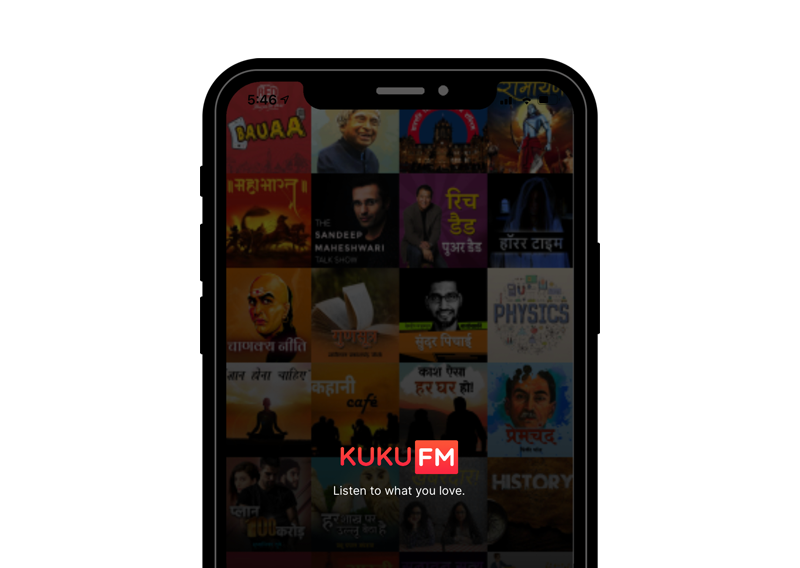
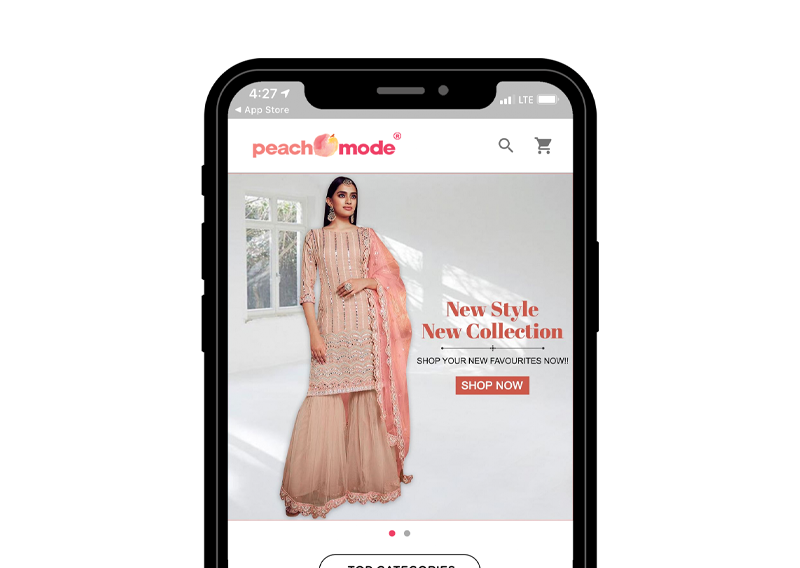
Real UI/UX Design Projects That Helped Businesses Improve User Experience & Business Growth
Great UI/UX design isn’t measured by beautiful screens alone; it’s measured by how effectively it solves business problems and improves user experiences.
Over the years, we’ve partnered with startups, growing businesses, and enterprise organizations to design digital products that simplify complex workflows, increase user engagement, improve conversion rates, and support long-term business growth.
From mobile apps and web applications to SaaS platforms, enterprise software, AI-powered products, and eCommerce solutions, every project is built around measurable outcomes rather than visual aesthetics alone.

Client Reviews
What Our Clients Say About Our UI/UX Design Services



Kreg Thornley
Marketing Director, Alchemy Spetec Tucker, Georgia, United States
James Guttman
San Francisco, California, United StatesBusiness Types We Support
UI/UX Design Services for Every Business Stage, Team & Growth Journey
Every organization approaches digital product design with different goals, timelines, and operational challenges. A startup may need to validate an MVP quickly, while a SaaS company focuses on user adoption and retention. An enterprise often requires scalable design systems, governance, and collaboration across multiple teams.
At Square Infosoft, we tailor our UI/UX design services to match your business model, product maturity, internal capabilities, and long-term objectives. Whether you need a dedicated design partner, an extension of your product team, or complete end-to-end product design support, we adapt our engagement to help you achieve measurable business outcomes.
UI/UX Design for Startups & Founders
Turn innovative ideas into validated digital products with lean UX research, rapid prototyping, MVP design, and scalable user experiences.
UI/UX Design for Growing Businesses
As your business grows, your digital products must evolve with increasing users, features, and operational complexity. We help growing companies optimize user experiences while preparing products for long-term scalability.
UI/UX Design for Enterprise Organizations
Enterprise software requires consistency, governance, accessibility, and workflows that support multiple teams, departments, and business units. Our enterprise UX specialists simplify complex systems while maintaining scalability and security.
UI/UX Design for SaaS Companies
Subscription-based products depend on exceptional onboarding, feature adoption, customer retention, and continuous engagement. We design SaaS experiences that help users realize value faster.
Your content goes here. Edit or remove this text inline or in the module Content settings. You can also style every aspect of this content in the module Design settings and even apply custom CSS to this text in the module Advanced settings.
Lorem Ipsum is simply dummy text of the printing and typesetting industry. Lorem Ipsum has been the industry’s standard dummy text ever since 1966, when designers at Letraset and James Mosley, the librarian at St Bride Printing Library in London, took a 1914 Cicero translation and scrambled it to make dummy text for Letraset’s Body Type sheets. It has survived not only many decades, but also the leap into electronic typesetting, remaining essentially unchanged. It was popularised thanks to these sheets and more recently with desktop publishing software like Aldus PageMaker and Microsoft Word including versions of Lorem Ipsum.
DEVELOPMENT PROCESS
A Development Process Built Around Predictability and Quality
Unpredictable timelines, scope creep, and last-minute surprises are not inevitable in software development; they are symptoms of poor process. Every Android app we build follows a structured, transparent methodology designed to keep you informed at every stage and deliver consistent quality regardless of project size.
Here is exactly what working with us looks like, from day one to launch day and beyond.
Step 1: Discovery and Technical Strategy
Getting the foundation right is what separates projects that finish on time and on budget from those that spiral into overruns and rewrites. During discovery, we conduct structured sessions to understand your business objectives, target audience, competitive landscape, existing systems, and technical constraints. This phase produces a detailed product specification, prioritized feature roadmap, preliminary Android architecture plan, and a milestone-based project timeline with clear deliverables at each stage.
Discovery is never a formality for us. It is the most valuable investment we make in any engagement.
Step 2: UX Research and UI Design
Our design team creates user journey maps, wireframes, and high-fidelity interactive prototypes aligned with Google’s Material Design 3 guidelines and your brand identity. We validate interaction patterns through structured usability reviews before writing a single line of production code. This catches fundamental UX problems early, where they are cheap to fix, rather than late, where they require expensive development rework.
Adaptive layout design ensures a polished, consistent experience across Android phones, tablets, foldable devices, and large-screen form factors. Accessibility compliance with WCAG 2.1 guidelines is treated as a requirement, not a nice-to-have.
Step 3: Architecture Planning and Environment Setup
Before active development begins, we define the application’s technical architecture, typically Google’s recommended layered architecture with clearly separated data, domain, and UI layers, following MVVM or MVI patterns. We establish CI/CD pipelines using GitHub Actions or equivalent tooling, configure automated testing frameworks, set up Firebase or alternative backend infrastructure, define coding conventions, and establish code review processes that the entire team follows throughout the engagement.
This groundwork is what makes the development phase efficient and the final codebase maintainable.
Step 4: Agile Development in Structured Sprints
Active development proceeds in two-week sprints. Each sprint delivers tested, working functionality that you can interact with and provide feedback on in real time. We conduct sprint reviews at the end of each cycle, adjust priorities based on your feedback, and maintain a transparent backlog so you always know what is being built and what is next.
Our core Android technology choices reflect Google’s current best practices: Kotlin with Jetpack Compose for UI, Hilt for dependency injection, Room for local data persistence, Retrofit and OkHttp for network communication, and Kotlin Coroutines with StateFlow for reactive state management. We select libraries based on long-term maintainability and community support, not novelty.
Step 5: Quality Assurance and Device Testing
Comprehensive QA is non-negotiable on Android given the platform’s device diversity. Our testing process includes unit tests for business logic, instrumented UI tests using Compose Testing APIs and Espresso, compatibility testing across a device matrix covering the most commonly used Android versions and manufacturer skins, accessibility audits, and performance profiling using Android Studio’s built-in profiling tools.
We use Firebase Test Lab for automated testing across a broad range of real physical devices, which surfaces device-specific rendering and behavior issues before they reach your users. Security testing, including static analysis and penetration testing for high-security applications, is conducted prior to every production release.
Step 6: Google Play Launch and Post-Launch Optimization
We handle the complete Google Play Store submission process, including Android App Bundle preparation, store listing copy and asset creation, content rating questionnaire, data safety form accuracy review, and staged rollout configuration to minimize launch risk. We treat the launch as a controlled event, not a hopeful one.
After launch, we monitor crash rates and ANR data via Firebase Crashlytics, track user retention and engagement metrics, analyze Play Console performance reports, and implement iterative improvements based on real user behavior, ratings, and reviews. The post-launch period is where the most meaningful product improvements happen and where we remain actively engaged.
BENEFITS OF NATIVE ANDROID DEVELOPMENT
The Case for Purpose-Built Android Applications
The question of whether to build native or go cross-platform is one of the most important decisions in your Android project. Here is an honest breakdown of what native Android development delivers and why it is the right choice for products where performance, security, and platform depth matter.
Benefit 1: Uncompromised Performance
Native Kotlin code compiled and executed on Android’s runtime delivers the full processing capability of the device. Smooth 60fps and 120fps animations, sub-100 millisecond UI responses, and efficient memory management are reliably achievable in native Android in ways that cross-platform abstraction layers struggle to match consistently across the entire device ecosystem.
Benefit 2: Full and Immediate Platform API Access
Native development gives you direct, unrestricted access to every Android platform capability the moment Google makes it available. Bluetooth Low Energy, NFC, Camera2 API, Biometric Prompt, Android Auto, Wear OS, Health Connect, and on-device AI through MediaPipe and TFLite are all available without waiting for a cross-platform framework to implement wrapper support.
Benefit 3: Stronger Security Architecture
Native Android apps can implement multiple layers of platform-native security. The Android Keystore protects cryptographic keys in hardware-backed storage. The Biometric Prompt API provides robust authentication. Network Security Configuration enables certificate pinning to prevent man-in-the-middle attacks. These security primitives are difficult to implement correctly through cross-platform frameworks and are essential for healthcare, fintech, and enterprise applications.
Benefit 4: Faster Adoption of New Android Capabilities
When Google introduces new Android features like predictive back gestures, per-app language settings, large screen optimizations, or new Play Store requirements, native apps can adopt them in the same release cycle. Cross-platform applications frequently wait months for framework maintainers to implement support, leaving users with a degraded experience in the interim.
Benefit 5: Lower Long-Term Maintenance Cost
A clean native codebase built on Google’s recommended architecture patterns, MVVM or MVI, with clean architecture, Jetpack component libraries, and idiomatic Kotlin is significantly easier and less expensive to maintain, extend, and hand off to new developers than the accumulated workarounds and framework-specific abstractions that characterize mature cross-platform codebases.
Benefit 6: Better Google Play Store Performance
Native Android applications consistently achieve better Play Store review outcomes, lower crash rates, and higher user ratings than cross-platform equivalents in the same category. Users notice the difference in responsiveness and polish, even when they cannot articulate why one app feels better than another.
Get Recommendations From Android Specialists
Need advice on Kotlin, Jetpack Compose, Flutter, architecture decisions, scalability, security, or AI integration? Our team is happy to help.
WHY CHOOSE US
What Separates a Good Android App from a Great One – and Why It Matters for Your Business
Many development teams can write Android code. Far fewer can build products that perform reliably at scale, stay maintainable over years of active development, and generate measurable business outcomes after launch. Here is how we approach the gap between adequate and genuinely excellent.
Architecture First, Always
We invest in solid architectural foundations before building features. Proper separation of concerns, appropriate data layer patterns, and testability are not afterthoughts we address before shipping; they are constraints we design around from day one. Applications built this way are significantly cheaper to maintain, extend, and hand to new teams over their lifetime. We have taken over codebases built by other agencies, and we know exactly what poor architectural decisions cost.
Strictly Modern, Google-Recommended Practices
Our Android developers build exclusively with Google’s current recommended tools and patterns. We do not carry forward outdated approaches to keep institutional knowledge intact. Jetpack Compose, Kotlin-first development, Hilt dependency injection, and layered clean architecture are not trends we are experimenting with; they are production-proven patterns we have shipped in dozens of applications.
Radical Transparency Throughout Every Engagement
You will always know exactly where your project stands. Weekly sprint reviews give you hands-on access to working functionality. A shared project tracker shows real-time progress against the agreed roadmap. Direct communication channels with your development team, not a project manager who relays filtered updates, mean there are no surprises. We treat your budget and timeline with the same respect we expect for our work.
Dedicated Android Specialists, Not Cross-Platform Generalists
Every Android project we take on is staffed with engineers who focus exclusively on Android development. They are not generalists who rotate between iOS, web, and Android based on team capacity. Deep platform specialization produces better architectural decisions, faster development velocity, more idiomatic code, and fewer production issues than a generalist team context-switching between platforms.
Post-Launch as a First-Class Priority
We monitor app performance, user retention metrics, crash rates, and ANR data after launch with the same intensity we apply to development velocity before it. The relationship does not end at Play Store submission. The applications we are proudest of are not the ones we launched; they are the ones our clients have grown into market-leading products over years of continued partnership.
Security and Privacy as Design Constraints, Not Audits
Security review at the end of a project is too late to be truly effective. We treat security as a first-class design constraint applied from the earliest architecture decisions. Android Keystore integration, certificate pinning, proper permission handling, data minimization, and Play Store Data Safety compliance are non-negotiable components of every application we deliver.
Honest Engagement Fit Assessment
We have declined projects that were not a good fit for our team’s strengths. We have recommended cross-platform development to clients who would not benefit from the cost of native apps. We would rather lose a project than overpromise on one. That honesty is what makes our client relationships last and why the majority of our new business comes from referrals within our existing client network.
FREQUENTLY ASKED QUESTIONS
Frequently Asked Questions About Android App Development
How much does it cost to develop a custom Android app?
Android app development costs vary significantly based on complexity, feature scope, design requirements, and backend infrastructure needs. As a general framework: a focused MVP application with a defined feature set typically ranges from $8,000 to $30,000. Mid-complexity applications with multiple user roles, third-party API integrations, custom backend systems, and thorough QA generally fall between $15,000 and $50,000. Enterprise-grade applications with advanced security requirements, complex workflow automation, dedicated infrastructure, and ongoing post-launch support can exceed $25,000+. We provide detailed, itemized project estimates after a structured discovery session, never rough figures based on a two-paragraph brief. Pricing transparency is something we take seriously.
How long does it take to build an Android app?
Development timelines depend directly on project scope and complexity. A focused Android MVP typically requires 8 to 14 weeks from signed-off design to Google Play submission, assuming timely feedback cycles on your side. A mid-complexity application with custom backend development, multiple user roles, and comprehensive device testing usually takes 4 to 6 months. Large enterprise applications with complex integrations, regulatory requirements, and extensive security testing can take 6 to 12 months or longer. We provide milestone-based timelines with clear deliverables during our discovery phase. Our sprint-based delivery model means you see working, testable functionality regularly throughout, not a single big reveal at the end.
Should I build a native Android app or use a cross-platform framework like Flutter or React Native?
The right choice depends on your specific product requirements, timeline constraints, and budget. Native Android development using Kotlin and Jetpack Compose delivers the best possible performance, deepest platform integration, strongest security architecture, and lowest long-term maintenance burden. It is the right choice when you need access to hardware APIs, when performance is critical, when security is non-negotiable, or when your product strategy is Android-first. Cross-platform frameworks like Flutter or Kotlin Multiplatform are genuinely strong options when you need to support both Android and iOS from a single codebase, your timeline is compressed, or your budget does not support separate native teams. Flutter in particular has reached a maturity level where it is appropriate for a wide range of consumer application types. We build both and will give you an honest recommendation based on your actual project requirements, not based on what is simplest for us to deliver.
How do you handle Android device fragmentation?
Device fragmentation is one of the most underestimated challenges in Android development, and addressing it requires both disciplined architecture and systematic testing. Our approach combines several practices: we use Jetpack Compose’s adaptive layout APIs and Material Design 3 responsive components to handle the full range of screen sizes from small phones to large tablets and foldable devices. We use vector drawables and density-independent units throughout to ensure consistent visual rendering across display densities. We test against a device matrix that covers the most commonly used Android versions, screen sizes, and manufacturer skin configurations. We also use Firebase Test Lab for automated testing across a broad library of real physical devices, which reliably surfaces manufacturer-specific rendering and behavior issues before they reach production. Fragmentation is a solvable problem with the right process; it is not an excuse for inconsistent behavior.
Will we own the source code and intellectual property after the project?
Yes, unconditionally. Upon project completion and final payment, full intellectual property rights to all custom code, assets, documentation, and related deliverables transfer entirely to you. We deliver a well-organized, fully documented codebase that your internal team or any future development partner can continue working with. We do not implement proprietary lock-in mechanisms, embed undisclosed dependencies, or retain any rights over work product created for your engagement. We believe your continued partnership should be earned by the quality of our work and the strength of the relationship, not enforced by artificial dependency.
Can you integrate AI and machine learning features into an Android app?
Yes, and it is a capability we have invested in significantly. For on-device AI, we integrate ML Kit for common tasks including text recognition, object detection, image labeling, barcode scanning, and language identification. For custom model inference, we use TensorFlow Lite and the MediaPipe Tasks framework, which can run sophisticated models directly on Android hardware without requiring a network connection. We also build integrations with cloud-based AI services LLM APIs for conversational features, recommendation engines, predictive analytics, and computer vision systems hosted on GCP, AWS, or Azure. On-device AI in 2026 is production-viable for a wide range of use cases and can meaningfully differentiate your product from competitors who rely entirely on server-side processing.
What does post-launch support and maintenance look like?
Post-launch support is a structured service offering for us, not an afterthought. We offer tiered maintenance retainers that include monitoring of crash rates and ANR data through Firebase Crashlytics, proactive OS compatibility updates as new Android versions are released, Google Play policy compliance management, security patch implementation, performance optimization work, and ongoing feature development according to your product roadmap. Most of our long-term clients transitioned from a single project engagement into a continuous partnership because the economics of working with a team that deeply understands your codebase, your users, and your product strategy are significantly more favorable than starting the vendor evaluation process again every 12 months.
Do you work with startups or only with established enterprises?
We work with both, and we have structured our service offering specifically to serve each well. For startups, our MVP development practice is designed to minimize time-to-market and upfront cost while maintaining the architectural discipline that prevents expensive rewrites later. We have helped dozens of startups go from idea to funded product using their Android app as the primary demonstration of product-market fit. For enterprises, we bring the security rigor, compliance expertise, integration capability, and change management experience that large-scale Android deployments require. The difference in how we approach each is in scope, timeline, and process structure; the commitment to quality is identical.
Talk to an Android App Developer Today
Tell us about your project and receive a structured response within 24 hours. No generic sales pitch. Just practical guidance from experienced Android developers.
- Free 30-minute discovery call
- NDA signed before any discussion
- No sales pressure, ever
Get a Free Project Estimate
Interested in driving growth with Android App Development? Have a general question? We’re just an email away.

