Spirituality and mindfulness practices have evolved significantly in the digital era. Millions of people today use mobile applications and online platforms for meditation, spiritual learning, devotional content, and personal growth. As technology continues to advance, AI in spirituality is emerging as a powerful force that enhances how individuals access spiritual guidance, mindfulness practices, and wellness experiences.
Artificial intelligence technologies such as machine learning, natural language processing, and intelligent recommendation systems are now being integrated into spiritual apps, meditation platforms, and digital wellness ecosystems. These technologies help deliver personalized meditation sessions, spiritual teachings, and mindfulness exercises tailored to individual needs and preferences.
The growing demand for digital spirituality platforms has led to the development of innovative AI meditation apps, mindfulness platforms, and spiritual guidance systems that analyze user behavior, emotional wellbeing, and meditation habits to provide customized experiences. From guided meditation recommendations to AI-powered spiritual chatbots, intelligent systems are transforming how spiritual content is delivered and consumed.
This transformation is part of a broader trend where artificial intelligence is reshaping multiple industries. Technologies similar to those used in spiritual platforms are also being applied across sectors such as AI-driven healthcare systems, intelligent fitness platforms, and smart construction technologies. These advancements demonstrate how AI is enabling organizations to create more personalized, data-driven, and engaging digital experiences.
As spiritual communities and wellness platforms continue adopting digital technologies, the AI spirituality industry is expected to grow rapidly. Organizations are increasingly exploring AI-powered solutions to build scalable meditation apps, spiritual learning platforms, and intelligent wellness systems that support global communities seeking mindfulness, personal growth, and spiritual development.
Major Problems in Spirituality and Meditation Platforms
The global interest in spirituality, meditation, and personal growth has increased significantly in recent years. Millions of people are turning to digital platforms for mindfulness practices, spiritual teachings, devotional content, and mental wellbeing support. However, despite the growth of spiritual apps and wellness platforms, many existing solutions still struggle to deliver personalized and meaningful experiences for users.
Understanding these challenges is essential to see why AI in spirituality is becoming an important technological advancement for modern spiritual platforms.
Lack of Personalized Spiritual Guidance
One of the biggest challenges in digital spirituality platforms is the lack of personalized spiritual guidance. Many meditation apps and spiritual learning platforms offer generic meditation sessions, teachings, or devotional content that may not align with the individual needs of every user.
Spiritual journeys are deeply personal, and different individuals seek different types of guidance such as meditation techniques, spiritual lectures, mindfulness exercises, or devotional practices. Traditional digital platforms often fail to adapt content according to a user’s preferences, experience level, or emotional state.
By using artificial intelligence in spirituality platforms, systems can analyze user behavior and recommend personalized meditation sessions, spiritual teachings, and wellness programs tailored to individual needs.
Limited Access to Spiritual Teachers and Communities
Another major challenge is accessibility. Many people interested in spiritual learning do not have direct access to spiritual mentors, meditation teachers, or spiritual communities.
Although online videos and recorded lectures are available, they often lack interaction and structured learning paths. Users may struggle to find relevant teachings or guidance that matches their spiritual goals.
AI-powered spiritual platforms can help solve this problem by organizing spiritual content intelligently and recommending relevant lectures, teachings, or meditation practices based on a user’s interests and progress.
Fragmented Digital Spiritual Content
Spiritual knowledge and teachings are often scattered across multiple platforms such as video channels, podcasts, blogs, and independent websites. This fragmented ecosystem makes it difficult for users to discover structured spiritual content or maintain a consistent learning journey.
Many people searching for spiritual guidance must navigate through multiple platforms to find meditation techniques, philosophical teachings, devotional lectures, and spiritual discussions.
Modern AI spiritual platforms and digital spirituality ecosystems aim to centralize this content and use intelligent recommendation systems to deliver the right spiritual resources to the right users at the right time.
Low Engagement in Meditation and Spiritual Apps
User engagement is another challenge for spiritual and meditation applications. Many users initially download meditation or spiritual apps but stop using them after a short period because the experience becomes repetitive or lacks motivation.
Maintaining long-term engagement in meditation practices requires personalization, progress tracking, and adaptive guidance. Without these elements, users often lose interest.
AI-driven meditation apps can improve engagement by providing personalized meditation plans, reminders, mood-based recommendations, and progress insights that encourage users to maintain consistent mindfulness practices.
Difficulty Tracking Spiritual Progress
Unlike traditional educational platforms, spiritual growth and mindfulness practices are difficult to measure. Many spiritual platforms lack systems to help users track their progress, meditation consistency, or emotional wellbeing improvements.
AI-powered analytics systems can analyze meditation patterns, emotional responses, and wellness habits to provide insights that help users understand their spiritual journey more clearly.
By integrating AI mindfulness analytics and intelligent recommendation systems, modern spiritual platforms can offer more structured and measurable spiritual development experiences.
Growing Demand for Intelligent Spiritual Platforms
As the number of digital spirituality users increases worldwide, the demand for smarter platforms continues to grow. Users now expect spiritual apps to provide personalized content, intelligent recommendations, interactive guidance, and meaningful community experiences.
This growing demand is driving innovation in AI meditation apps, AI spiritual chatbots, and digital spiritual learning platforms that aim to transform how spiritual knowledge and mindfulness practices are delivered through technology.
What is AI in Spirituality?
AI in spirituality refers to the use of artificial intelligence technologies such as machine learning, natural language processing, data analytics, and intelligent recommendation systems to enhance digital spirituality platforms, meditation apps, and wellness applications.
These technologies enable spiritual platforms to analyze user behavior, meditation habits, emotional wellbeing patterns, and personal preferences in order to deliver personalized spiritual guidance, meditation recommendations, and mindfulness practices.
Unlike traditional spiritual websites or meditation applications that provide the same content to every user, artificial intelligence in spirituality platforms allows systems to adapt dynamically to individual needs. AI algorithms can recommend guided meditation sessions, spiritual lectures, devotional content, and mindfulness exercises based on a user’s interests, mood, and past interactions.
For example, many AI meditation apps and digital wellness platforms use machine learning algorithms to analyze user activity such as meditation frequency, session duration, stress levels, and wellness goals. Based on this data, the system can recommend personalized meditation routines, breathing exercises, or spiritual teachings that help users maintain consistent mindfulness practices.
AI is also enabling the development of spiritual chatbots and intelligent spiritual assistants that provide instant responses to spiritual questions, offer meditation guidance, and help users explore philosophical teachings in an interactive way. These AI-powered assistants make spiritual knowledge more accessible for people who may not have direct access to spiritual teachers or mentors.
Modern AI spiritual platforms are increasingly integrating advanced technologies such as emotion recognition, voice assistants, and predictive analytics to deliver more meaningful spiritual experiences. By combining these technologies, digital spirituality platforms can provide personalized learning paths, track spiritual progress, and recommend content that aligns with each user’s spiritual journey.
As digital wellness ecosystems continue to expand, the use of AI wellness technology and AI meditation systems is expected to play a significant role in shaping the future of spiritual learning, mindfulness practices, and personal growth platforms worldwide.
Benefits of AI in Spiritual Platforms
The integration of artificial intelligence into spiritual and wellness platforms is transforming how people access meditation guidance, spiritual teachings, and mindfulness practices. By leveraging intelligent technologies such as machine learning, data analytics, and recommendation algorithms, AI in spirituality platforms can provide more personalized, interactive, and engaging experiences for users.
Below are some of the key benefits of adopting artificial intelligence in spirituality and meditation platforms.
Personalized Meditation and Spiritual Guidance
One of the most significant advantages of AI-powered spiritual platforms is the ability to provide personalized guidance. Every individual has a unique spiritual journey, and AI systems can analyze user preferences, meditation habits, and wellness goals to recommend content that best matches their needs.
For example, many AI meditation apps analyze data such as meditation frequency, session duration, and emotional patterns to recommend guided meditation sessions, breathing exercises, or spiritual teachings tailored to the user. This personalized approach helps users stay engaged and maintain consistent spiritual practices.
Intelligent Content Recommendations
Modern AI spiritual platforms and digital spirituality ecosystems can organize large libraries of spiritual lectures, devotional content, meditation sessions, and mindfulness exercises. AI recommendation engines analyze user behavior and suggest relevant content that aligns with the user’s interests.
Instead of manually searching through hundreds of videos or lectures, users can receive curated recommendations that help them explore spiritual knowledge more efficiently.
Improved Engagement in Meditation Apps
One of the biggest challenges for meditation and spiritual apps is maintaining long-term engagement. Many users start using mindfulness apps but eventually stop due to lack of motivation or repetitive experiences.
AI-powered meditation platforms can improve engagement by introducing features such as:
- personalized meditation plans
- adaptive meditation programs
- progress tracking systems
- intelligent reminders for mindfulness practices
These features help users stay committed to their meditation routines and maintain consistent spiritual growth.
Better Accessibility to Spiritual Knowledge
Artificial intelligence can significantly improve accessibility to spiritual teachings and philosophical knowledge. Many people interested in spirituality may not have direct access to spiritual teachers, mentors, or communities.
AI-powered spiritual platforms can bridge this gap by delivering structured spiritual learning experiences through mobile applications, digital libraries, and guided meditation systems. Intelligent search and recommendation systems help users discover lectures, devotional content, and spiritual resources more easily.
AI Spiritual Assistants and Chatbots
Another emerging benefit of AI in spirituality technology is the development of spiritual chatbots and digital assistants. These AI-powered assistants can answer questions about spiritual teachings, provide meditation guidance, and recommend relevant resources for personal growth.
Using natural language processing, AI chatbots can interact with users in a conversational way, helping them explore spiritual concepts, mindfulness practices, and philosophical ideas in an accessible format.
Data-Driven Spiritual Progress Tracking
Spiritual growth and mindfulness practices are often difficult to measure. However, AI-powered analytics systems can track meditation patterns, mindfulness activities, and emotional wellbeing indicators.
These insights allow users to monitor their spiritual progress, identify patterns in their meditation habits, and receive recommendations for improving their mindfulness routines.
Scalable Digital Spiritual Platforms
AI technologies enable spiritual organizations and wellness platforms to scale their services to global audiences. With intelligent content delivery systems and personalized recommendations, digital spiritual platforms can support thousands or even millions of users simultaneously.
This scalability makes AI spiritual platforms and digital meditation ecosystems highly effective for organizations that want to share spiritual teachings, build global communities, and deliver personalized spiritual experiences at scale.
AI Applications in Spirituality
Artificial intelligence is enabling a new generation of digital spirituality platforms that deliver personalized meditation guidance, intelligent spiritual learning systems, and interactive wellness experiences. By analyzing user behavior and emotional patterns, AI in spirituality platforms can create adaptive systems that improve meditation practices, spiritual learning, and personal growth journeys.
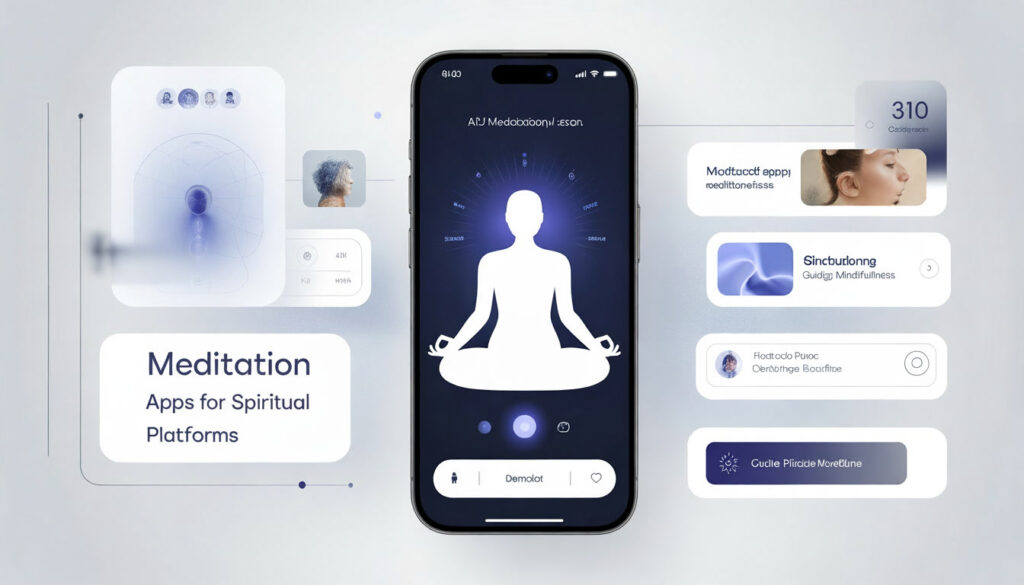
Below are some of the most important AI applications in spiritual and wellness platforms.
AI Meditation Apps
Meditation applications are one of the most common examples of AI-powered spirituality platforms. Many modern meditation apps use machine learning algorithms to analyze user meditation habits, stress levels, and wellness goals to provide personalized meditation recommendations.
AI meditation systems can suggest:
- guided meditation sessions
- breathing exercises
- mindfulness practices
- relaxation techniques
based on the user’s activity patterns and preferences. This level of personalization helps users maintain consistent meditation routines and improve their overall mindfulness practice.
AI Spiritual Chatbots and Digital Assistants
Artificial intelligence also enables the development of AI spiritual chatbots and digital assistants that provide spiritual guidance and answer questions about meditation practices, philosophical teachings, and personal growth.
These AI assistants use natural language processing to interact with users in a conversational way. They can help users discover spiritual content, explore meditation techniques, and receive personalized recommendations for spiritual learning.
Such AI-powered assistants make spiritual guidance more accessible to people who may not have direct access to spiritual teachers or mentors.
AI Mindfulness and Wellness Platforms
Many digital wellness platforms now integrate AI technologies to support mindfulness practices and emotional wellbeing. These platforms analyze behavioral data, meditation patterns, and wellness activities to generate personalized wellness programs.
AI-driven mindfulness apps and wellness platforms can recommend daily meditation routines, track mindfulness progress, and provide insights into stress levels or emotional wellbeing. This helps users develop healthier habits and maintain long-term mindfulness practices.
AI Spiritual Learning Platforms
Spiritual organizations are increasingly adopting AI-powered learning systems that deliver structured spiritual education through digital platforms. These systems organize lectures, devotional content, spiritual texts, and meditation teachings into personalized learning paths.
AI recommendation engines help users discover relevant spiritual lectures and philosophical discussions based on their interests and spiritual goals. This approach allows spiritual platforms to create engaging educational experiences for global audiences.
AI Astrology and Spiritual Insight Platforms
Artificial intelligence is also being used in astrology and spiritual insight platforms that analyze astrological data, birth charts, and planetary patterns to generate personalized insights.
AI systems can process large amounts of astrological data and deliver customized interpretations, predictions, and guidance. This application of AI technology allows spiritual platforms to offer more personalized and interactive experiences for users interested in astrology and spiritual insights.
AI Content Recommendation for Spiritual Platforms
Large spiritual platforms often contain thousands of lectures, podcasts, meditation sessions, and devotional resources. AI-powered recommendation engines help users navigate these large content libraries more efficiently.
By analyzing user preferences and engagement patterns, AI systems can recommend spiritual content that aligns with each user’s interests. This intelligent content delivery helps users stay engaged with spiritual learning and discover new teachings relevant to their spiritual journey.
AI-Powered Community Engagement
Digital spirituality platforms often rely on community interaction and group learning experiences. AI systems can help connect users with similar spiritual interests, recommend community discussions, and organize online spiritual gatherings.
These intelligent systems enhance engagement and help spiritual communities grow by connecting individuals who share similar beliefs, meditation practices, or philosophical interests.
Looking to Build an AI-Powered Spiritual Platform?
Our team at Square Infosoft specializes in building intelligent meditation apps, wellness platforms, and digital spiritual ecosystems powered by artificial intelligence and modern mobile technologies.
Explore Our Development Services →Real AI Use Cases in Spiritual Platforms
The growing adoption of digital technologies in spirituality has led to the development of innovative platforms that deliver spiritual teachings, meditation guidance, and devotional content through mobile applications and online platforms. These systems demonstrate how AI in spirituality and digital spiritual platforms can enhance accessibility, engagement, and personalized learning experiences for global communities.
Spiritual organizations, meditation platforms, and wellness startups are increasingly investing in technology-driven solutions to connect with followers, distribute spiritual knowledge, and support personal growth journeys.
Spiritual Mobile Platforms and Digital Communities
Many modern spiritual platforms use mobile applications and web platforms to deliver spiritual lectures, devotional content, meditation sessions, and community updates. These platforms allow spiritual teachers and organizations to reach global audiences and create structured spiritual learning environments.
AI-powered recommendation systems can help users discover relevant spiritual lectures, meditation sessions, and devotional resources based on their interests and engagement patterns. This improves content discovery and helps users maintain consistent spiritual practices.
Example: Digital Spiritual Platform for Global Communities
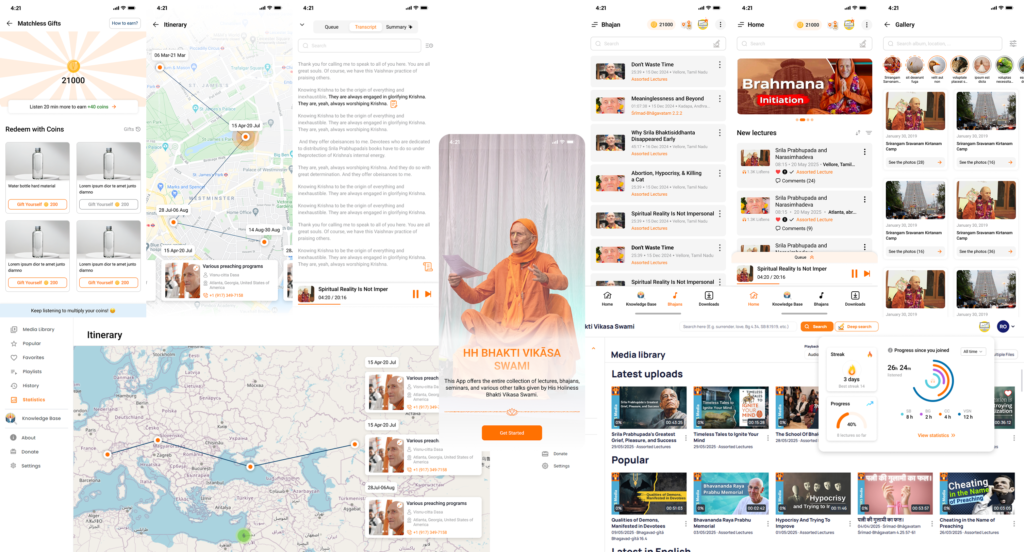
One example of a modern digital spiritual platform is the Bhakti Vikasa Swami mobile application, developed to provide spiritual teachings, lectures, and devotional resources to followers worldwide.
This platform enables users to access spiritual knowledge and stay connected with spiritual communities through a dedicated mobile experience.
The application provides features such as:
- access to spiritual lectures and teachings
- devotional content and spiritual resources
- community updates and announcements
- digital learning experiences for followers
Through this platform, followers can explore spiritual teachings and remain connected with spiritual leaders regardless of geographical location.
You can explore the platform here:
- https://apps.apple.com/in/app/bhakti-vikasa-swami/id1536451261
- https://play.google.com/store/apps/details?id=com.iskcon.bvks
- https://bvks.com/
This project demonstrates how digital spiritual platforms and mobile applications can transform the way spiritual knowledge is shared and consumed globally.
AI-Powered Spiritual Content Discovery
As spiritual platforms grow and their content libraries expand, finding relevant teachings becomes more difficult for users. AI-powered recommendation systems can analyze user preferences and engagement patterns to suggest lectures, meditation sessions, and spiritual resources that match each user’s interests.
These intelligent systems improve user experience by delivering personalized content and helping individuals discover new spiritual teachings aligned with their personal growth goals.
Scalable Digital Spiritual Ecosystems
Spiritual organizations increasingly require platforms capable of supporting large global communities. AI-powered platforms can scale efficiently by organizing large content libraries, personalizing user experiences, and automating content delivery.
This allows spiritual leaders and organizations to focus on sharing teachings while technology platforms handle content management, user engagement, and personalized experiences.
Technologies Powering AI in Spiritual Platforms
The rapid evolution of artificial intelligence technologies has enabled the development of advanced digital spirituality platforms, meditation applications, and wellness ecosystems. Modern AI spiritual platforms rely on a combination of intelligent technologies that analyze user behavior, process spiritual content, and deliver personalized meditation and learning experiences.
By integrating machine learning, natural language processing, and data analytics, AI in spirituality platforms can provide intelligent recommendations, interactive guidance, and personalized spiritual learning journeys.
Below are some of the key technologies powering modern AI meditation apps and digital spiritual platforms.
Machine Learning for Personalized Spiritual Experiences
Machine learning is one of the core technologies used in AI meditation apps and spiritual wellness platforms. These algorithms analyze user behavior, meditation frequency, session duration, and content engagement to understand individual preferences.
Based on this data, machine learning systems can recommend meditation sessions, spiritual lectures, mindfulness exercises, and devotional content that align with the user’s interests and spiritual goals.
Over time, these systems continuously improve their recommendations as they learn from user activity, creating a highly personalized spiritual experience.
Natural Language Processing for Spiritual Chatbots
Natural language processing (NLP) allows AI systems to understand and respond to human language. This technology powers AI spiritual chatbots and digital spiritual assistants that can interact with users conversationally.
Using NLP, spiritual chatbots can answer questions related to meditation practices, spiritual teachings, or philosophical concepts. They can also guide users through meditation sessions or recommend spiritual resources based on user queries.
This technology helps make spiritual guidance more accessible, especially for users who may not have direct access to spiritual mentors or teachers.
AI Recommendation Engines for Spiritual Content
Large spiritual platforms often contain extensive libraries of lectures, devotional music, meditation sessions, and philosophical discussions. AI-powered recommendation engines help users navigate this content more efficiently.
These intelligent systems analyze user preferences, content interactions, and engagement patterns to suggest relevant spiritual teachings and mindfulness practices. By delivering personalized content recommendations, AI systems improve user engagement and help individuals explore spiritual knowledge more effectively.
Emotion Recognition and Wellness Analytics
Another emerging technology in digital wellness platforms is emotion recognition and behavioral analytics. AI systems can analyze user interactions, biometric signals, and wellness data to identify patterns related to stress, relaxation, or emotional wellbeing.
By understanding these signals, AI wellness platforms and mindfulness applications can recommend meditation techniques, breathing exercises, or mindfulness practices that support emotional balance and mental clarity.
This technology helps create more adaptive and responsive spiritual platforms that align with users’ emotional and psychological needs.
Voice AI and Smart Meditation Assistants
Voice recognition technologies are also becoming increasingly important in meditation and spiritual applications. AI-powered voice assistants can guide users through meditation sessions, provide spiritual lectures, or deliver daily mindfulness reminders.
Voice-enabled systems make meditation practices more accessible by allowing users to interact with platforms through simple voice commands. This improves usability and allows spiritual guidance to become part of everyday routines.
Data Analytics for Spiritual Platform Insights
AI-powered analytics tools allow spiritual organizations and platform developers to understand how users interact with spiritual content. Data analytics can reveal insights about meditation engagement, content popularity, and user behavior patterns.
These insights help organizations improve their platforms, optimize spiritual learning experiences, and deliver more relevant content to users.
Challenges of AI in Spiritual Technology
While artificial intelligence is enabling significant advancements in digital spirituality platforms, meditation applications, and wellness ecosystems, the adoption of AI in spirituality also introduces several challenges that organizations and developers must carefully consider.
Spiritual teachings and mindfulness practices are deeply personal and culturally sensitive. Therefore, implementing artificial intelligence in spiritual platforms requires thoughtful design to ensure that technology enhances spiritual experiences without compromising authenticity or trust.
Below are some of the key challenges associated with AI-powered spiritual platforms and meditation technologies.
Authenticity of Spiritual Guidance
One of the most important concerns when implementing AI in spiritual platforms is maintaining the authenticity of spiritual teachings. Spiritual traditions often rely on centuries of philosophical wisdom, cultural context, and mentorship from experienced teachers.
AI systems can analyze data and recommend content, but they cannot fully replicate the depth of human spiritual experience or wisdom. Platforms must ensure that AI technologies support spiritual learning rather than replacing genuine spiritual mentorship.
For this reason, many AI meditation apps and digital spirituality platforms use artificial intelligence primarily for content organization, recommendations, and accessibility rather than attempting to replace spiritual teachers.
Ethical and Cultural Sensitivity
Spiritual traditions vary widely across cultures and communities. When developing AI spiritual platforms, it is important to respect diverse beliefs, traditions, and practices.
AI systems trained on limited datasets may unintentionally produce recommendations or interpretations that do not accurately reflect specific spiritual traditions. Developers must ensure that spiritual content is curated carefully and that AI systems respect cultural and religious sensitivities.
Responsible AI design and human oversight are essential to maintain trust in digital spirituality platforms.
Data Privacy and Personal Wellbeing
Many AI meditation apps and wellness platforms collect sensitive information such as meditation habits, emotional wellbeing data, and personal preferences. Protecting this data is critical to maintaining user trust.
Organizations developing AI-powered spiritual platforms must implement strong privacy protections, secure data storage, and transparent policies about how user information is collected and used.
Ensuring data security and ethical data practices is essential for building trustworthy digital spirituality ecosystems.
Over-Automation of Spiritual Experiences
Another challenge is the risk of over-automating spiritual experiences. Spiritual growth often involves introspection, reflection, and personal guidance that cannot be entirely automated.
If spiritual platforms rely too heavily on automated recommendations or AI-generated content, they may lose the depth and authenticity that users seek in spiritual practices.
Successful AI spiritual platforms balance technology with human wisdom by using artificial intelligence to enhance accessibility and personalization while preserving meaningful spiritual engagement.
Technology Adoption in Traditional Communities
Some spiritual communities may be hesitant to adopt digital technologies or AI-driven platforms. Traditional spiritual environments often prioritize direct teacher-student relationships and in-person community experiences.
Introducing AI technologies into these environments requires careful communication and thoughtful design to demonstrate how digital platforms can complement traditional spiritual practices rather than replace them.
Complexity of Building Intelligent Spiritual Platforms
Developing advanced AI meditation apps, spiritual learning platforms, and wellness ecosystems requires significant technical expertise. These platforms must integrate machine learning models, content recommendation systems, analytics tools, and scalable infrastructure.
Organizations that want to build such platforms often need experienced technology partners capable of designing secure, scalable, and intelligent systems that support spiritual communities.
Have an Idea for a Spiritual or Meditation App?
We help startups, wellness companies, and spiritual organizations turn ideas into scalable mobile apps and AI-driven platforms.
Start Your Project
Future of AI in Spirituality
The rapid growth of digital wellness platforms, meditation applications, and spiritual learning ecosystems suggests that the role of AI in spirituality will continue expanding in the coming years. As artificial intelligence technologies become more advanced, spiritual platforms will be able to deliver more personalized, interactive, and meaningful experiences for global communities seeking mindfulness, personal growth, and spiritual knowledge.
Future developments in artificial intelligence in spirituality platforms are expected to focus on personalization, immersive digital experiences, and intelligent spiritual guidance systems.

AI-Powered Personalized Spiritual Journeys
One of the most important trends shaping the future of AI meditation apps and spiritual platforms is deep personalization. Future platforms will analyze user behavior, meditation history, emotional wellbeing patterns, and spiritual interests to create highly personalized spiritual journeys.
Instead of offering generic meditation sessions or lectures, AI systems will dynamically recommend spiritual teachings, mindfulness practices, and devotional resources that align with each individual’s spiritual path. This level of personalization will help users develop consistent meditation habits and explore spiritual knowledge more effectively.
Voice-Based Spiritual Assistants
Voice technology and conversational AI are expected to play a larger role in digital spirituality platforms. AI-powered voice assistants may guide users through meditation sessions, deliver spiritual lectures, and provide daily mindfulness reminders.
Voice-enabled meditation assistants could allow users to interact with spiritual platforms naturally through spoken commands, making meditation and mindfulness practices more accessible during daily routines.
Immersive Digital Spiritual Experiences
Future spiritual platforms may integrate emerging technologies such as augmented reality, virtual reality, and AI-driven interactive environments. These immersive technologies could create digital meditation environments or virtual spiritual learning spaces where users can explore teachings and practices in more engaging ways.
Combining immersive technologies with AI wellness platforms and spiritual learning systems may transform how spiritual communities interact with digital content.
Intelligent Spiritual Learning Platforms
Artificial intelligence will also play a major role in the evolution of spiritual education platforms. AI-driven learning systems can organize spiritual texts, lectures, and philosophical discussions into structured learning paths tailored to different experience levels.
These systems may guide beginners through foundational spiritual concepts while offering advanced philosophical discussions for experienced practitioners. Intelligent learning paths can help individuals explore spiritual knowledge in a more structured and meaningful way.
Global Digital Spiritual Communities
The future of AI spiritual platforms and digital spirituality ecosystems will likely focus on building global spiritual communities. AI technologies can help connect individuals with similar spiritual interests, recommend community discussions, and facilitate collaborative learning experiences.
By combining intelligent recommendation systems with community engagement features, digital spirituality platforms can create global networks of individuals exploring mindfulness, meditation, and spiritual development together.
AI-Driven Spiritual Content Discovery
As spiritual platforms grow and content libraries expand, discovering relevant teachings becomes increasingly challenging. Future AI systems will improve content discovery through advanced recommendation algorithms that analyze user interests, meditation history, and learning progress.
These systems will ensure that users always receive relevant spiritual lectures, meditation practices, and mindfulness resources aligned with their spiritual journey.
As digital spirituality platforms continue to evolve, AI meditation technology, spiritual learning platforms, and intelligent wellness ecosystems will play a major role in shaping how individuals access spiritual guidance and mindfulness practices worldwide.
Meditation and Spiritual App Development
As the demand for digital spirituality platforms, meditation applications, and wellness ecosystems continues to grow, many organizations and startups are exploring opportunities to build intelligent platforms that deliver spiritual teachings, mindfulness practices, and personal growth experiences to global audiences.
Modern spiritual apps and meditation platforms are evolving beyond simple content libraries. Today’s users expect personalized meditation experiences, intelligent content recommendations, community engagement features, and seamless access to spiritual knowledge through mobile and web platforms.
By integrating AI technologies such as machine learning, recommendation engines, and data analytics, organizations can build advanced digital platforms that provide personalized spiritual guidance and meaningful wellness experiences.
Key Features of Modern Spiritual and Meditation Apps
Successful AI meditation apps and digital spirituality platforms often include several core features that improve user engagement and accessibility.
Common features include:
- guided meditation sessions and mindfulness exercises
- personalized meditation recommendations powered by AI
- spiritual lecture libraries and devotional content
- progress tracking for meditation and mindfulness practices
- community engagement features for spiritual discussions
- intelligent content discovery through recommendation systems
These features help create engaging digital environments that support long-term meditation habits and spiritual learning.
AI-Powered Spiritual Platforms
Artificial intelligence plays an important role in enhancing the capabilities of modern spiritual platforms. AI systems can analyze user activity, meditation patterns, and content preferences to deliver personalized experiences.
For example, AI-powered meditation apps can recommend meditation sessions based on stress levels or daily routines, while intelligent content systems can suggest spiritual teachings aligned with a user’s interests.
AI chatbots and conversational interfaces can also assist users by answering questions about meditation practices, guiding mindfulness exercises, and helping users discover spiritual content more easily.
Building Scalable Digital Spiritual Ecosystems
Developing a successful spiritual platform requires a strong technical foundation. Platforms must be able to manage large libraries of spiritual content, support thousands of users simultaneously, and deliver personalized experiences through intelligent recommendation systems.
Scalable infrastructure, secure data management, and advanced analytics are essential for building modern AI wellness platforms and meditation applications.
Organizations seeking to launch digital spirituality platforms often work with experienced development teams that understand how to design scalable mobile applications, cloud infrastructure, and AI-driven content systems.
Custom Spiritual App Development Solutions
Businesses and spiritual organizations looking to build advanced digital platforms can benefit from custom spiritual app development services that combine mobile app development, AI integration, and scalable backend systems.
Custom development solutions allow organizations to create platforms tailored to their unique spiritual teachings, meditation programs, and community engagement goals.
Such platforms can include mobile apps, web platforms, and cloud-based content management systems that support global spiritual communities.
Partnering with Experienced Development Teams
Building a high-quality spiritual platform requires expertise in mobile application development, AI technologies, cloud infrastructure, and user experience design. Organizations looking to develop digital meditation platforms or AI-powered spiritual applications often collaborate with technology partners capable of delivering scalable and secure solutions.
Working with an experienced development company ensures that spiritual platforms are built with modern technologies, optimized performance, and the ability to support growing user communities.
Planning to Build an AI Spiritual or Meditation App?
Square Infosoft helps startups and organizations develop AI-powered meditation apps, spiritual platforms, and digital wellness solutions tailored for global audiences.
Discuss Your Project
AI Applications Across Industries
Artificial intelligence is transforming industries across the global economy by enabling smarter decision-making, automation, and personalized digital experiences. While this article focuses on AI in spirituality and digital wellness platforms, similar technologies are being applied across many other sectors.
Organizations in healthcare, fitness, construction, travel, and fashion industries are increasingly adopting AI-powered solutions to improve operational efficiency, deliver personalized services, and build innovative digital platforms.
For example, AI in healthcare is helping hospitals and medical organizations analyze large datasets, improve diagnostics, and deliver more personalized patient care through predictive analytics and intelligent medical systems.
Similarly, AI in fitness platforms is enabling personalized workout recommendations, smart health tracking, and AI-powered coaching systems that help users achieve their wellness goals through data-driven insights.
Artificial intelligence is also transforming infrastructure and engineering sectors. In the construction industry, intelligent technologies are being used for project planning, predictive risk management, and automated construction monitoring systems.
Businesses exploring AI-driven solutions can learn more about how artificial intelligence is transforming different sectors:
- AI in Travel Industry
- AI in Fashion Industry
- AI in Healthcare Industry
- AI in Fitness Industry
- AI in Construction Industry
- AI in Spirituality Industry
- AI in Education Industry
- AI in Medical Education Industry
- AI in Business Industry
- AI in Social Industry
- AI in News Industry
- AI in Utility Industry
- AI in Food Industry
By exploring AI applications across industries, businesses can better understand how intelligent technologies can drive innovation and improve digital experiences across multiple domains.
Frequently Asked Questions (FAQ) About AI in Spirituality
What is AI in spirituality?
AI in spirituality refers to the use of artificial intelligence technologies such as machine learning, natural language processing, and data analytics to enhance digital spirituality platforms, meditation apps, and wellness applications.
AI-powered spiritual platforms analyze user behavior, meditation habits, and personal preferences to provide personalized spiritual guidance, meditation recommendations, and mindfulness practices tailored to each user.
These intelligent systems help improve accessibility to spiritual knowledge and support individuals in their personal growth and mindfulness journeys.
How is AI used in meditation apps?
AI is widely used in modern meditation apps to deliver personalized meditation experiences. AI algorithms analyze user activity such as meditation frequency, session duration, emotional wellbeing indicators, and wellness goals.
Based on this data, AI meditation apps can recommend guided meditation sessions, breathing exercises, mindfulness routines, and relaxation techniques that best match the user’s needs.
AI also enables intelligent reminders, progress tracking, and personalized meditation plans that help users maintain consistent mindfulness practices.
Can AI provide spiritual guidance?
AI can assist in providing spiritual guidance by recommending meditation sessions, spiritual teachings, and mindfulness exercises based on user preferences. AI-powered spiritual chatbots and digital assistants can also answer questions related to meditation practices and philosophical concepts.
However, AI systems are generally designed to support spiritual learning rather than replace human teachers or mentors. Many spiritual platforms use artificial intelligence to organize and recommend content while preserving authentic teachings from experienced spiritual leaders.
What are AI spiritual apps?
AI spiritual apps are digital platforms that combine spirituality, meditation practices, and artificial intelligence technologies to provide personalized spiritual experiences.
These applications may include features such as guided meditation sessions, spiritual lecture libraries, personalized content recommendations, community engagement tools, and mindfulness tracking systems.
AI technologies help these platforms deliver relevant spiritual content and improve user engagement through intelligent recommendations.
What technologies power AI spiritual platforms?
AI spiritual platforms typically use several advanced technologies, including machine learning, natural language processing, data analytics, and intelligent recommendation systems.
Machine learning algorithms analyze user behavior and preferences, while natural language processing powers conversational chatbots and digital assistants. Recommendation engines help deliver personalized meditation sessions and spiritual teachings tailored to individual needs.
What is the future of AI in spirituality?
The future of AI in spirituality is expected to focus on deeper personalization, immersive digital experiences, and intelligent spiritual guidance systems.
Advancements in artificial intelligence will enable spiritual platforms to create personalized meditation journeys, voice-guided mindfulness assistants, and interactive spiritual learning environments that support global communities exploring meditation, mindfulness, and personal growth.
How can businesses build an AI-powered meditation or spirituality app?
Businesses can build an AI-powered meditation or spirituality app by integrating technologies such as machine learning, recommendation engines, and intelligent analytics systems. These technologies allow platforms to deliver personalized meditation sessions, recommend spiritual content, and track user progress.
A modern AI meditation platform typically includes features such as guided meditation libraries, personalized content recommendations, progress tracking, and community engagement tools. Companies interested in developing such platforms usually work with experienced development teams that specialize in meditation app development and AI wellness platform development.
What features should a modern spiritual or meditation app include?
A successful spiritual or meditation application should provide a combination of content delivery, personalization, and user engagement features.
Common features include:
- guided meditation sessions and mindfulness exercises
- personalized meditation recommendations powered by AI
- spiritual lecture libraries and devotional content
- meditation progress tracking and habit reminders
- community interaction and discussion features
- intelligent content recommendation systems
These features help create engaging digital experiences that encourage users to maintain consistent meditation and mindfulness practices.
How much does it cost to develop a meditation or spiritual app?
The cost of developing a meditation or spiritual platform depends on several factors, including the complexity of features, AI integrations, mobile platforms, and backend infrastructure.
Basic meditation apps with standard content libraries may require moderate development effort, while advanced AI-powered meditation platforms with personalized recommendations, analytics systems, and community features require more complex development.
Businesses planning to build spiritual platforms often consult with a spiritual app development company to define project requirements, technology architecture, and development timelines.
Can AI help personalize meditation and spiritual experiences?
Yes, artificial intelligence can significantly improve personalization in meditation and spiritual platforms. AI systems analyze user activity, meditation patterns, and wellness preferences to deliver personalized recommendations.
For example, AI meditation apps can suggest guided sessions based on stress levels, recommend spiritual lectures aligned with a user’s interests, and track progress to improve long-term mindfulness habits.
This level of personalization helps users maintain consistent engagement with meditation practices and spiritual learning.
What technologies are used to build AI spiritual platforms?
Developing intelligent spiritual platforms requires multiple technologies working together.
These often include:
- machine learning algorithms for personalized recommendations
- natural language processing for AI chatbots and digital assistants
- cloud infrastructure for scalable content delivery
- mobile app development frameworks for Android and iOS platforms
- analytics systems for user behavior tracking
These technologies allow spiritual platforms to provide personalized experiences while supporting large user communities.
Why should organizations invest in digital spirituality platforms?
Digital spirituality platforms allow spiritual organizations, meditation teachers, and wellness companies to reach global audiences through mobile applications and web platforms.
By developing a digital spiritual platform, organizations can share teachings, deliver meditation programs, and build engaged communities around mindfulness and personal growth.
AI-powered systems further enhance these platforms by providing personalized experiences that improve user engagement and long-term participation.
Can AI-powered spirituality platforms scale to global audiences?
Yes. AI-powered spiritual platforms are designed to support large communities of users. With cloud infrastructure and intelligent content recommendation systems, digital spirituality platforms can serve thousands or even millions of users simultaneously.
This scalability allows spiritual organizations to deliver teachings, meditation programs, and spiritual learning experiences to global audiences through digital platforms.